

U.S. Tightens Grip: Blocked Cuba from taking Russian Oil
Jamaica Live Regional News – | Mar 20, 2026
Cuba’s worsening energy crisis has taken a dramatic turn after the United States moved to explicitly block the island from accessing Russian oil, intensifying geopolitical tensions and raising serious concerns across the Caribbean.
On March 19, 2026, the U.S. Treasury Department’s Office of Foreign Assets Control (OFAC) issued General License 134A, a decisive update that excludes Cuba from a temporary waiver allowing certain countries to purchase Russian oil stranded at sea. The measure comes amid the ongoing U.S.-led conflict involving Iran and efforts to stabilise global energy markets—but Cuba has been pointedly left out.
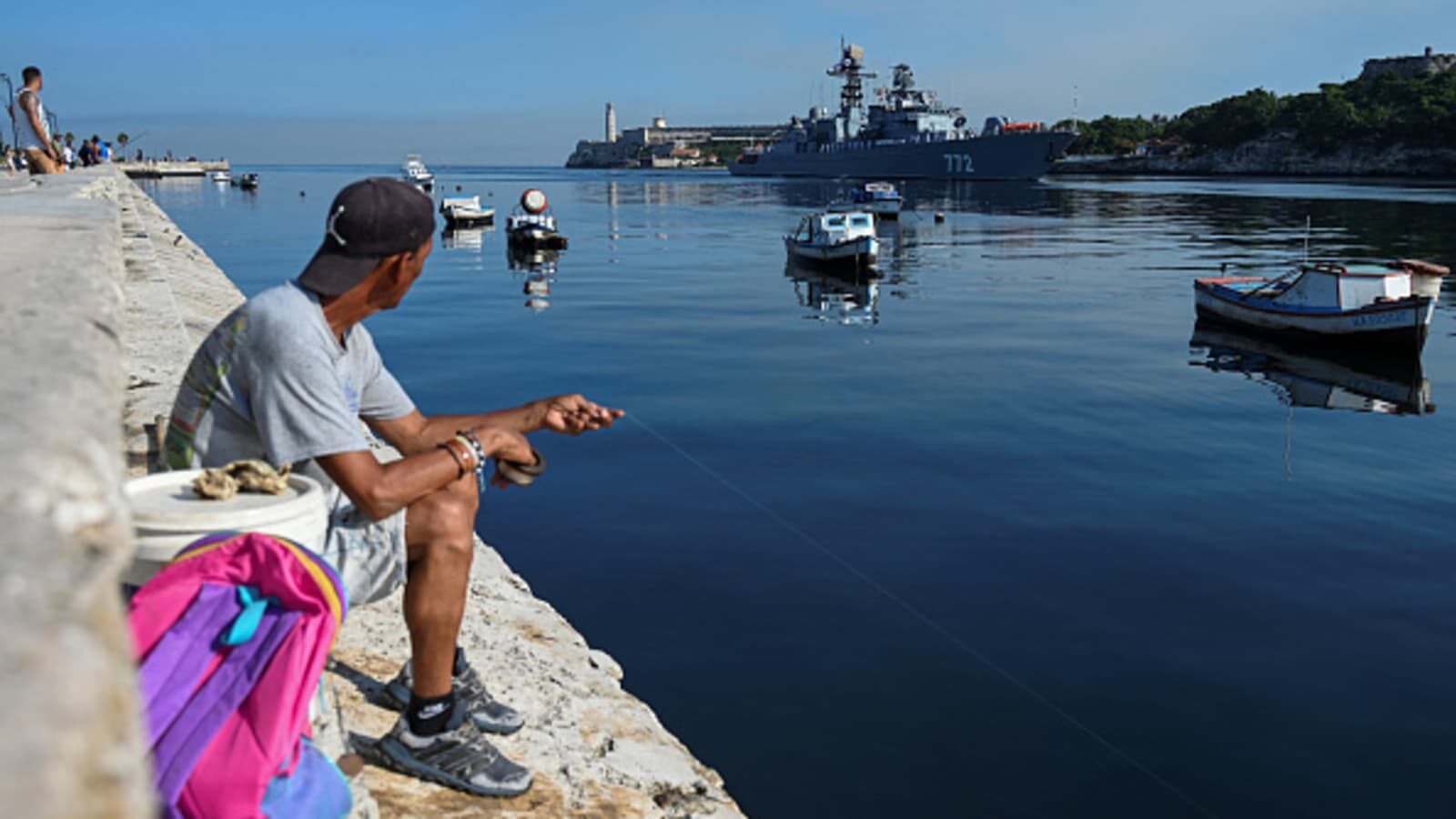
Yamil Lage | Afp | Getty Images
Targeted Sanctions Hit Hard
Under the updated license, Cuba, Iran, and North Korea are now barred from any transactions involving the sale, delivery, or offloading of Russian-origin crude oil and petroleum products. This effectively cuts off a critical potential lifeline for Havana at a time when fuel shortages are already crippling daily life.
Two vessels have already been caught in the geopolitical crossfire:
The Anatoly Kolodkin, carrying roughly 730,000 barrels of crude oil, is reportedly still heading toward Cuba’s port of Matanzas despite the restrictions.
The Sea Horse, transporting about 200,000 barrels of diesel, has diverted to Trinidad and Tobago, signaling immediate disruption to supply routes.
Cuba is now facing full-blown turmoil, as a collapsing utility grid, nationwide blackouts, and severe food and fuel shortages push the country to the brink. Protests have begun to simmer across parts of the island, with frustrated citizens demanding relief amid worsening living conditions.
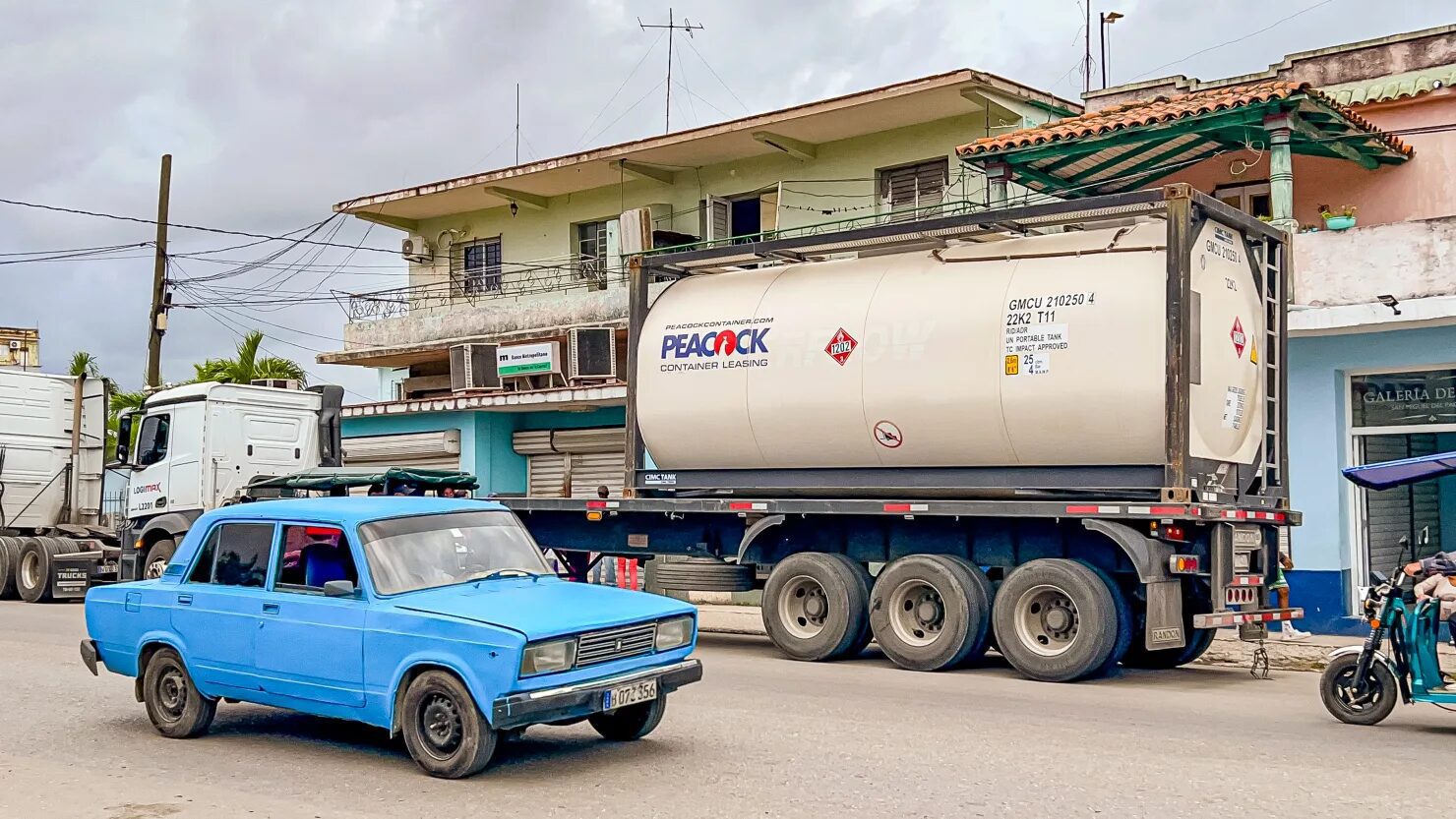
Adalberto Roque | Afp | Getty Images
The crisis has been intensified by ongoing fuel disruptions, leaving large sections of the country without electricity for extended periods. Hospitals, transport systems, and basic services are under immense strain, while shortages of essential goods continue to deepen the humanitarian pressure.
But what has truly ignited global outrage are recent remarks by U.S. President Donald Trump, who заявил it would be an “honour to take Cuba” and suggested he could “do whatever he wants with it.” The statement, made amid Cuba’s visible collapse, has been widely condemned as provocative and dangerous.
Critics argue that such rhetoric, combined with tightening U.S. restrictions and fuel blockades, is adding fuel to an already explosive situation—raising fears of further destabilisation in the Caribbean.
Rising Tensions: U.S. vs Russia
Russia has strongly condemned what it describes as a “fuel blockade”, pledging financial assistance and continued support to Cuba. Meanwhile, U.S. President Donald Trump has signaled a hardline approach, further escalating tensions between Washington and Havana.
Regional Implications
For the Caribbean, this development raises urgent questions. Cuba has long been a key regional partner—particularly in healthcare and technical cooperation. A deepening crisis on the island could have spillover effects across CARICOM, from migration pressures to economic instability.
As global power struggles intensify, the Caribbean once again finds itself caught in the middle of geopolitical chess games, with small nations facing the biggest consequences.