
Jamaica Ends Decades-Long Medical Cooperation Programme With Cuba Amid Diplomatic Pressure
Jamaica Live News Desk– | Mar 5, 2026
Kingston, Jamaica — Jamaica has officially discontinued its long-standing medical cooperation programme with Cuba, bringing to an end a partnership that has helped support the island’s public health system for more than five decades. The decision, announced Thursday by the Ministry of Foreign Affairs and Foreign Trade, comes after both governments were unable to agree on the terms of a new technical cooperation arrangement following the expiration of the previous agreement in February 2023.
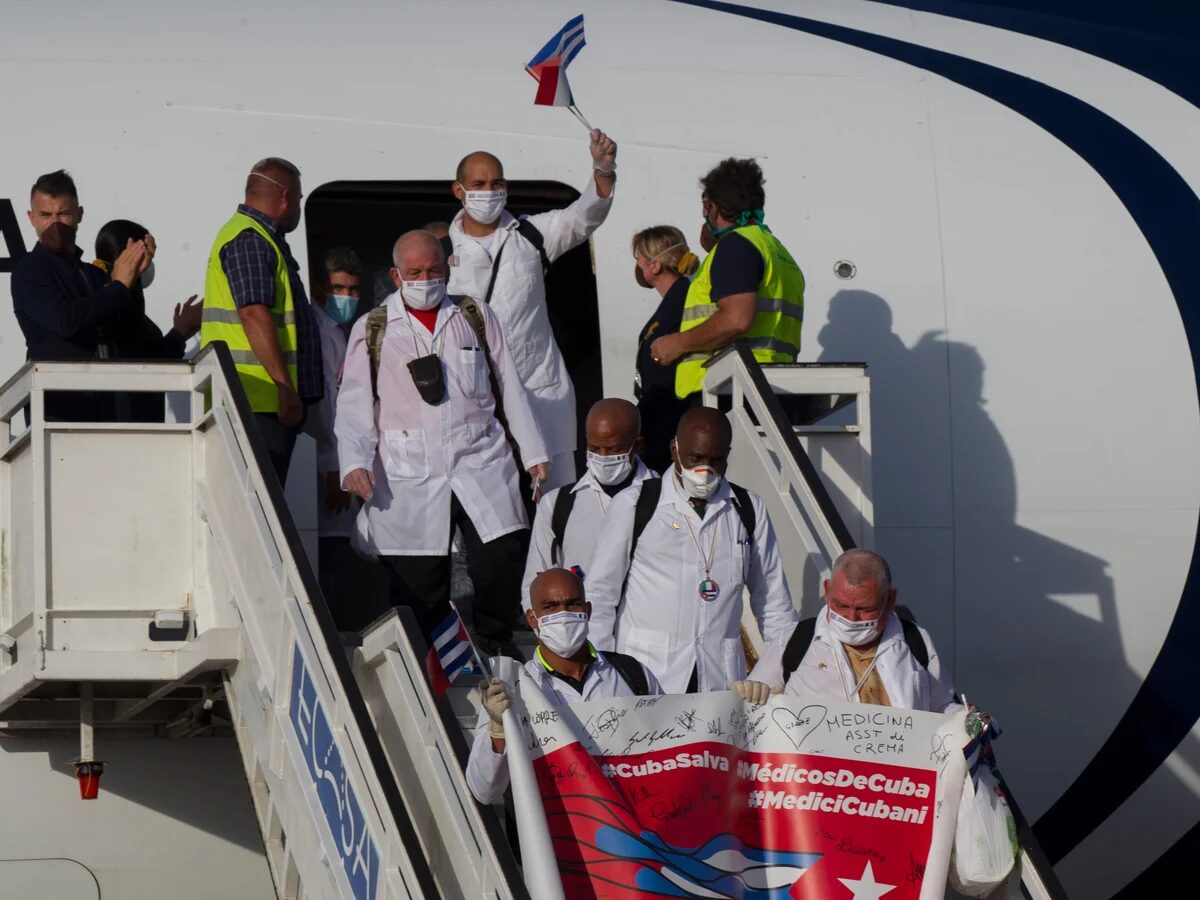
The programme has historically allowed Cuban doctors, nurses, and other medical professionals to serve in Jamaica’s public health sector, filling critical gaps in staffing and providing specialized services to thousands of Jamaicans. Cuban medical teams have been particularly notable in areas such as eye care and general community health services, earning widespread appreciation across the island and throughout the wider Caribbean.
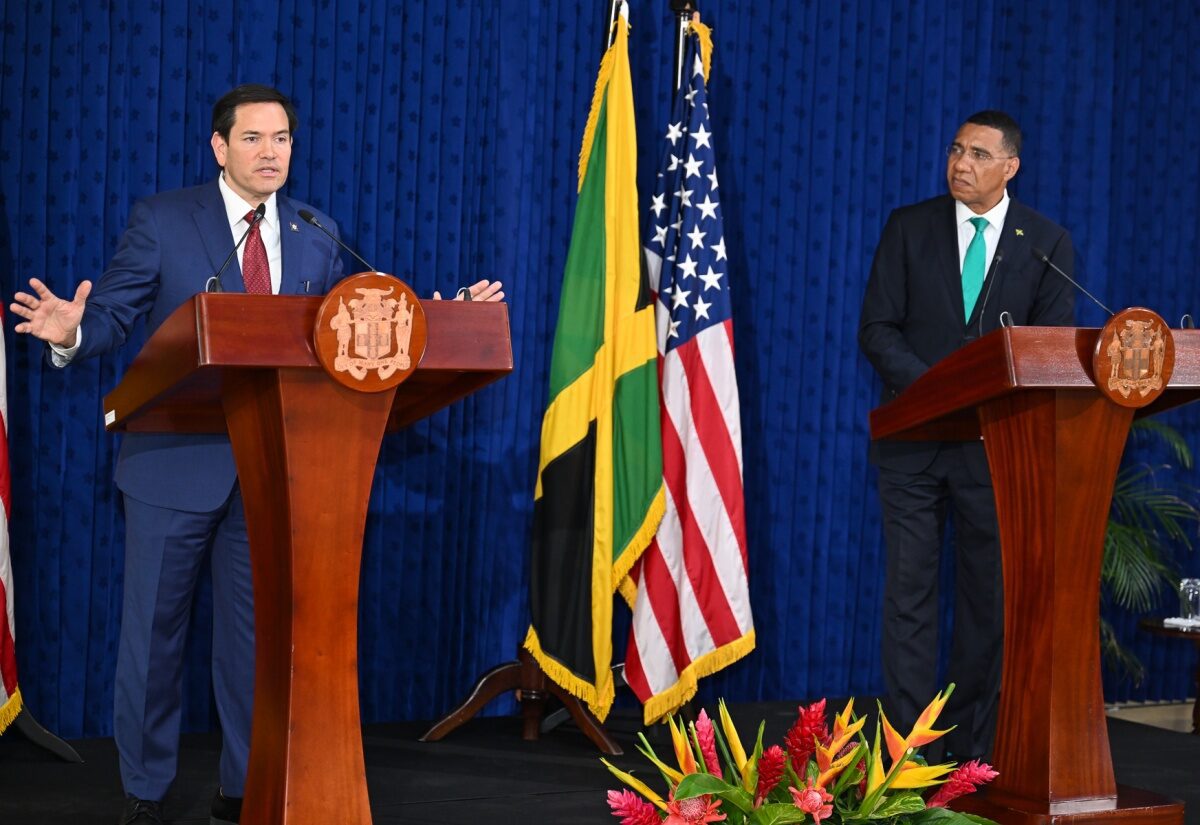
In a statement, the ministry, led by Foreign Affairs Minister Kamina Johnson Smith, said the government has decided to discontinue the government-to-government arrangement regarding the deployment of Cuban medical personnel. The move follows prolonged discussions about renewing the programme and comes amid growing political pressure from the United States on Caribbean nations that participate in Cuba’s overseas medical missions.
While the formal bilateral programme will end, the Government of Jamaica says it intends to ensure continuity of services by allowing Cuban medical professionals currently working in the country to remain through a new arrangement. Under this transition, the Ministry of Health and Wellness will engage the healthcare workers individually under local contracts, rather than through a government-to-government agreement.
Officials say the new arrangement will adhere to Jamaican labour laws and will allow the professionals to continue providing care for the remainder of their scheduled tenure in Jamaica. According to the ministry, the decision was also made with the aim of ensuring “personal certainty and well-being” for the Cuban medical staff already serving in local facilities.
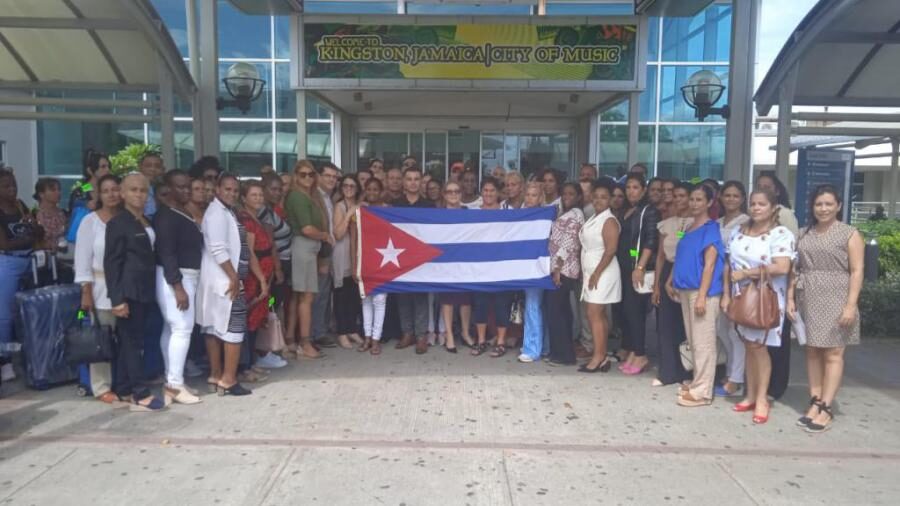
Cuban medical professionals have long been embedded in Jamaica’s healthcare system, particularly in rural and underserved communities where staffing shortages have been persistent. Their presence has been credited with strengthening primary healthcare delivery, expanding access to specialized treatment, and supporting major public health initiatives across the island.
The medical cooperation programme with Cuba dates back more than 50 years and formed part of broader diplomatic and technical partnerships between Jamaica and the Spanish-speaking Caribbean nation. Over the decades, similar Cuban medical missions have operated throughout the Caribbean, Africa, and Latin America, often providing healthcare support to countries facing shortages of trained medical personnel.
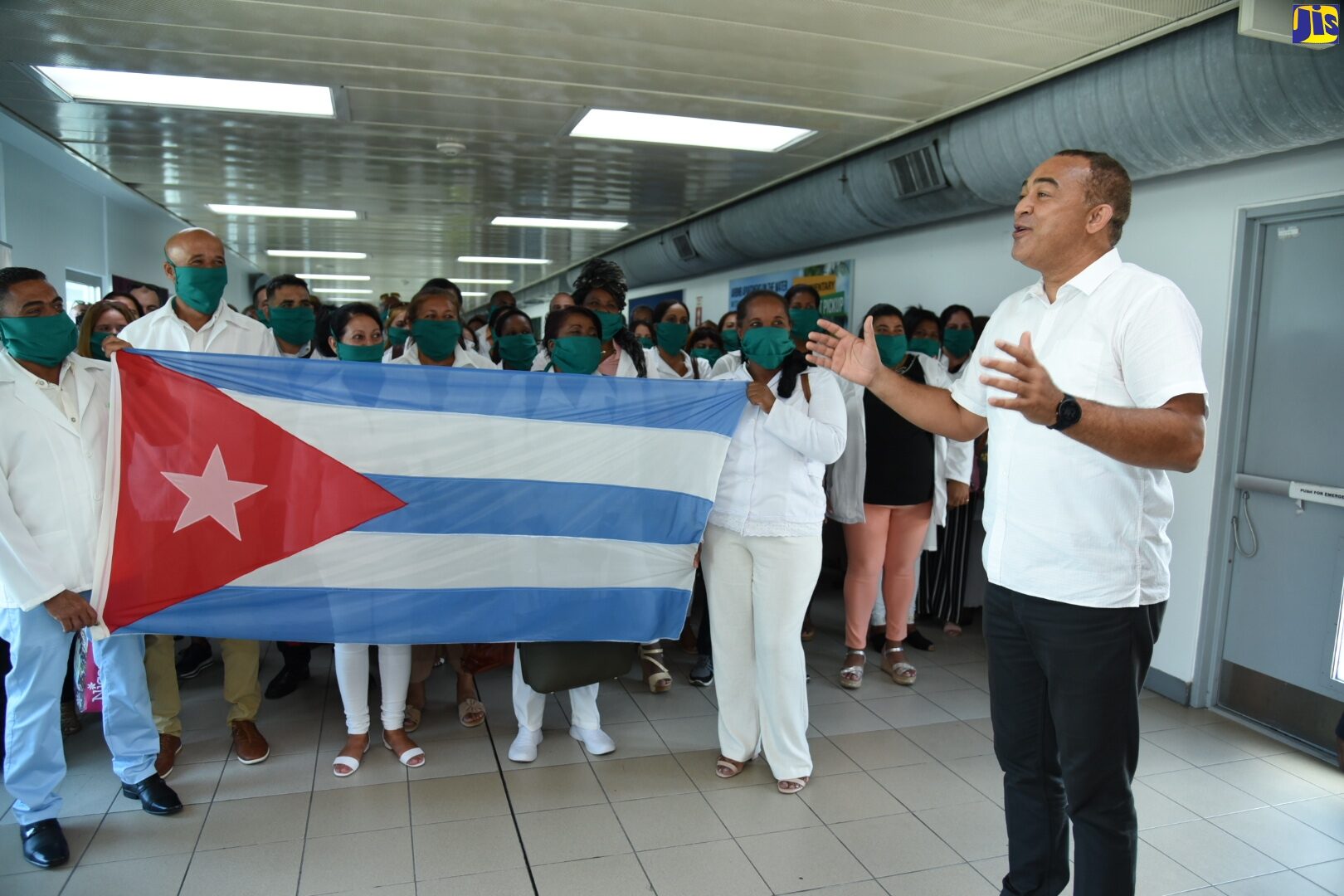
Jamaica is not the only Caribbean nation facing changes to its medical cooperation with Cuba. Several regional governments have come under increasing diplomatic pressure from the United States regarding the programme, which Washington has criticized in the past as a form of labour exploitation by the Cuban government. Caribbean leaders, however, have historically defended the programme as essential to strengthening healthcare systems in small island states.
Despite the end of the formal agreement, Jamaican officials say the transition to individual contracts is designed to ensure that the services provided by Cuban doctors and nurses continue without disruption.
For many Jamaicans, the end of the government-to-government arrangement marks the closing of a significant chapter in regional cooperation, one that has played a quiet but vital role in delivering healthcare to communities across the island for generations.