

Was Dr. Jason Arday Hounded to Death? Questions Over Racism, Right-Wing Attacks and a Relentless Media Campaign
JAMAICA LIVE – SPECIAL REPORT
The sudden death of Professor Jason Arday, Cambridge University’s youngest-ever Black professor, has left Britain confronting an uncomfortable and deeply troubling question: did legitimate scrutiny of an academic accused of wrongdoing develop into a racially charged, right-wing media campaign that placed unbearable pressure on one of Britain’s most prominent Black academics?
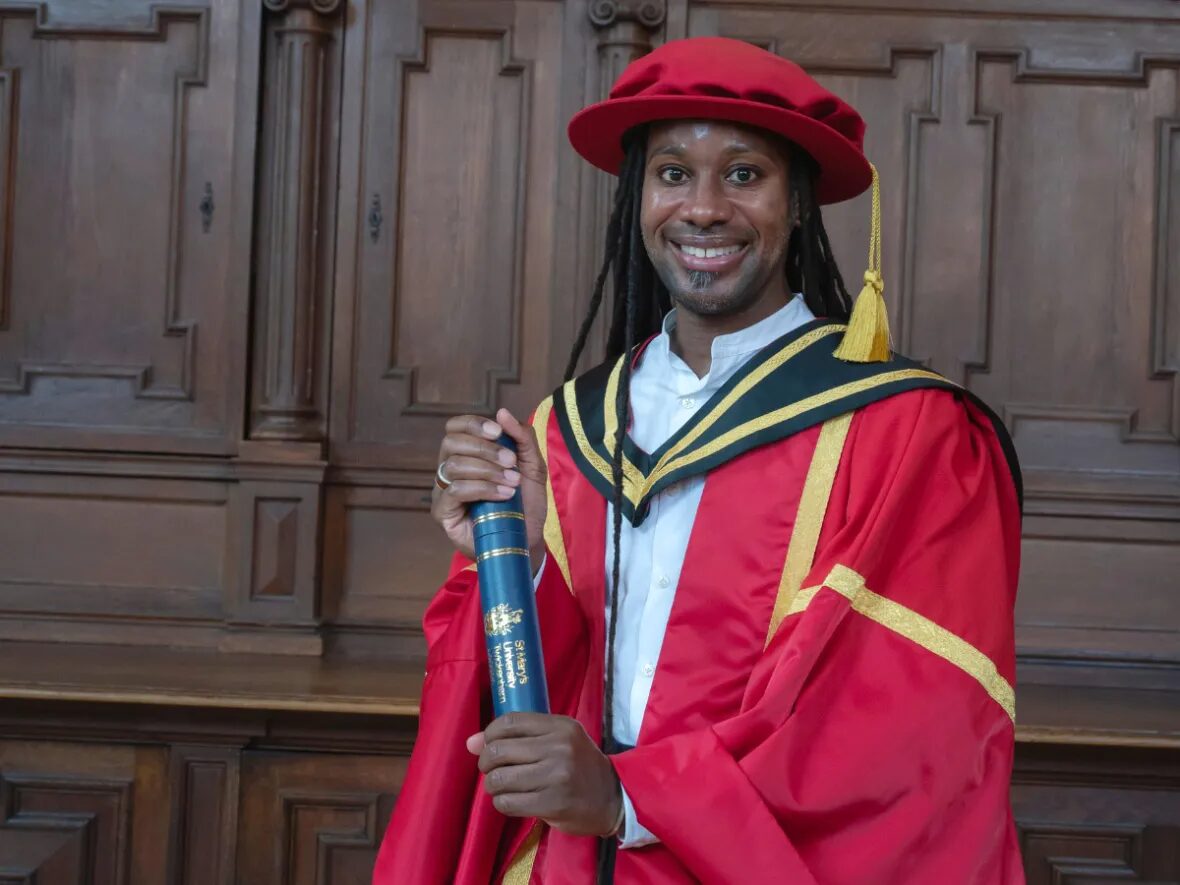
Arday, 41, was found dead at a property in Battersea, south London, on Friday, August 14, just nine days after resigning from Cambridge amid weeks of intense controversy over allegations of plagiarism and questions surrounding aspects of his academic and personal history.
Police have said his death is being treated as unexpected but not suspicious. At the time of publication, no official cause of death has been established. Therefore, there is no evidence at this stage to state as fact that racism, harassment or media pressure caused Arday’s death.
But what happened to Arday before his death—and what his family is now saying—raises serious questions about race, media power and Britain’s increasingly hostile political battle over diversity.
From celebrated professor to national target
Arday’s appointment as Professor of Sociology of Education at Cambridge in 2023 was widely celebrated. At 37, he became the youngest Black person ever appointed to a professorship at the university.
His personal story was extraordinary. Arday, who was diagnosed with autism and global developmental delay as a child, had spoken publicly about being unable to speak until around age 11 and learning to read and write much later than most children. He nevertheless progressed through higher education, obtained a doctorate and eventually reached one of the world’s most prestigious universities.
But that inspirational public image would eventually come under extraordinary scrutiny.
Questions were initially raised about alleged plagiarism in Arday’s doctoral thesis. Liverpool John Moores University, which awarded his PhD, investigated complaints and did not uphold the plagiarism allegations. Cambridge initially defended Arday, describing him as the victim of a “vile campaign” aimed at discrediting him.
That, however, was far from the end of the matter.
Enter Nathan Cofnas and “race realism”
The controversy surrounding Arday was propelled into the national spotlight in July 2026 after Nathan Cofnas, an academic formerly affiliated with Cambridge who describes himself as a “race realist,” published allegations concerning similarities between Arday’s doctoral thesis and earlier academic work.
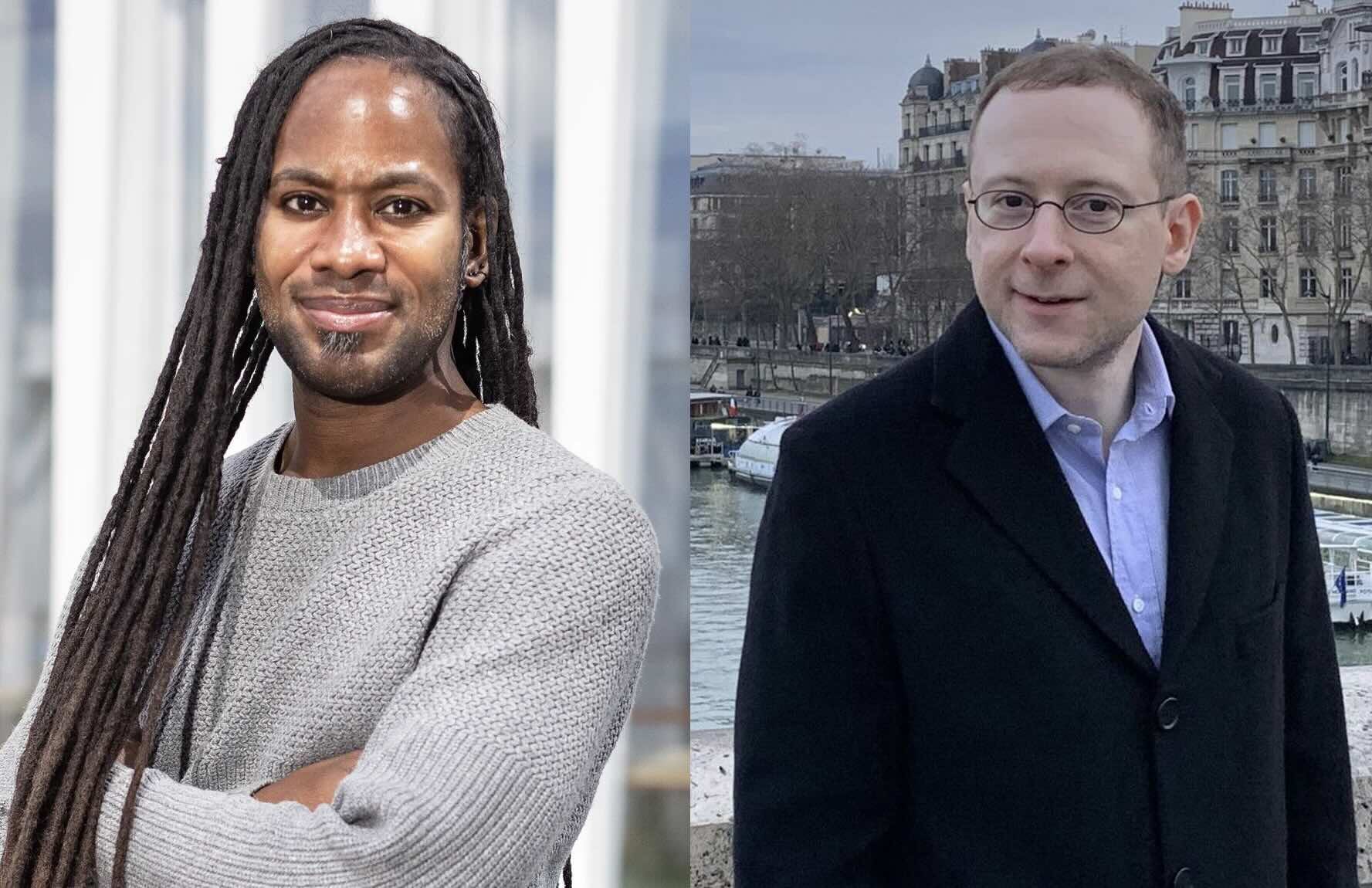
The allegations subsequently moved from Cofnas’s online writing into Britain’s national press.
Cofnas’s involvement is particularly significant because of his previous work and controversial arguments concerning race and intelligence.
In his 2020 academic paper, Research on Group Differences in Intelligence: A Defense of Free Inquiry, Cofnas defended researchers’ freedom to investigate hereditarian explanations for measured differences in intelligence between racial or population groups.
His arguments about race have extended beyond abstract questions about academic freedom. Cofnas has previously argued that under what he considers a genuinely meritocratic system, Black representation in elite academic positions would dramatically decline, including arguing that the number of Black professors at Harvard would approach zero.
It was therefore not simply an ordinary critic of academic plagiarism who became instrumental in bringing Arday’s case to national attention. It was someone whose previous work on race, intelligence and meritocracy had already generated intense controversy.
That does not, by itself, invalidate any evidence Cofnas produced against Arday. Allegations of plagiarism must stand or fall on the evidence.
But his ideological background provides important context for understanding why some Black academics became deeply suspicious of what followed.
The investigation became an examination of his entire life
The scrutiny soon moved far beyond one fundamental question: Did Jason Arday plagiarise his academic work?
His qualifications were examined.
His previous university appointments were questioned.
His publications were scrutinised.
His charity fundraising was investigated.
Claims surrounding marathon running and sporting achievements were challenged.
His accounts of experiencing racist intimidation came under examination.
Eventually, journalists were even investigating elements of his childhood and personal history.
The Guardian reported that more than 100 passages in Arday’s thesis had been alleged to resemble an earlier thesis, while also examining a range of other claims made by Arday. Some of his accounts of racist intimidation could not be independently corroborated, and questions surrounding his charity and athletic claims also became part of the widening controversy.
This is where the Arday affair stopped being merely an academic plagiarism story and became something much larger.
Black academics warned of a right-wing campaign
Prominent Black academics began arguing that whatever legitimate questions Arday had to answer, his individual case was being weaponised to attack Black academics and diversity initiatives more broadly.
Professor Kehinde Andrews characterised the reaction as part of a “coordinated smear campaign from the right.”
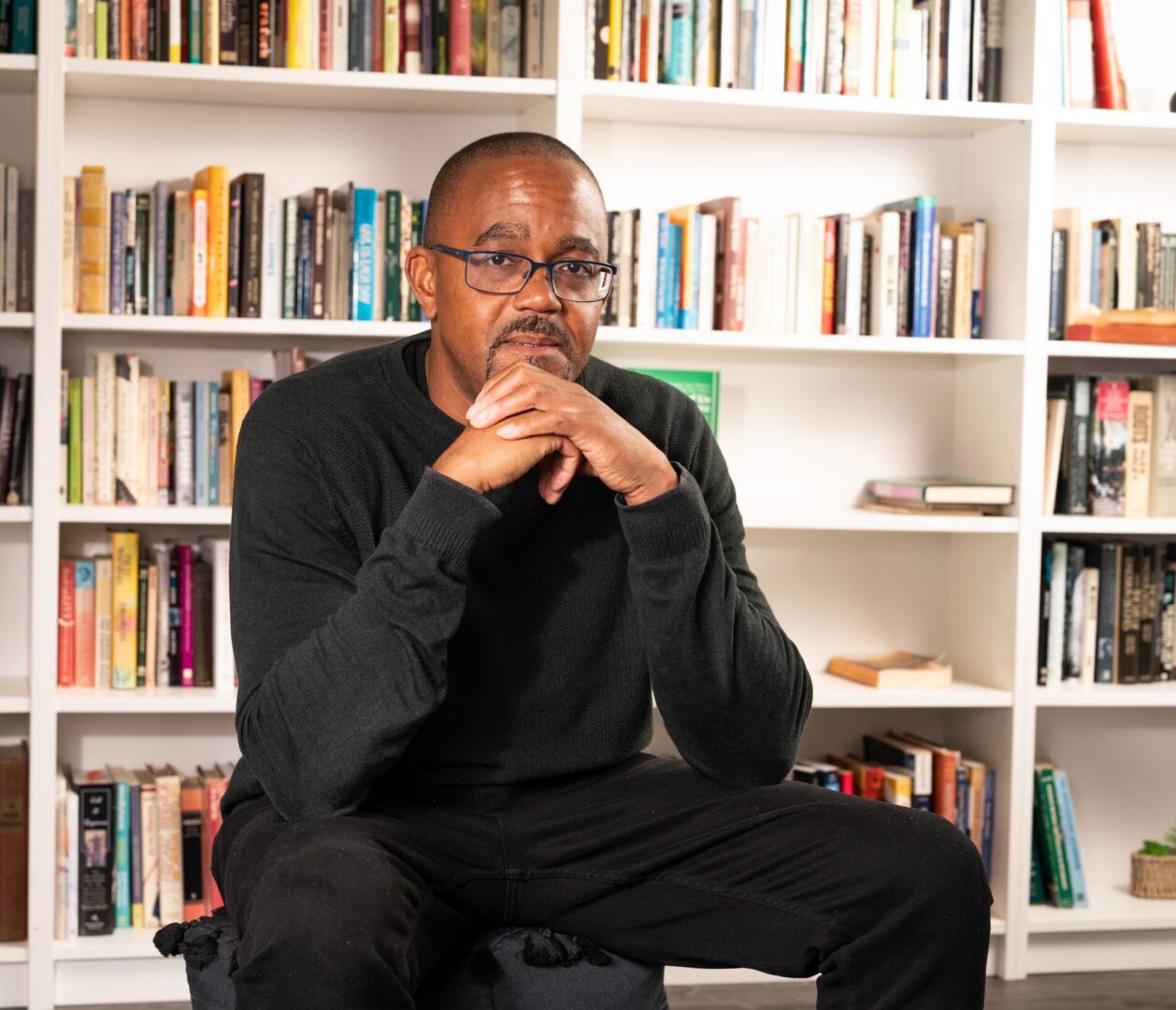
Other Black academics described the wider racial politics surrounding the controversy as “old racist wine in a new bottle.”
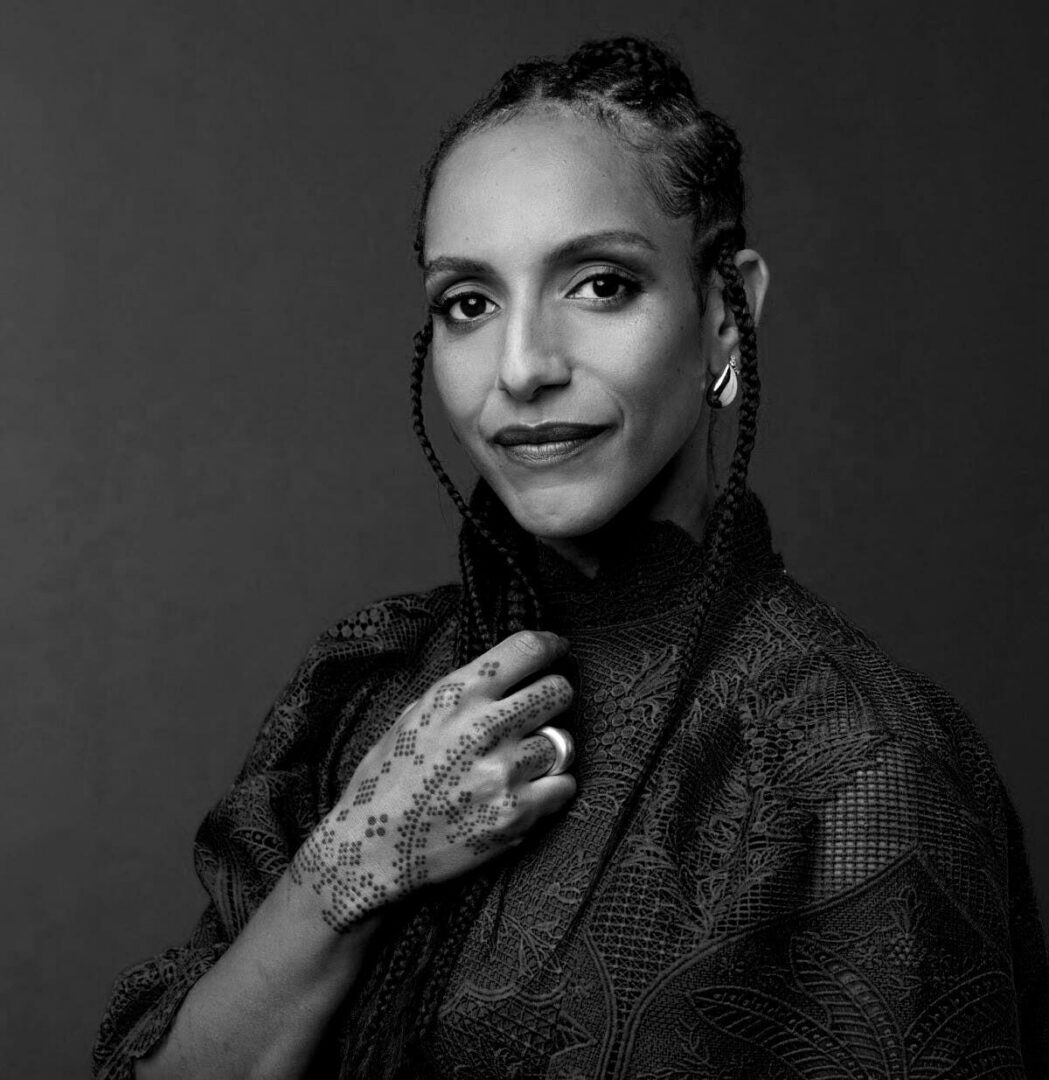
Writer and broadcaster Afua Hirsch also argued that the response to Arday had become disproportionate and racially charged while maintaining that legitimate concerns about his conduct still deserved answers. She warned that Arday was increasingly being used as a weapon against racial equality itself.
The political significance was obvious.
Arday was not simply another university professor accused of plagiarism. He had become one of the most recognisable symbols of Black advancement within Britain’s elite academic establishment.
For opponents of diversity, equity and inclusion, his downfall offered something considerably more powerful: an opportunity to argue that Arday represented what happens when universities supposedly prioritise diversity over merit.
Indeed, commentary surrounding the controversy increasingly moved from “What did Jason Arday do?” to “What does Jason Arday prove about DEI?”
Was the scrutiny disproportionate?
That question becomes particularly important when Arday’s treatment is compared with previous academic scandals.
Writing in The Guardian, Jason Okundaye pointed to the 2023 case of Cambridge history professor William O’Reilly, who faced allegations involving plagiarism of student essays. A tribunal ultimately found that plagiarism had occurred through negligence rather than deliberate conduct.
According to Okundaye, that controversy generated only limited national press attention.
Arday’s case, by contrast, became a major national culture-war story.
Okundaye argued that the difference was partly because Arday’s story was perfectly suited to a political narrative already popular on the right: that universities had supposedly abandoned academic standards in favour of “woke” diversity policies.
That comparison does not establish that the allegations against Arday were racially motivated. But it raises a legitimate question about why one academic controversy became an investigation into virtually every aspect of one man’s existence.
Cambridge itself warned about racism
Even inside Cambridge, academics became concerned about what the controversy had unleashed.
Professor Priyamvada Gopal argued that Cambridge itself bore responsibility for the “grotesque racism” surrounding the affair and warned of the harm being inflicted not only on Arday but on Black academics more broadly.
She also criticised Cambridge for placing a relatively young Black academic in such a highly visible position and potentially using his appointment to promote the university’s diversity credentials.
Cambridge academics subsequently demanded an independent investigation into how Arday had been appointed. The university agreed to conduct an independent inquiry into his appointment and tenure.
Reports also described Black staff at Cambridge as facing threats and toxic commentary as the scandal intensified.
That point is crucial.
Even if serious mistakes were made in Arday’s appointment—and even if allegations against him ultimately proved justified—the behaviour of an institution cannot reasonably be used to discredit Black academics collectively.
Arday resigns under “relentless” pressure
By August 5, Arday had had enough.
He resigned from Cambridge after the university announced further investigations into information concerning his qualifications and academic record.
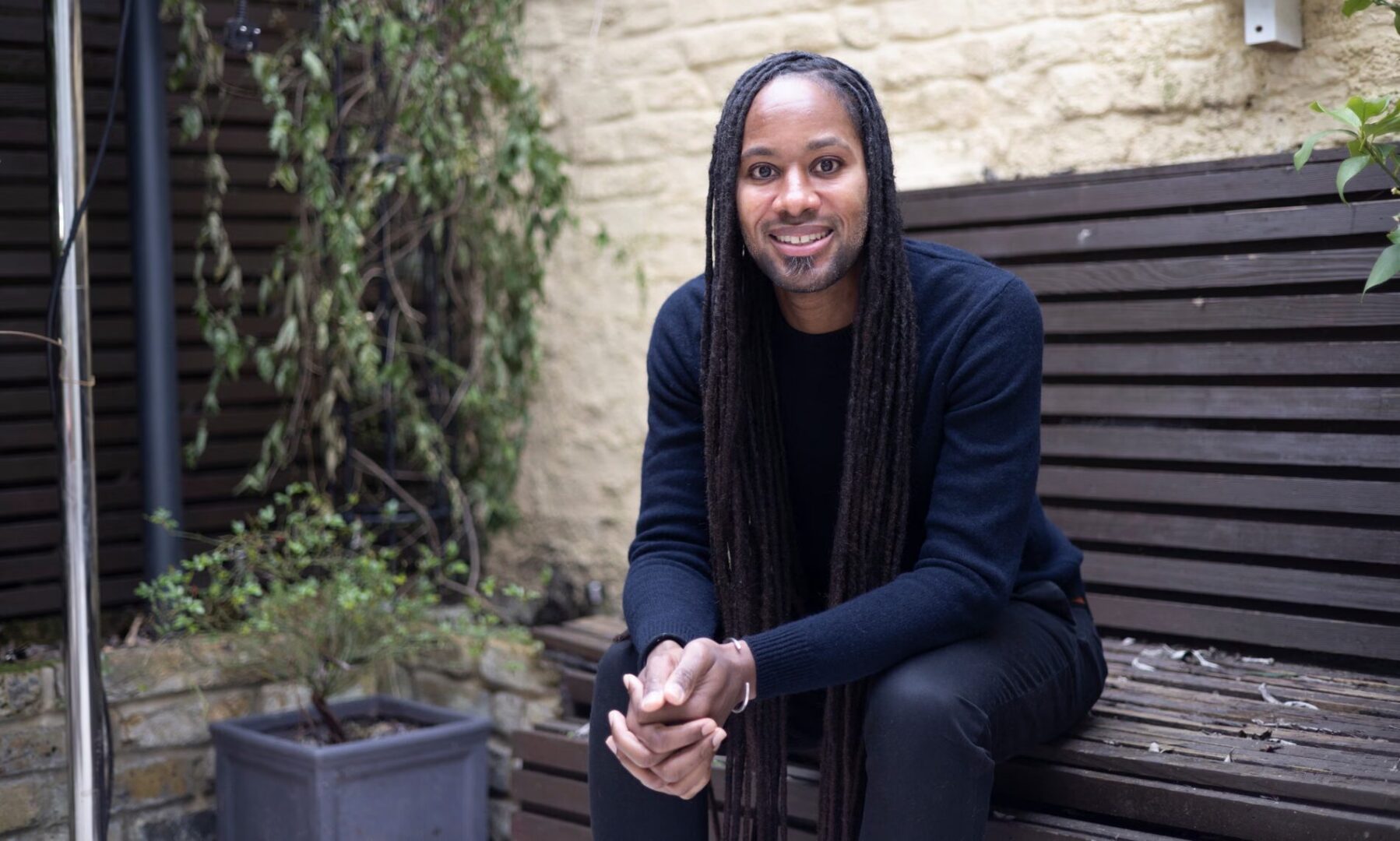
Arday acknowledged mistakes but disputed the portrayal of himself as fundamentally fraudulent. He described the accusations, speculation and public commentary surrounding him as relentless and said the experience had taken a profound toll.
Cambridge continued investigating the circumstances surrounding his appointment even after his departure.
Nine days after his resignation, Jason Arday was dead.
His family’s devastating accusation
Following his death, Arday’s family issued a statement that dramatically changes the context in which his final months will now be examined.
According to the family, Arday had been subjected to a “campaign of sustained abuse” for more than three years following his appointment at Cambridge.
They alleged that people were determined to undermine him and said the campaign of misinformation had become overwhelming.
Perhaps most significantly, the grieving family directly appealed to the press to leave them alone and end what they described as a prolonged campaign of harassment against Arday and his relatives.
Those are the allegations of his family. They should not automatically be treated as independent proof that journalists or political activists caused Arday’s death.
But neither should they simply be ignored.
Accountability or destruction?
Jason Arday was a professor at one of the world’s leading universities. If he plagiarised academic work, exaggerated credentials or made significant false claims, journalists and universities were entitled to investigate those matters.
Being Black cannot place a public figure beyond legitimate scrutiny.
But accountability also cannot become an excuse for racial humiliation.
And this is where Britain now faces an uncomfortable reckoning.
Why did an allegation concerning academic plagiarism expand into a forensic public examination of Arday’s childhood, disability, charity work, sporting achievements, career and personal experiences?
Why was one Black professor’s alleged misconduct so quickly transformed into an indictment of DEI and Black advancement?
And what role did individuals already ideologically committed to arguments about race, intelligence and the supposed failures of diversity play in turning Jason Arday into a national symbol?
Those questions deserve answers just as much as the questions surrounding Arday’s academic record.
Did racism and a right-wing media campaign contribute to Jason Arday’s death?
At this stage, nobody can responsibly answer that question as a matter of fact.
No official cause of death has been announced, and Metropolitan Police have said the death is unexpected but not suspicious.
It would therefore be irresponsible to declare that Jason Arday was “killed by racism.”
But it would be equally irresponsible to pretend that race played no role in the extraordinary political environment surrounding his downfall.
His family says he endured years of sustained abuse. Black academics warned of a right-wing smear campaign before his death. Cambridge academics warned that the controversy had unleashed grotesque racism. Commentators openly transformed his case into an argument against DEI. And the man whose allegations helped propel the affair into Britain’s national press had previously become controversial for his writings about race, intelligence and Black representation in elite academia.
Jason Arday may ultimately be remembered as a deeply complicated figure—a groundbreaking Black professor whose academic record deserved scrutiny, but whose downfall became entangled in something far larger than one dissertation.
The question Britain must now confront is not whether Jason Arday should have been held accountable. It is whether accountability became a spectacle, whether that spectacle became racialised, and whether a human being was eventually lost beneath Britain’s relentless culture war over race, merit and Black achievement.
Jamaica Live will continue to follow developments surrounding Professor Jason Arday’s death and any findings concerning the circumstances and official cause.