

Opposition Silence Questioned Following Brutal Sligoville Shootout; Golding Yet to Issue Personal Statement on Slain Corporal
Jamaica Live News Desk– | Oct 17, 2026
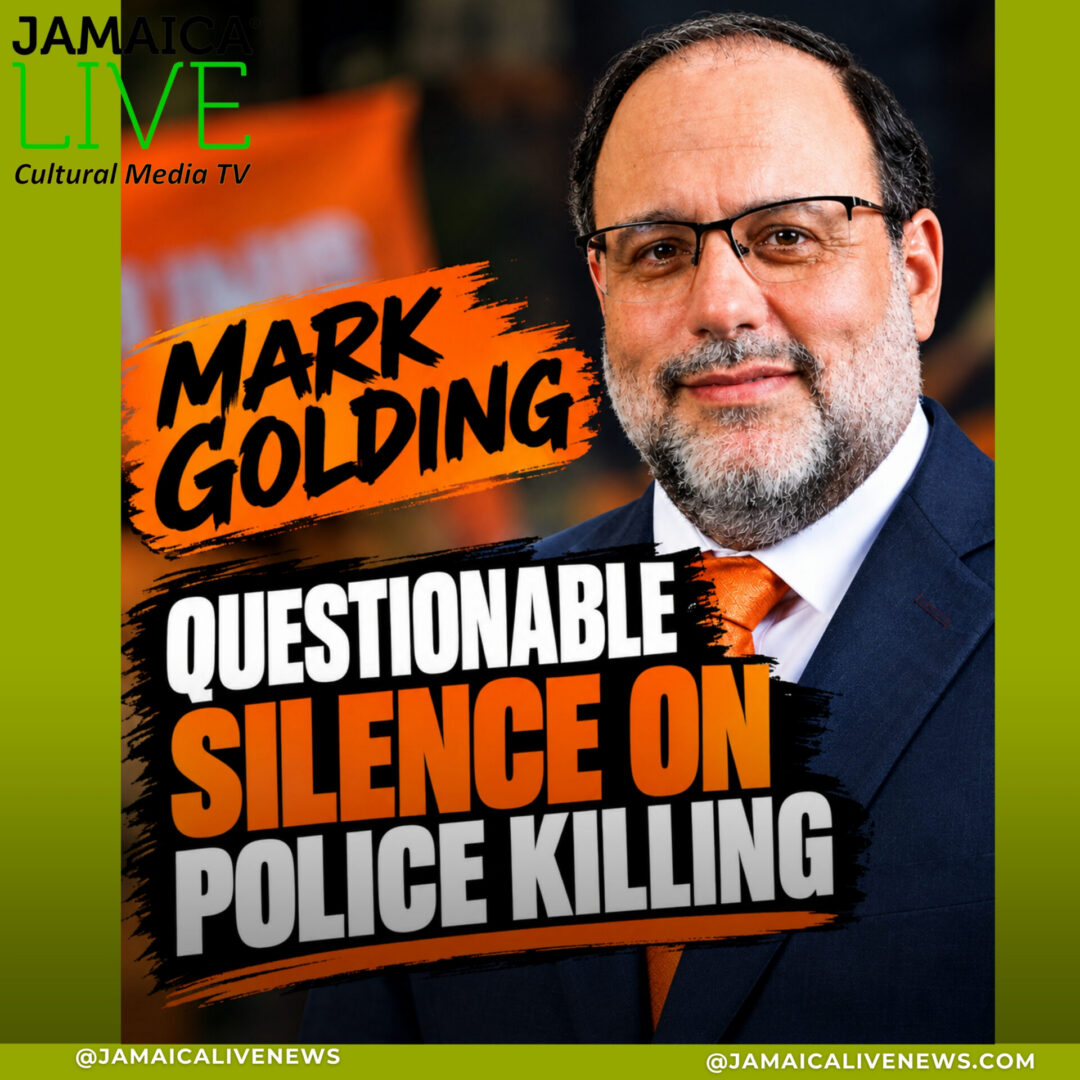
KINGSTON, JAMAICA — As Jamaica mourns the brutal killing of Police Corporal Trevoy Shaw during a deadly confrontation with armed gunmen in Five Miles, Sligoville, St Catherine, a significant question hangs over the Office of the Opposition: Why has Opposition Leader Mark Golding not personally and publicly addressed the death of a police officer killed in the line of duty?
The tragedy, which unfolded on Friday morning, October 16, left Corporal Shaw dead, fellow officers wounded, three alleged gunmen reportedly killed and a ten-year-old girl hospitalised with gunshot injuries. Police also reported rescuing a woman and children, including a six-month-old baby, during the operation.
Among the most disturbing allegations emerging from the confrontation was the reported use of a child as a human shield by armed men who allegedly pretended to surrender before opening fire on approaching officers.
Yet, amid the gravity of the incident, Jamaica Live has not identified a separate personal public statement from Golding condemning the killing of Corporal Shaw or directly addressing the attack on members of the security forces.
While Opposition senators have expressed condolences, their parliamentary response does not erase the question surrounding the Opposition Leader’s own public position on an incident of such national significance.
A police corporal killed in the line of duty
According to the Jamaica Constabulary Force (JCF), the deadly confrontation began at approximately 5:15 a.m. when members of its Special Operations Branch approached a property in the Five Miles area of Sligoville as part of an operation targeting wanted individuals.
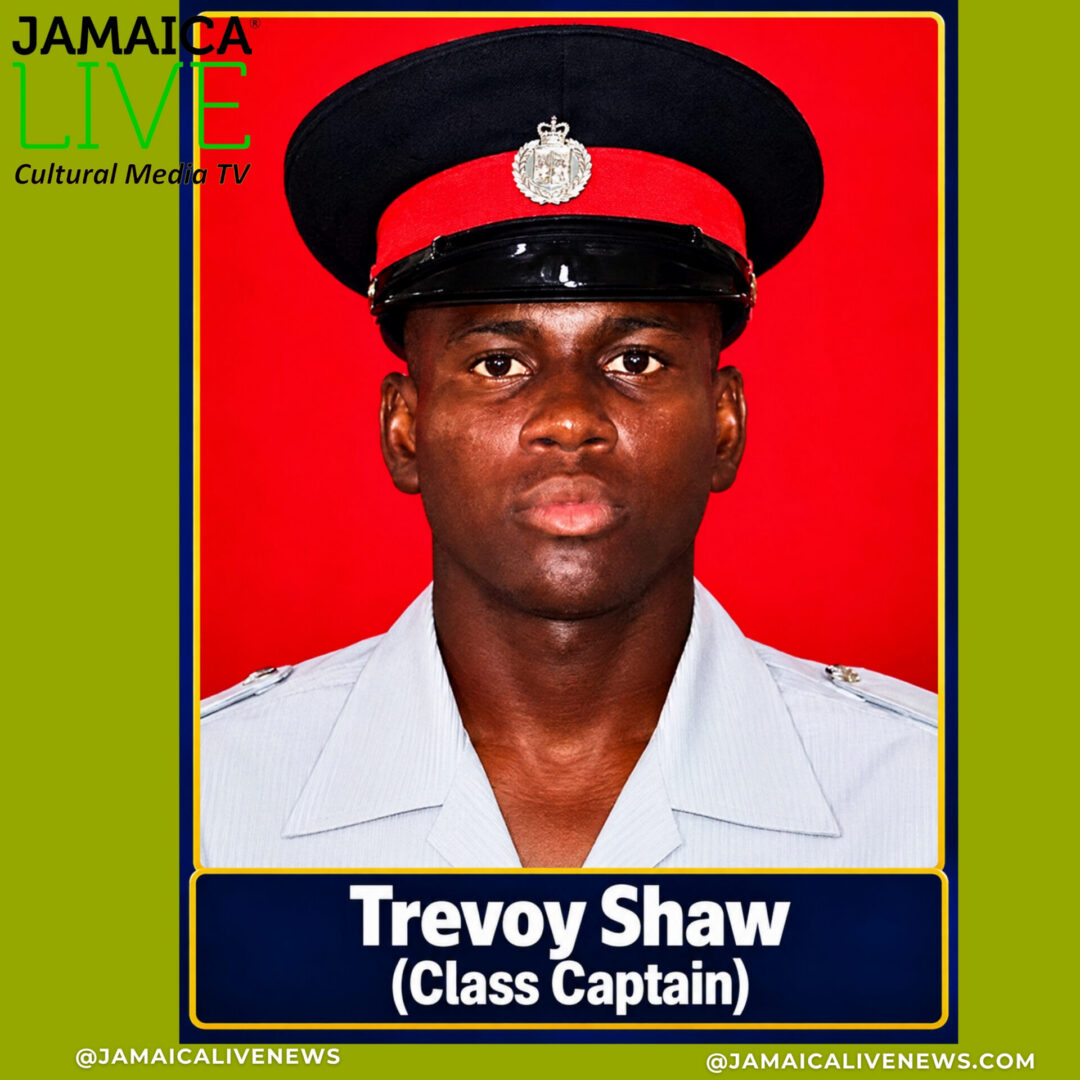
Officers reportedly encountered heavy gunfire, resulting in a prolonged confrontation that claimed Corporal Shaw’s life and left other security personnel injured.
The operation also placed civilians, including young children, in grave danger.
Speaking to journalists at the scene, JCF Senior Communication Strategist Senior Superintendent Dennis Brooks alleged that the armed men repeatedly indicated a willingness to surrender.
According to Brooks, the men presented a child at the doorway, apparently signalling that they were prepared to cooperate. However, when officers approached to retrieve the child, the men allegedly opened fire from behind the youngster.
The allegation, if established by investigators, would represent a particularly disturbing exploitation of a child’s presence during an armed confrontation.
The Independent Commission of Investigations (INDECOM) has launched an investigation into the incident, including the circumstances surrounding the fatal shootings and injuries sustained by civilians.
Opposition senators respond, but Golding’s personal statement remains absent
The People’s National Party has not been entirely silent on the tragedy.
During Friday’s sitting of the Senate, Leader of Opposition Business Senator Donna Scott-Mottley expressed condolences to the family, friends and colleagues of Corporal Shaw.
Scott-Mottley acknowledged the dangers confronting police officers and emphasised the importance of respecting the lives of those serving in law enforcement.
Opposition Senator Lambert Brown also addressed the incident, expressing sympathy while raising concerns about the protection, equipment and resources available to officers engaged in dangerous operations.
Their interventions formed part of a wider parliamentary response in which government and opposition senators expressed condolences over the killing.
However, a statement delivered by Opposition representatives in Parliament is not the same as a personal public address from the Leader of the Opposition.
Golding is not merely another member of the PNP. As party president and Opposition Leader, he occupies one of Jamaica’s most prominent positions of national leadership.
His public statements on crime, policing and government accountability frequently shape national debate.
The question, therefore, is straightforward: Why has a similarly visible personal response not been identified following the killing of Corporal Shaw?
The concern is not whether Opposition senators have spoken. They have.
The concern is whether Mark Golding himself has directly and publicly addressed the death of a police officer who lost his life confronting armed criminals.
A striking contrast with Golding’s response to the Kidd Lane killings
The question becomes particularly relevant when Golding’s response to the Sligoville tragedy is compared with his recent public intervention following the brutal triple murder in Kidd Lane, St Andrew.
Earlier this month, the killing of three people, including a young child, prompted Golding to visit the affected community alongside Member of Parliament Dr Angela Brown Burke.
During that visit, Golding spoke publicly about the continuing dangers facing Jamaicans despite improvements in national crime statistics.
He declared that Jamaica was “still not a safe place for many, many people” and called for practical measures to improve community security, including additional CCTV cameras, functioning streetlights and stronger police presence.
His response was direct, visible and publicly communicated.
The Opposition Leader did not limit his intervention to a parliamentary statement delivered by another party representative. He personally visited the affected community and addressed the wider national security implications of the killings.
That public intervention provides a clear basis for examining the difference in his visible response to the two incidents.
Both involved deadly criminal violence. Both raised serious concerns about public safety. Both resulted in families facing devastating losses.
In Sligoville, however, the victim was a serving police corporal killed while carrying out an operation against armed suspects.
Why has Golding’s personal public response to that killing not been similarly visible?
The question is particularly pertinent given his prominent role in debates concerning policing, crime prevention and the responsibilities of the Government in protecting Jamaican lives.
Golding’s vocal position on police accountability
Golding has also been a prominent voice in discussions surrounding police accountability, the use of body-worn cameras and independent investigations into fatal police operations.
The Opposition Leader has previously advocated greater transparency in law enforcement, including the deployment of body-worn cameras during police operations and proper oversight where individuals are killed by members of the security forces.
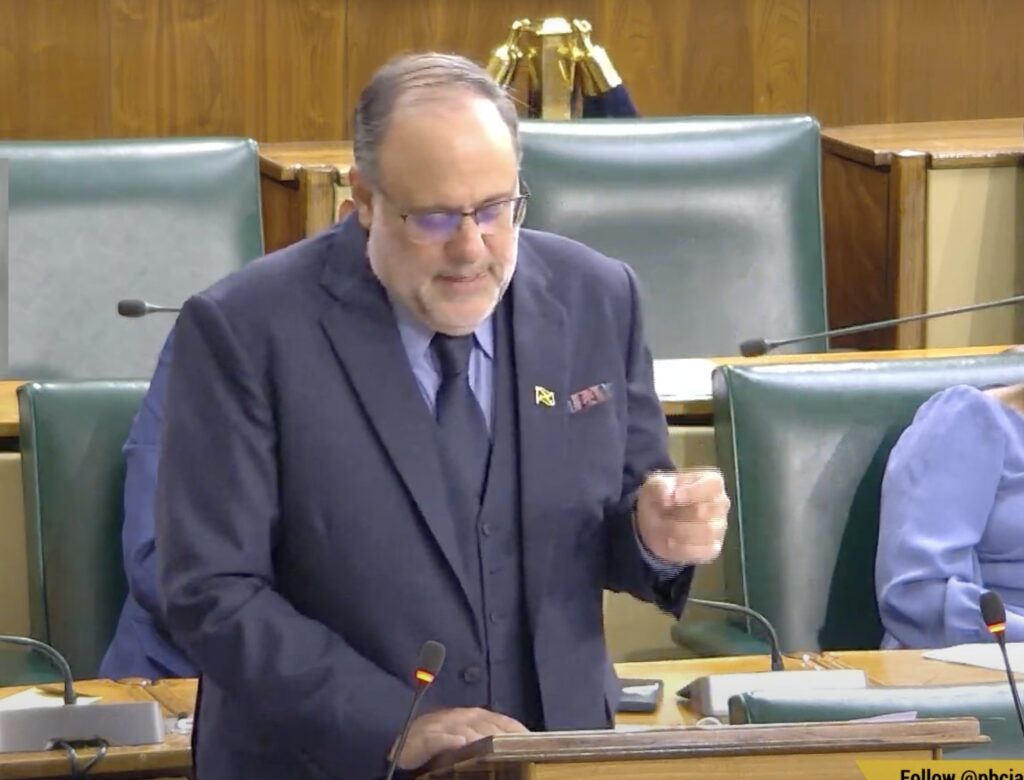
Such positions form part of his broader national security platform and his emphasis on accountability under the law. Golding’s official statement from June 15, 2026, titled “The Right to Life Is Not Negotiable”, which outlines his specific criticism regarding police accountability and fatal shootings. Opposition Leader Mark Golding, responding to Justice Minister Delroy Chuck’s Sectoral Debate contribution, acknowledged the Jamaica Constabulary Force’s gains against serious crime but insisted that progress “cannot come at the cost of our fundamental rights.”
Citing Jamaica’s constitutional right to life, Golding argued that even a fleeing suspect does not forfeit that protection, declaring, “No outdated common law position can override that.” He further insisted that the justice minister “must stand as a guardian of human rights, not provide cover for their erosion.” Yet, following the killing of Corporal Trevoy Shaw in Sligoville, questions remain about Golding’s apparent lack of a personal public response. Why such a forceful defence of suspects’ rights, but no equally visible statement on the killing of a police officer in the line of duty?
In his June 15 statement, Golding acknowledged the Jamaica Constabulary Force’s progress in reducing serious crime, but emphasized that this progress cannot compromise fundamental rights. Expressing deep concern over remarks by the Minister of Justice regarding deadly force against fleeing suspects, he stressed that Jamaica’s 2011 Charter of Rights establishes the right to life as supreme and non-forfeitable upon fleeing. Golding called on the Minister to retract or clarify his comments to reaffirm the sanctity of life. You can find the full verbatim text of the official statement in the referenced source.
Parliamentary Remarks (June 11, 2026) Additionally, speaking directly on the floor of Parliament following a surge of 11 fatal police shootings in a single 24-hour window, Golding stated: Golding expressed grave concern over the spike in fatal police shootings, reiterated support for body-worn cameras during special operations, and emphasized the urgent need for transparency and accountability regarding the use of deadly force.
The Sligoville confrontation presents another significant dimension of that national security debate. Here, a police officer was killed while participating in an operation against armed men, with police alleging that the suspects used a child to create the appearance of surrender before firing on officers.Three alleged gunmen were also reported killed, and questions remain about the circumstances in which a ten-year-old girl sustained gunshot wounds.
The incident therefore involves both the dangers faced by police officers and the importance of establishing the full circumstances of a deadly security operation.
Golding’s previous public emphasis on police accountability makes his response to an attack on officers particularly relevant to public examination.
Condemning the killing of a police officer and advocating accountability in police operations are not mutually exclusive positions.
Indeed, a national security platform that places considerable emphasis on oversight and transparency also invites examination of how political leaders respond when members of the security forces themselves become victims of deadly criminal violence.
Civil society responds as questions continue
Human rights organisation Jamaicans for Justice (JFJ) has publicly expressed condolences following Corporal Shaw’s death.
JFJ Executive Director Mickel Jackson extended sympathies to the officer’s family and colleagues while expressing concern about the injuries sustained by the ten-year-old girl.
The organisation also indicated that it was awaiting further information and the findings of INDECOM’s investigation.
Meanwhile, the Jamaica Police Federation has condemned the attack and mourned the loss of Corporal Shaw.
These responses have placed both the killing of the police officer and the wider circumstances of the confrontation firmly within the national discussion.
They also demonstrate that organisations traditionally associated with different aspects of criminal justice have publicly acknowledged the seriousness of the tragedy.
Against that background, the question concerning Golding’s personal public response remains relevant.
National leadership cannot be separated from national tragedy
The killing of Corporal Shaw is more than another statistic in Jamaica’s continuing struggle against violent crime.
It represents the death of a member of the security forces while carrying out his duties, the injury of fellow officers and the exposure of innocent civilians to a terrifying armed confrontation.
The incident also raises serious questions about the level of danger confronting officers assigned to operations against heavily armed criminal suspects.
Political leadership on national security extends beyond parliamentary debates, legislative proposals and criticism of government policies.
It also includes how national leaders publicly acknowledge tragedies affecting the people and institutions they seek to represent.
Golding has demonstrated his willingness to respond personally and publicly to incidents of violent crime, as illustrated by his recent visit to Kidd Lane.
That makes the question of his response to Corporal Shaw’s killing a legitimate matter for public examination.
The condolences expressed by Opposition senators deserve recognition. However, they do not establish whether Golding himself has issued a personal statement on the incident.
The question remains: Where is Mark Golding’s personal response?
As Jamaica continues to mourn Corporal Trevoy Shaw, the central question remains unanswered in the public statements identified by Jamaica Live.
Where is the personal public response from Opposition Leader Mark Golding to the killing of a police corporal in the line of duty?
The PNP’s representatives in the Senate have spoken. The police leadership has condemned the attack. The Police Federation has expressed its grief. Jamaicans for Justice has issued condolences and called attention to the continuing investigation.
Yet Jamaica Live has not identified a separate public statement from Golding himself specifically addressing the killing.
This is not a question about whether political leaders should abandon scrutiny of police operations or disregard the rights of civilians. It is a question about the visibility and consistency of national leadership when those entrusted with protecting the public are themselves killed by armed criminals.
Corporal Shaw’s death has left a family grieving, colleagues mourning and a nation confronting another painful reminder of the dangers associated with violent crime.
For an Opposition Leader who has spoken forcefully about Jamaica’s national security challenges, the absence of an identified personal response to this particular tragedy remains a question worthy of direct answers.
Jamaica Live will continue following developments, including any statement issued by Golding or the PNP leadership concerning Corporal Shaw’s death.