

Could Jamaica Be Next? Trinidad and Tobago’s AI Data Centre Deal Sparks Caribbean Debate
Jamaica Live News Desk– | July 20, 2026
KINGSTON, Jamaica — Trinidad and Tobago has become the first Caribbean nation to sign agreements paving the way for major U.S. companies to begin laying the groundwork for large-scale artificial intelligence (AI) data centres, a move that supporters say could transform the country’s economy but which has also sparked concerns about energy consumption, water usage and environmental impacts.
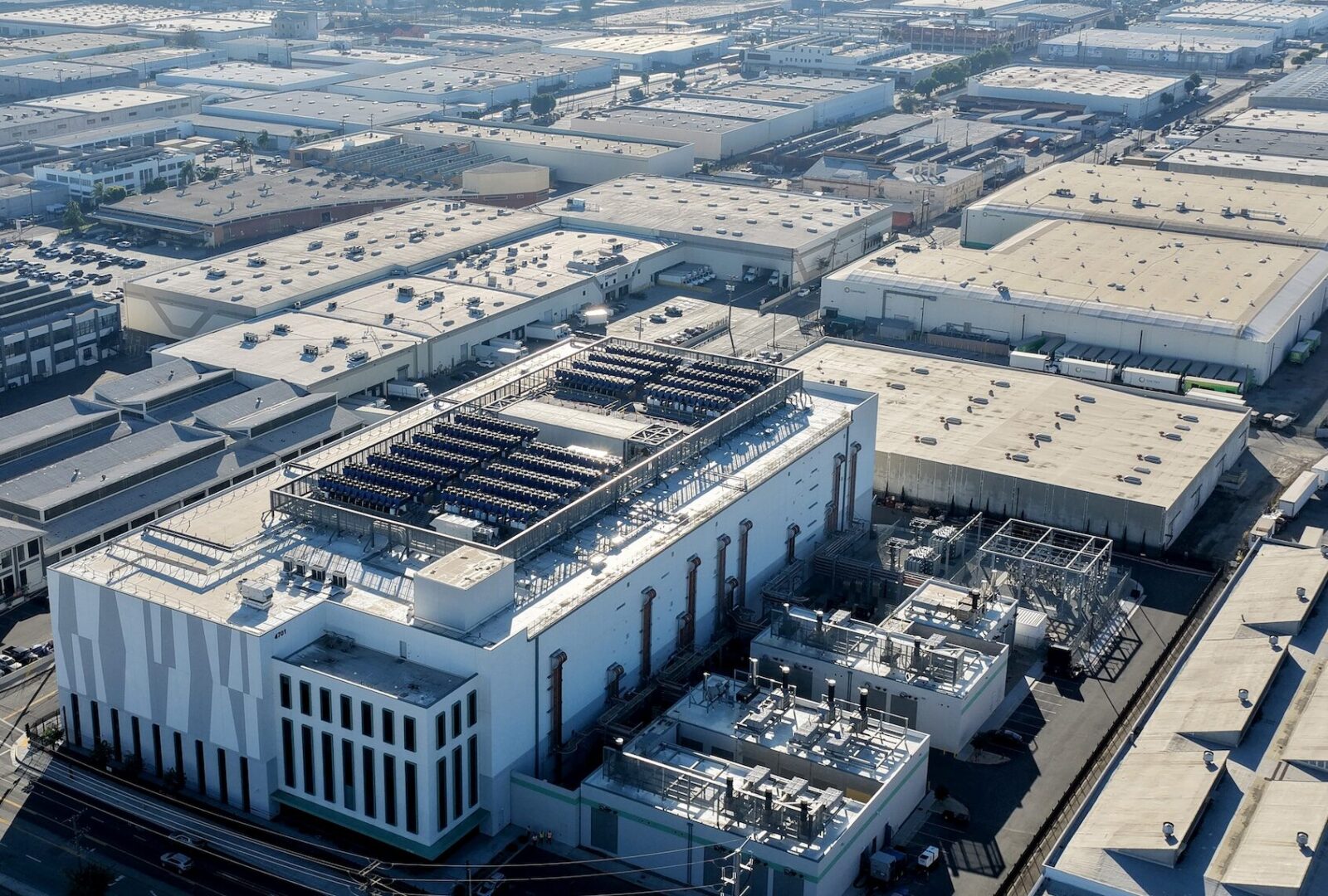
According to the Office of Prime Minister Kamla Persad-Bissessar, memorandums of understanding were signed with Florida-based Hummingbird AI Holdings and New York-based Ernst & Young LLP.
Under the agreement, Ernst & Young LLP will establish the framework for developing a 300-megawatt data centre, partnering with third parties on the project. Hummingbird AI Holdings will oversee preliminary cooperation, due diligence and coordination for a proposed 150-megawatt AI infrastructure and data centre facility.
The projects represent the first agreements of their kind between a Caribbean nation and U.S.-based companies seeking to develop AI infrastructure in the region.
Prime Minister Kamla Persad-Bissessar has strongly rejected criticism of the proposed developments, arguing that some environmental objections lack credibility given Trinidad and Tobago’s existing environmental problems.

In a blunt response to critics, Persad-Bissessar said the country’s rivers, drains, beaches, streets and highways are already being overwhelmed by litter, discarded tyres and illegal dumping.
Her message was clear: those expressing concern about the environmental impact of data centres should also be concerned about the pollution already affecting the country.
The Prime Minister also sought to reassure the public by stating that the proposed facilities would not draw from WASA’s potable water supply, but instead would rely on recycled or non-potable water circulated through closed-loop cooling systems. She further said the projects would not receive subsidised electricity or natural gas.
Persad-Bissessar argues that the investments could generate billions of dollars in economic activity, create thousands of construction and support jobs, and help diversify Trinidad and Tobago’s economy beyond its traditional energy sector.
However, critics maintain that developments of this scale require extensive environmental impact assessments, greater transparency and meaningful public consultation before construction proceeds.
Could Jamaica Face Similar Questions?
For Jamaica, Trinidad and Tobago’s announcement raises an important question: If similar AI investments were offered to Jamaica, should the country accept them?
The question is particularly relevant because Jamaica already faces water shortages in several communities, while households and businesses continue to pay some of the region’s highest electricity costs.
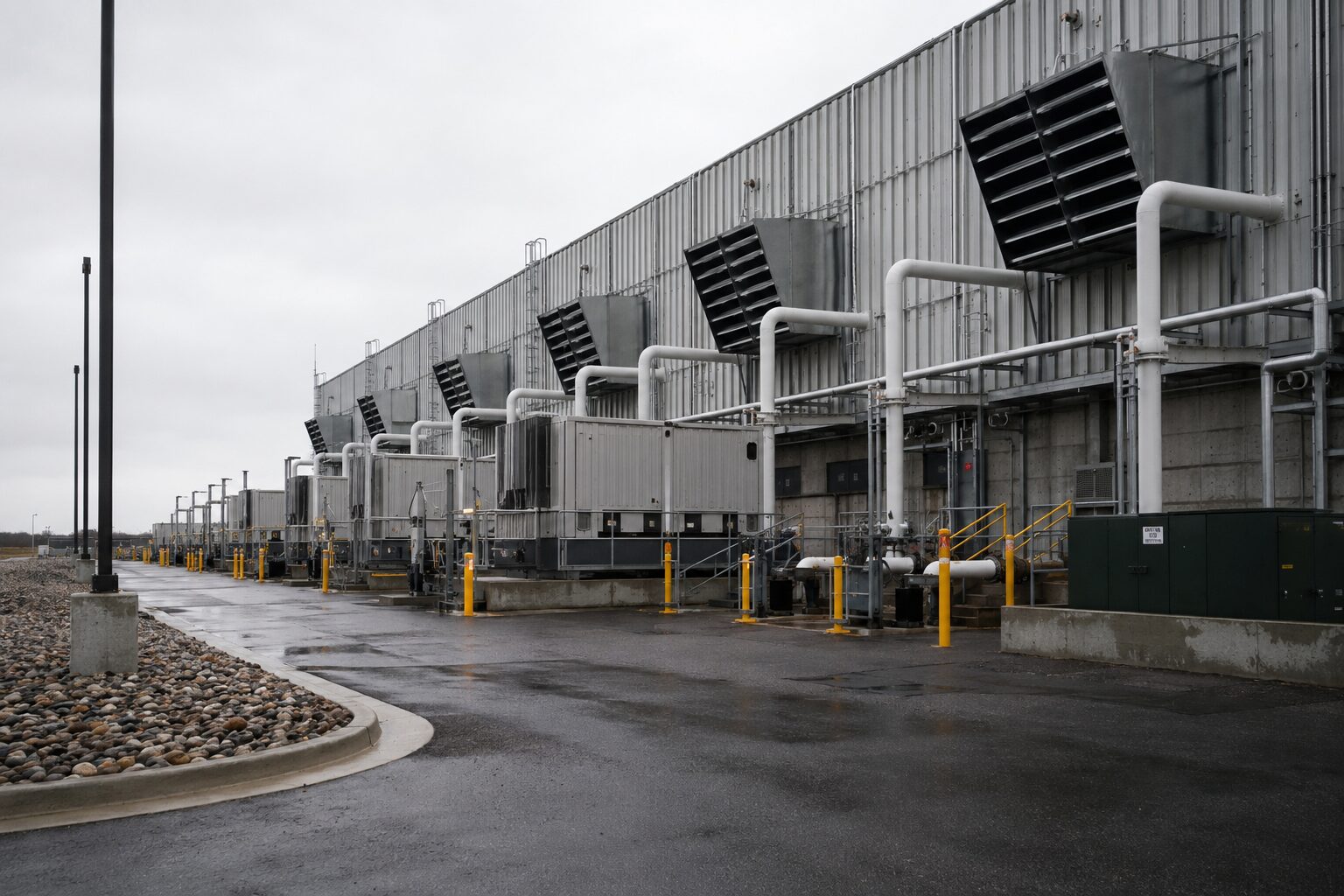
Large AI data centres consume enormous amounts of electricity to power thousands of computer servers and require substantial cooling systems, many of which rely heavily on water.
If comparable projects were proposed in Jamaica, policymakers would have to weigh the promise of economic growth against concerns over whether the island’s existing infrastructure could support such developments without placing additional pressure on residents.
Across the United States and other countries, public opposition to large-scale data centres has grown as the AI industry rapidly expands.
Critics argue that while these facilities drive technological innovation, they can also place significant pressure on local infrastructure and surrounding communities.
Among the concerns frequently raised are:
- Heavy electricity demand that can place additional strain on power grids and require costly infrastructure upgrades.
- Massive water consumption used to cool computer servers, raising concerns about long-term water security.
- Constant noise from cooling equipment and backup generators that nearby residents say affects their quality of life.
- Air pollution linked to diesel-powered backup generators.
- Light pollution caused by facilities operating around the clock.
- Limited permanent employment once construction is completed because many data centres are highly automated.
- Generous tax incentives offered to attract technology companies, prompting questions about whether taxpayers receive sufficient long-term benefits.
In some communities in the United States, residents have also reported discoloured water following the construction of nearby data centres. While those complaints have attracted public attention, they do not, on their own, establish that the facilities directly caused the changes, and experts note that the causes can vary from one location to another.

Supporters believe AI infrastructure represents the future of the global economy and argue that Caribbean nations should seize opportunities to become regional technology hubs.
Critics, however, say small island developing states must carefully evaluate whether their electricity grids, water supplies and environmental protections are capable of supporting facilities that consume vast amounts of resources.
As Trinidad and Tobago moves forward with its plans, governments across the Caribbean—including Jamaica—may soon face similar decisions.
The debate is no longer simply about artificial intelligence. It is about whether Caribbean nations can embrace the digital economy while protecting the resources and infrastructure their citizens depend on every day.