

Jamaica Eyes Offshore Oil and Gas: Will It Transform the Economy or Just the Energy Sector?
Jamaica Live News Desk– | Mar 14, 2026
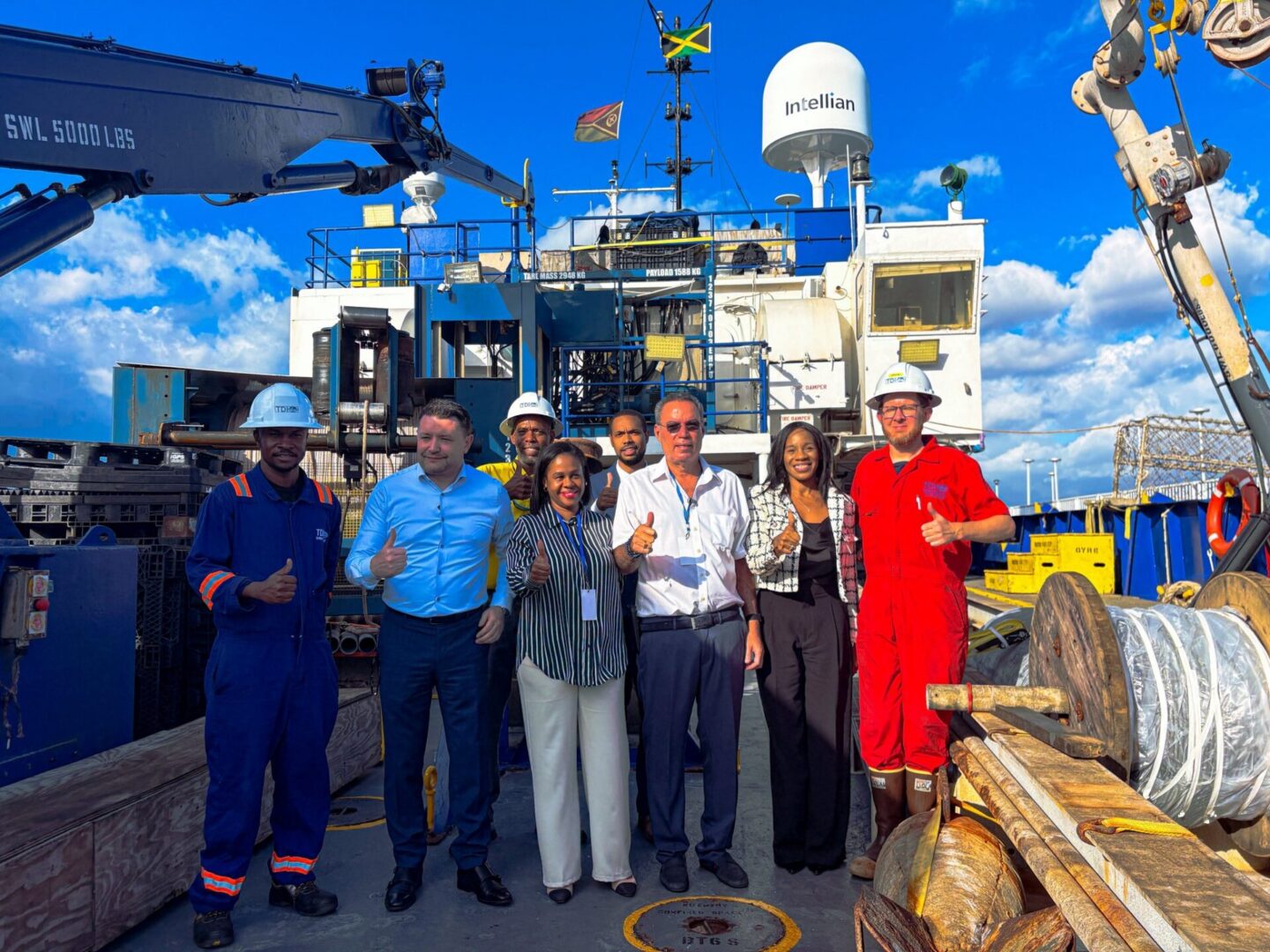
The Government of Jamaica has intensified efforts to explore offshore oil and gas resources, with international company United Oil & Gas Plc leading current exploration activities in the Walton–Morant Basin.
Through the Ministry of Energy, the Jamaican government has entered a production-sharing agreement with the Dublin-based exploration firm to study a vast offshore block covering roughly 22,400 square kilometres south of the island. The initiative is being positioned as a potential step toward strengthening Jamaica’s long-term energy security and reducing reliance on imported fuels.
Exploration Underway, But No Drilling Yet
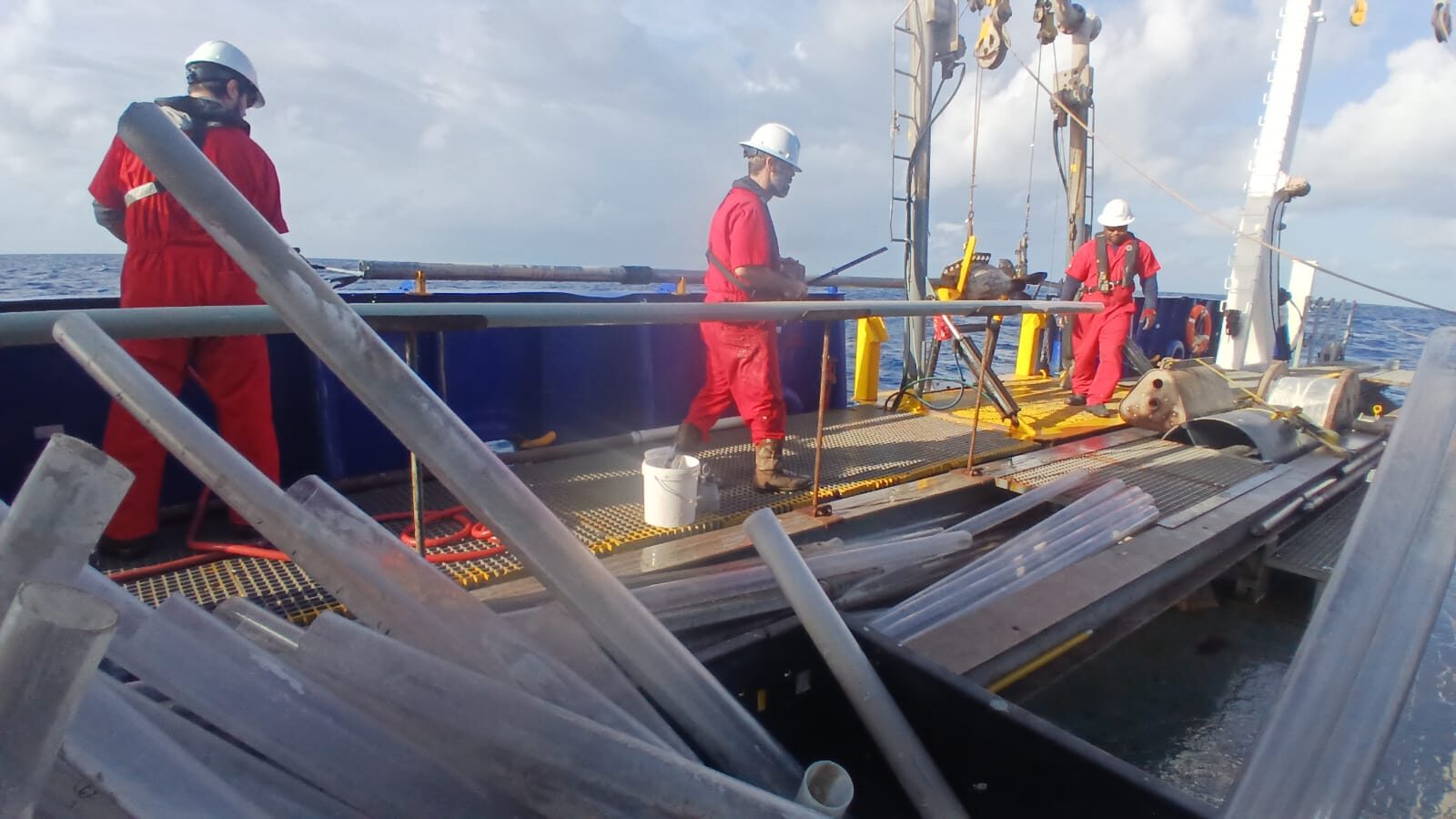
According to Energy Minister Daryl Vaz, the current work is strictly exploratory. Scientists and engineers are conducting surface geochemical surveys and seabed sampling in both the Walton and Morant basins to determine whether commercially viable oil or gas reserves exist beneath the seabed.
Samples collected during the third stage of seabed coring are now being analyzed in laboratories in the United States. Officials say the results—expected in the coming weeks—will help determine whether the project advances to the next stage, which could involve exploratory drilling.
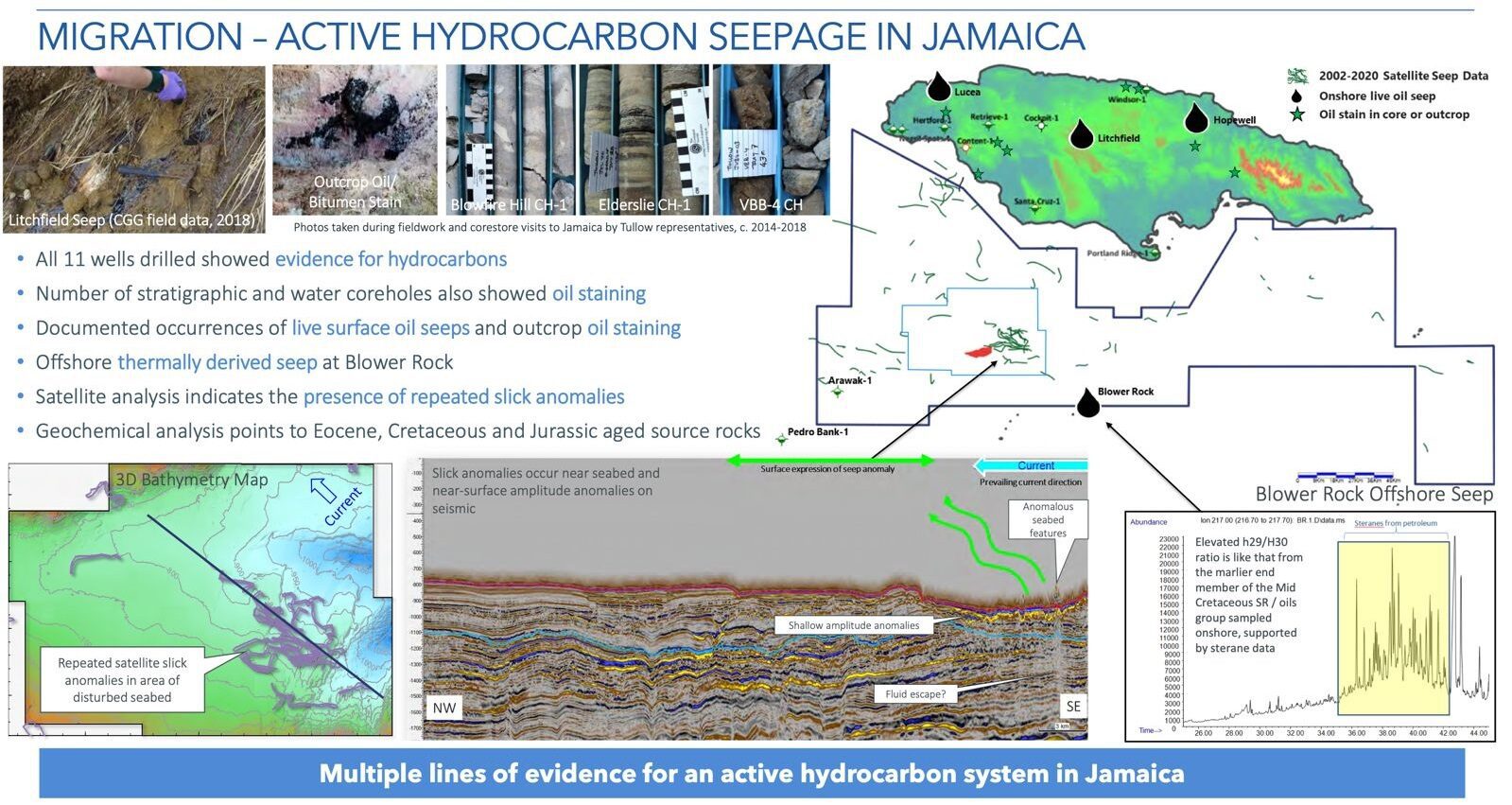
Evidence suggesting a potential petroleum system has already been observed. These indicators include onshore oil seeps, offshore seepage, and repeated satellite-detected slick anomalies aligned with seismic structures beneath the seabed.
If the upcoming laboratory results support these findings, it could significantly strengthen Jamaica’s data package for potential investors and move the project toward a farm-out process, where larger international energy companies could join the venture and finance drilling operations.
Following the Path of Regional Neighbours
Jamaica’s exploration push comes as Caribbean neighbours have transformed their economies through oil and gas production.
Countries such as Guyana and Trinidad and Tobago have long been major energy players in the region. Guyana, in particular, has experienced an economic boom after massive offshore discoveries in the past decade, rapidly becoming one of the fastest-growing economies in the world.
However, the rise of oil wealth has also reshaped geopolitical dynamics in the Caribbean. Oil-producing states often find themselves more closely aligned with the foreign policy interests of the United States, particularly on issues involving regional security and Venezuela’s energy sector.
Some analysts argue that this alignment has created tensions within CARICOM, where member states sometimes hold differing views on global alliances and energy diplomacy.
The Big Question: Will Ordinary Jamaicans Benefit?
While the possibility of discovering oil or gas is exciting, a critical question remains: would such discoveries actually benefit the average Jamaican?
Energy experts note that exploration success does not automatically translate into national prosperity. Developing offshore oil fields requires billions of dollars in investment, strong regulatory frameworks, and careful management to ensure revenues are shared across the wider economy.
Critics also warn of the potential risks of the so-called “resource curse,” where countries rich in natural resources sometimes struggle with inequality. When countries discover valuable resources like oil, the wealth does not benefit everyone. Instead, a few people may get rich while corruption grows creating a wider gap between the rich and the poor, instead of benefiting everyone.
Environmental Debate Intensifies
Environmental groups have also raised concerns. The Jamaica Environment Trust has criticized the government for what it describes as mixed signals—allowing fossil fuel exploration while simultaneously committing to climate-change mitigation and renewable energy development.
Jamaica has pledged to increase renewable energy in its power mix, raising questions about whether offshore oil development would conflict with the island’s long-term climate goals.
A Long Road Ahead
For now, officials stress that Jamaica is still in the evidence-gathering stage. The data currently being analyzed will determine whether exploration progresses toward drilling, which itself would only be the beginning of a much longer development process.
If commercial quantities of oil or gas are eventually discovered, Jamaica could potentially join the ranks of Caribbean energy producers. But whether such a discovery would reshape the country’s economy—or simply add another layer to its energy strategy—remains a question that only time, and geology, will answer.