

Buju Banton’s Son Jahazeil Sparks National Debate: Spiritual Warfare, Sexual Identity & The Question — Can You “Pray the Gay Away”?
Kingston, Jamaica — Jahazeil Myrie, son of reggae icon Buju Banton, has ignited a firestorm of conversation across social media after revealing in a recent interview that he “almost tun fish” during a period of emotional and spiritual turmoil.
Speaking candidly on Sheena Power Talk, Jahazeil described years of internal battles — rejection, confusion, and what he believes were spiritual attacks affecting his identity and confidence.
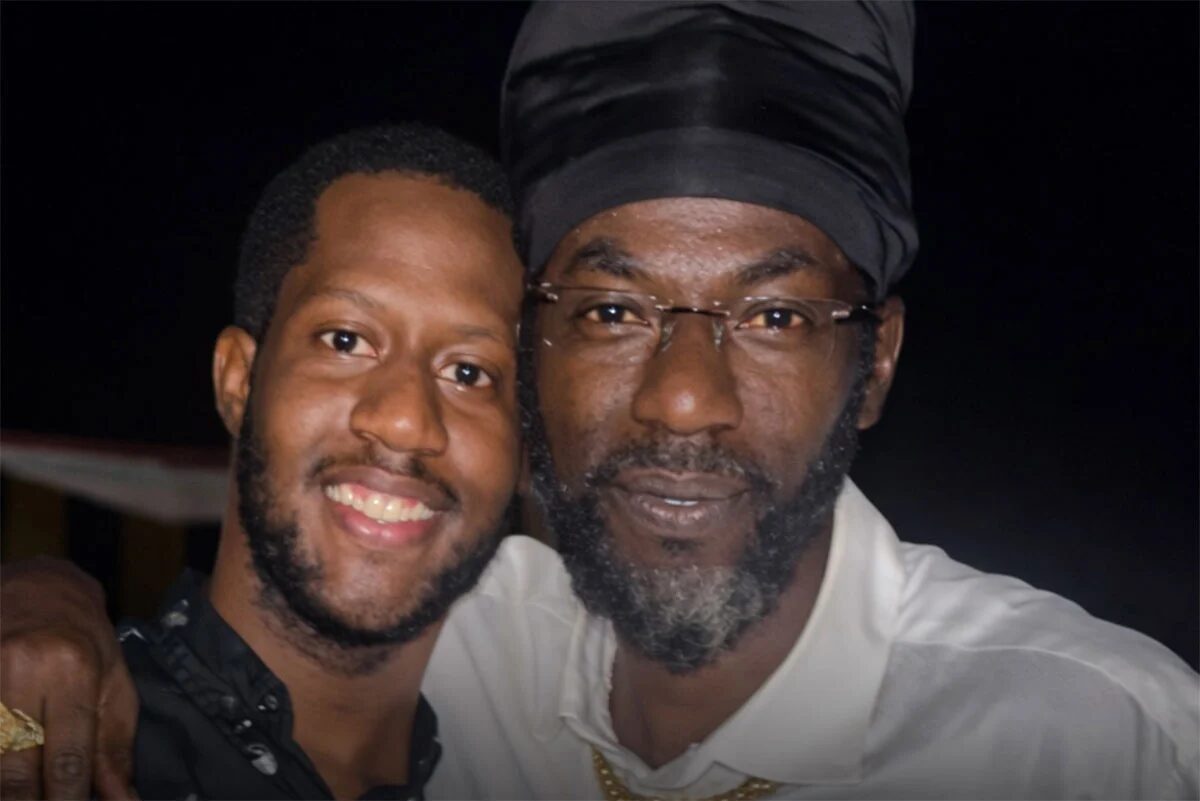
“Mi literally almost tun fish… because you know seh Satan a manipulate yuh mind and yuh character, but because a mi father song drag back mi memory, mi seh wait — but nuh mi father sing ‘Boom Bye Bye.’”
In Jamaican slang, the term “fish” is widely used as a derogatory reference to gay men — a word loaded with cultural, religious, and historical weight.
According to Jahazeil, a particularly low period marked by repeated rejection from women led him to begin questioning himself. He said the thoughts felt unnatural and spiritually troubling. What stopped him, he claims, was remembering his father’s controversial 1990s track Boom Bye Bye, a song that has long drawn international criticism for its anti-gay lyrics.
He said the moment triggered conviction. The next day, he went to church and began what he describes as a process of spiritual deliverance.
But beyond the shock value of the headline, Jahazeil’s testimony has reopened a much larger and more uncomfortable question within Jamaican society:
Can Someone Pray the Gay Away?
Jamaica remains one of the most religious societies in the Western Hemisphere. Faith shapes politics, culture, and even public policy. In many churches, homosexuality is preached not as identity but as temptation, sin, or spiritual warfare.
However, major global medical and psychological bodies, including the American Psychiatric Association and the American Psychological Association, state that sexual orientation is not a disorder and cannot be changed through prayer, therapy, or so-called “conversion” practices. Research has shown that efforts to change orientation are often associated with increased depression, anxiety, and internal conflict.
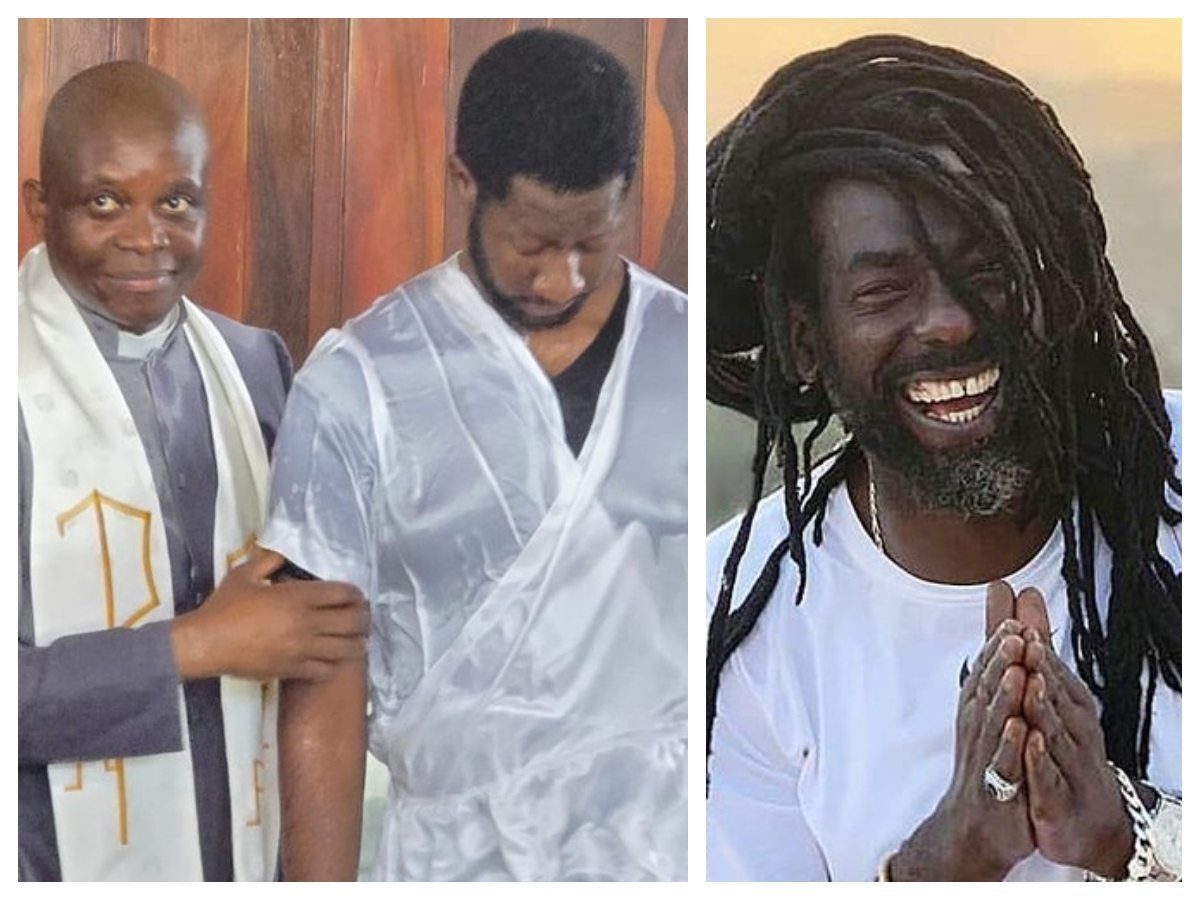
Some believers argue that prayer can strengthen discipline or encourage celibacy. But suppression of behavior is not the same as a fundamental change in orientation — a distinction that remains central to global debate.
In Jamaica, the tension between doctrine and science continues to collide.
For some, Jahazeil’s story represents victory over temptation.
For others, it reflects the deep psychological pressure placed on young men growing up in hyper-religious and hyper-masculine environments.
Growing Up in a Giant’s Shadow
Jahazeil also spoke about the burden of carrying the Myrie name. Being the son of Buju Banton came with expectations — cultural, moral, and spiritual. He suggested that generational pressures and public scrutiny intensified his internal battles.
Beyond identity, he also revealed that he struggled with health challenges that only improved after disciplined lifestyle changes and exercise.

A Cultural Crossroads
Buju Banton’s Boom Bye Bye remains one of the most controversial songs in reggae history. Decades after its release, it continues to symbolize a wider cultural conflict — between tradition and modernity, faith and psychology, masculinity and vulnerability.
Now, unexpectedly, it has resurfaced not as a dancehall anthem, but as a turning point in his son’s personal testimony.
Whether one agrees or disagrees with Jahazeil’s framing, his interview has forced Jamaica to confront difficult realities:
- How do we discuss sexuality in a country rooted in church doctrine?
- Can faith and modern psychology coexist?
- And what happens when private struggles become public debates?
The conversation is no longer just about one young man’s spiritual journey.
It is about a nation still negotiating its identity.
Jamaica Live will continue to follow this developing cultural conversation.