
One Jamaica, Not Two: Why the New Republic Must End the Myth of Maroon Sovereignty
As Jamaica prepares to embark on one of the most significant constitutional transformations in its history—the creation of a Jamaican Republic—a long-standing question has resurfaced with new urgency: Should the Maroons retain any claim to “sovereignty” within the borders of an independent Jamaica?
Jamaica Live says no.
And we are leading the charge in calling for clarity, unity, and the removal of any ambiguities surrounding Maroon authority in the new Republic.
A Treaty With Britain, Not Jamaica
The historical record is clear:
The Maroons do not have a treaty with the Government of Jamaica. Their agreements were forged with the British Crown, a colonial empire that Jamaica is now preparing to fully sever ties from.
Once Jamaica removes the British monarch as head of state, the foundation on which Maroon sovereignty claims rest collapses entirely. A modern independent nation cannot sustain a centuries-old colonial arrangement granting a separate entity quasi-state status within its territory.
Jamaica is a small island nation.
We cannot manage—nor do we need—a turbulent two-state model carved out of myth and outdated colonial constructs.
A History That Cannot Be Ignored
Those who argue for Maroon “sovereignty” often invoke bravery, resistance, and cultural heritage. But the story is far more complicated—and far more painful.
Even after Emancipation, when Jamaica was fighting for freedom, dignity, and nationhood, the Maroons continued to work alongside the British colonial system, enforcing its authority against other Jamaicans.
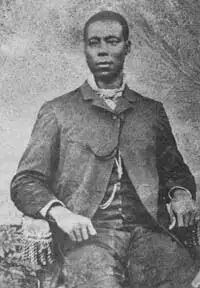
The most troubling example remains the death of National Hero Paul Bogle.
Paul Bogle was killed by the British colonial government after being captured by Maroons, handed over, tried under martial law, and hanged in Morant Bay on October 24, 1865. This will forever stain their historical record.
The Maroons were also instrumental in hunting down Chief Tacky, leader of one of the most significant slave rebellions in Jamaican history.
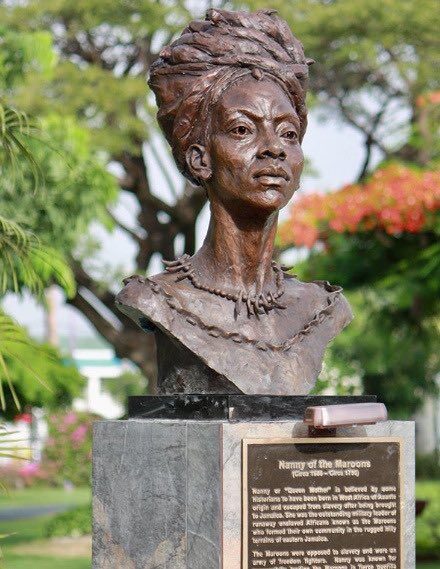
And while the historical evidence is debated, many Jamaicans believe the Maroons may have also been involved in events surrounding the death of Nanny, who refused to sign the treaty with Britain. Yet, conveniently, after her death, the treaty was signed.
These are not minor details.
They speak directly to questions of loyalty, nationalism, and responsibility.
The New Republic Must Stand on One Principle: One Jamaica
As Jamaica moves forward, we must ask ourselves a critical question:
Can a modern republic allow a group within its borders to claim sovereignty, armed authority, or separate legal rights based on a treaty signed with the very colonial empire Jamaica is now rejecting?
The answer must be no.
A sovereign Jamaica cannot continue to operate under colonial contradictions.
A sovereign Jamaica cannot afford internal division disguised as historical entitlement.
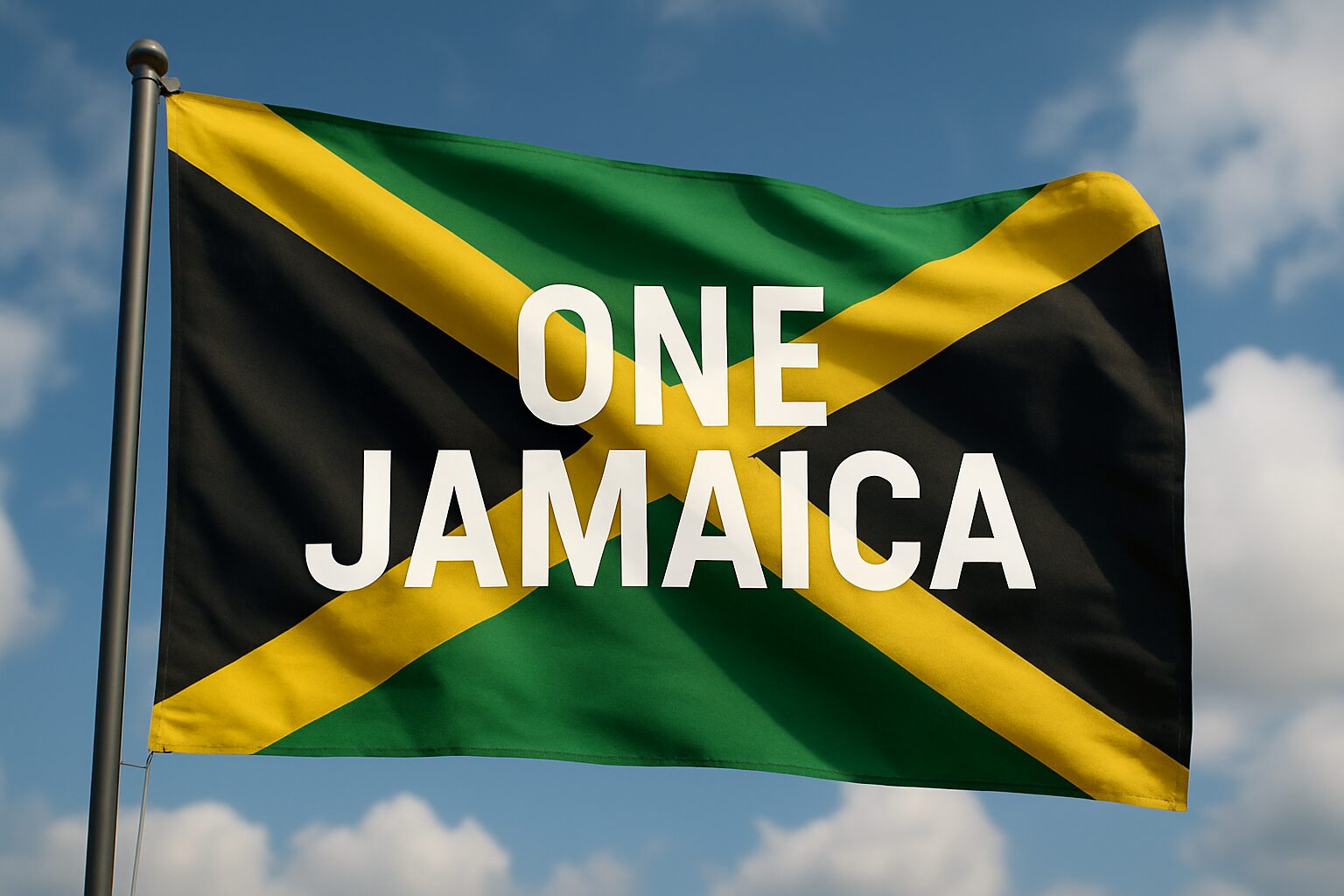
A sovereign Jamaica must be One Jamaica—not pieces of a fractured island answering to different authorities.
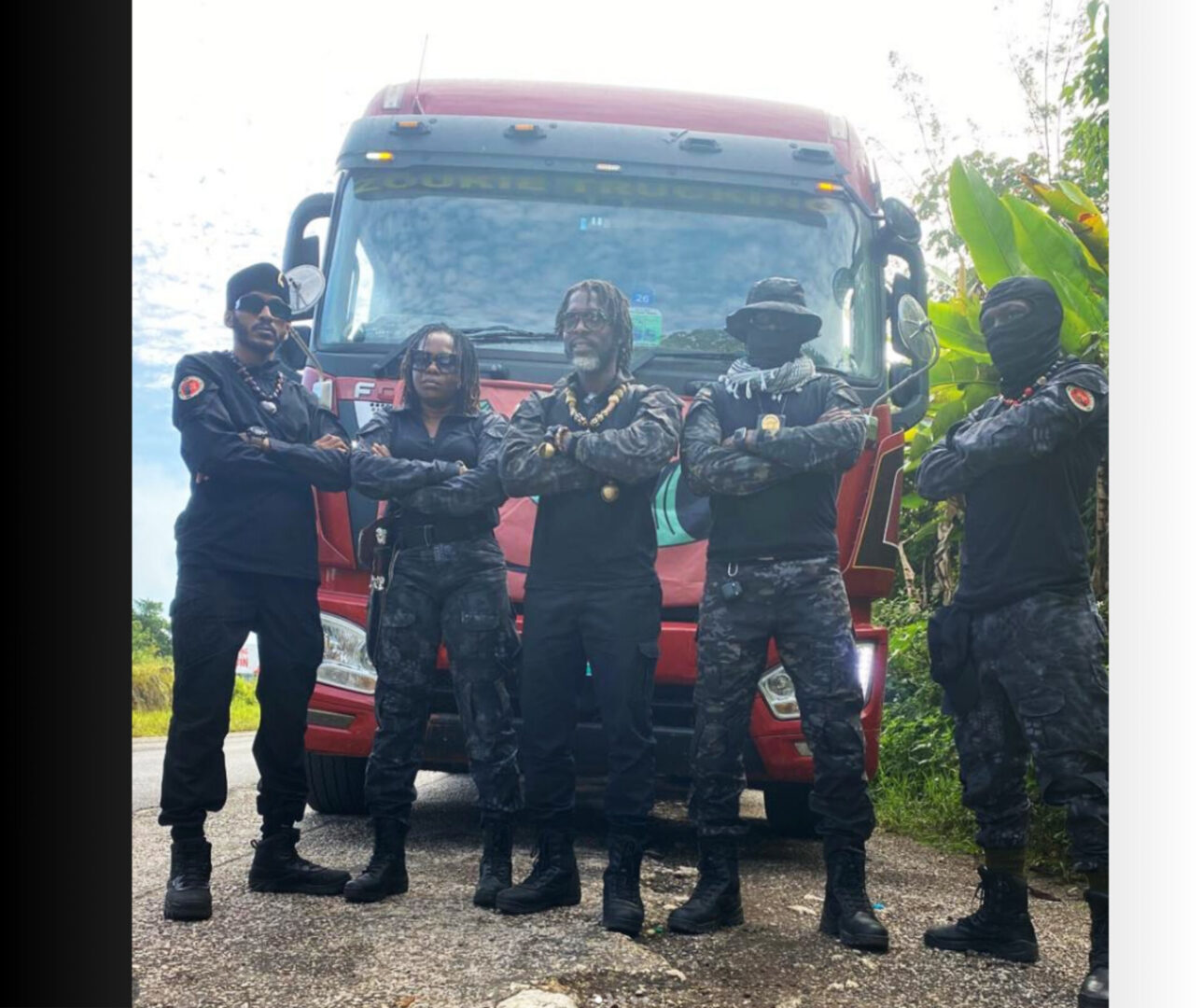
We need patriots, not separatists.
We need unity, not inherited division.
We need solutions that uplift every Jamaican—Maroon, Afro-Jamaican, Indo-Jamaican, Chinese-Jamaican, European-Jamaican, and our worldwide diaspora.
A Call for National Clarity
In the Jamaica Republic:
- There must be no sovereign enclaves.
- There must be no colonial-era special states.
- There must be one Constitution, one set of laws, and one Jamaican people.
This moment in history offers Jamaica a rare opportunity:
To close the chapter on colonial fragmentation and to build a unified, confident, modern nation.
Unity is not optional.
Not now.
Not in the Republic.
Not for the generations who will inherit the Jamaica we create today.
One Jamaica. One future. One Republic.