

Has the British Press Finally Met Its Match in Prince Harry?
Jamaica Live International News– | Jan 20, 2026
For Prince Harry, the courtroom has become more than a legal battleground. It is a reckoning with a media culture he believes destroyed his mother, tormented his childhood, and later turned its full force on his wife. As the Duke of Sussex confronts the publisher of the Daily Mail and Mail on Sunday in one of the most high-profile privacy cases in recent British legal history, a question now hangs heavily over the proceedings: Is this about unlawful information gathering alone — or is Harry also settling a generational score with the British press?
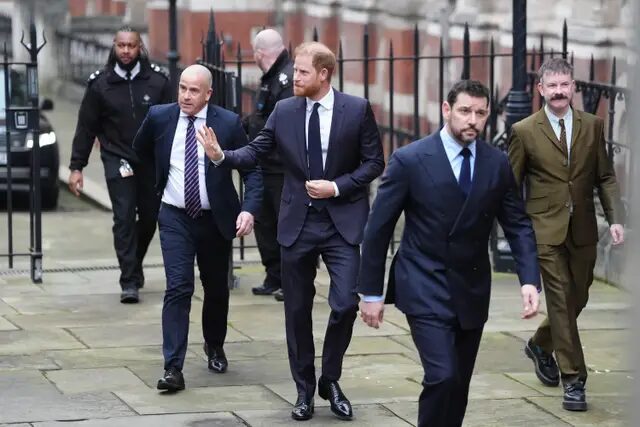
The Duke of Sussex is among seven prominent figures accusing Associated Newspapers Limited (ANL) of engaging in unlawful information-gathering practices over a period spanning more than two decades. The claimants allege “clear, systematic and sustained” privacy breaches between 1993 and beyond 2018, including the use of private investigators, phone hacking, blagging, and the illicit acquisition of personal data.
ANL has firmly denied all wrongdoing.
In court, Antony White KC, representing the publisher, dismissed the case as fundamentally weak. He argued that the claimants were “clutching at straws” and that journalists had relied on legitimate sources rather than criminal methods. According to the defence, stories emerged not through unlawful behaviour but because the claimants themselves moved within what White described as “leaky” social circles. Any alleged pattern of misconduct, he said, “is simply not made out.”
Yet for Prince Harry, the dispute appears to extend far beyond technical legal arguments.
A Case Rooted in Trauma
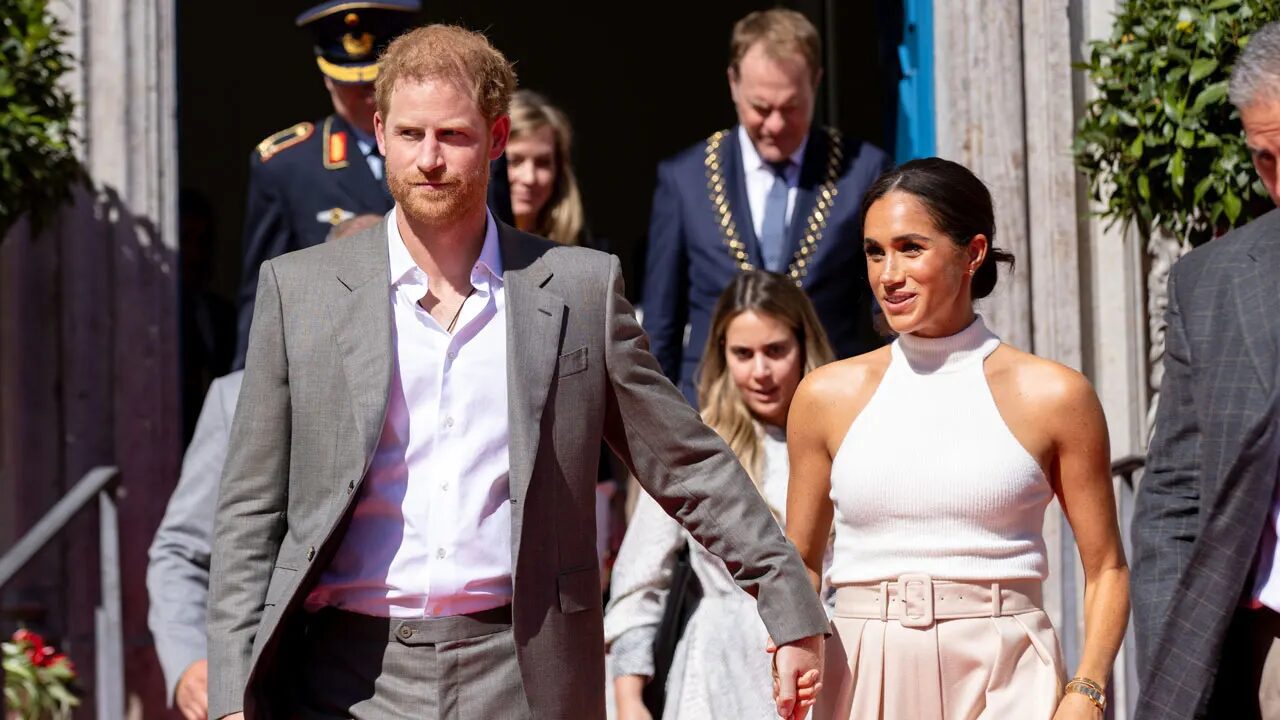
During opening submissions, barrister David Sherborne described a newsroom culture in which senior journalists were allegedly “engaged in or complicit in unlawful information gathering that wrecked the lives of so many.” Prince Harry, Sherborne told the court, has been left “paranoid beyond belief” by years of press intrusion.
That language echoes something far deeper than reputational damage. It reflects a lifelong psychological burden — one Harry has repeatedly linked to the treatment of his mother, Princess Diana, by the British media.
Diana was relentlessly pursued by paparazzi and tabloids throughout her life, particularly after her separation and divorce from Prince Charles. Her movements were tracked, her relationships dissected, and her private conversations exposed. The constant surveillance fostered profound fear and mistrust — a paranoia that many close to her later confirmed.
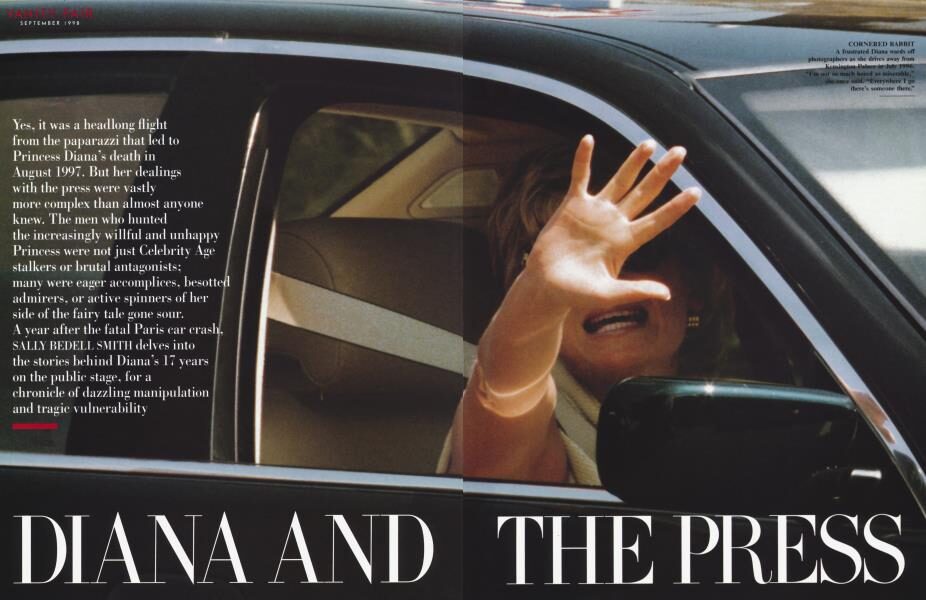
The most notorious example, Squidgygate, saw transcripts of an intimate phone conversation between Diana and her friend James Gilbey published in 1992 after being secretly recorded. The episode starkly exposed how vulnerable she was to intrusion and eavesdropping. Years later, it was also revealed that a BBC journalist had used deceitful methods to secure her cooperation for the Panorama interview, further compounding the sense that Diana had been systematically manipulated and exploited by powerful media institutions.
That history looms large in Harry’s legal crusade.
From Diana to Meghan
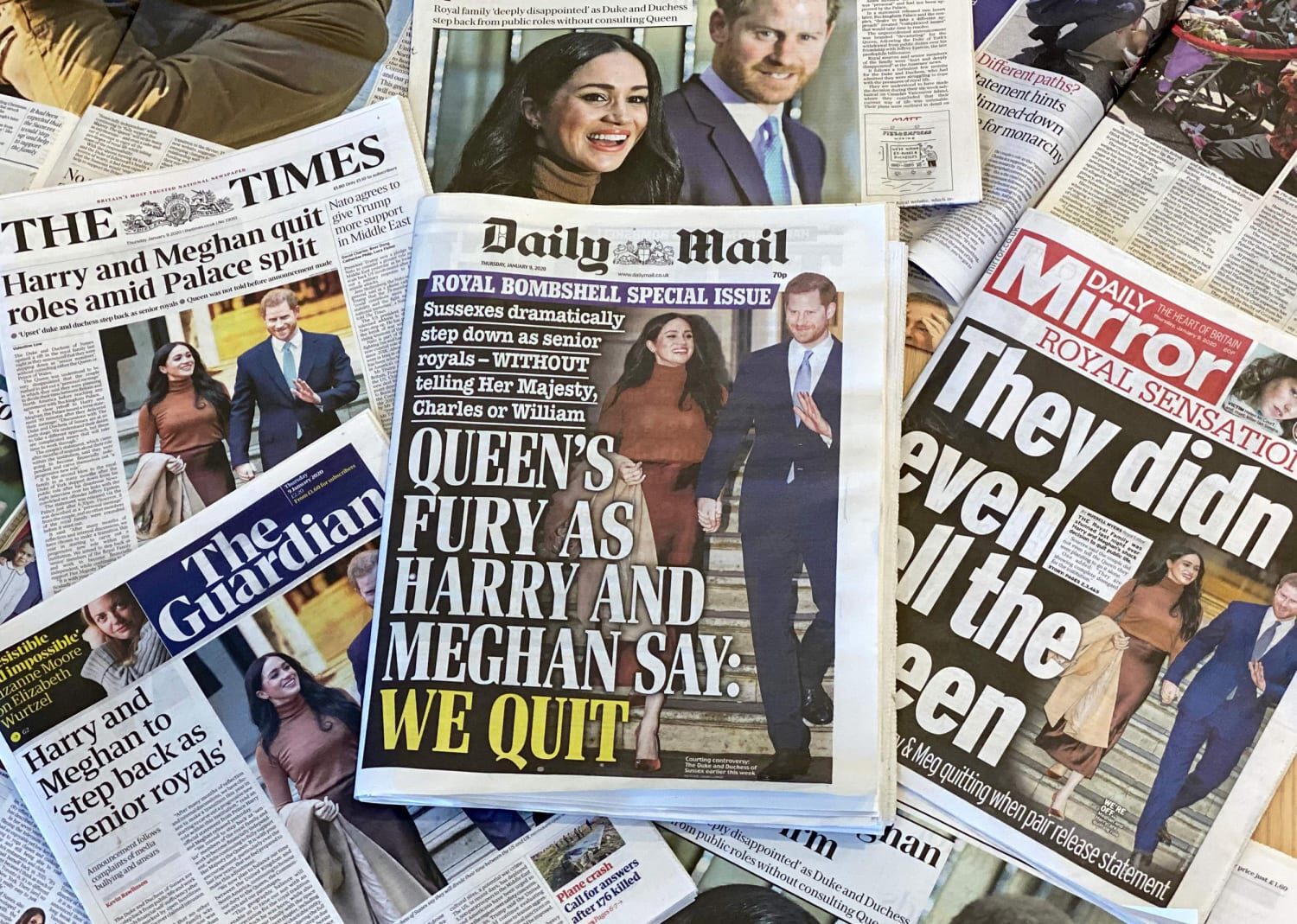
Harry has long argued that the same press machinery that targeted his mother was later turned on his wife, Meghan, Duchess of Sussex. The couple’s relationship, engagement, and marriage were relentlessly scrutinised, often accompanied by hostile or racially charged coverage. Her family disputes were sensationalised, her private correspondence exposed, and her mental health struggles dissected in a manner widely criticised as dehumanising and cruel. Coverage frequently blurred the line between scrutiny and harassment, fostering an atmosphere of suspicion and hostility that Prince Harry has said mirrored the media treatment that once engulfed his mother. While reinforcing broader patterns of racism and intolerance within sections of the British press.
For Harry, the parallels were unmistakable — and intolerable.
Prince Harry has repeatedly stated that witnessing the intense media scrutiny and lack of support his wife, Meghan Markle, experienced—which he felt mirrored the “ordeal” his mother, Princess Diana, went through—was a primary factor in their decision to step back from royal duties and leave the UK.
Key details regarding this decision include:
“History Repeating Itself”: Harry explicitly told Oprah Winfrey that his “biggest concern was history repeating itself,” referring to the harassment his mother faced from the press, which he saw recurring with his wife.
In that context, his legal actions against British newspapers take on an additional dimension: not just a bid for accountability, but a line drawn in the sand.
Justice, Revenge — or Both?
So is Prince Harry seeking justice, or revenge?
The court will ultimately decide whether ANL unlawfully gathered information. But Harry’s motivations appear inseparable from the emotional and historical weight he carries. To him, this is not an abstract legal dispute — it is a challenge to a media culture he believes has operated with impunity for decades.
In confronting the Daily Mail’s publisher, Harry is also confronting an institution that he sees as having played a central role in shaping — and damaging — his life. It is difficult to ignore the possibility that this case is as much about ensuring the British press “pays” for past harms as it is about redressing present ones.
That does not necessarily weaken his claim. On the contrary, it underscores why this lawsuit matters. If the allegations are proven, they would expose systemic failures in press ethics stretching back to the era of Princess Diana. If they are not, the case will still stand as a rare and public attempt by a senior royal to hold tabloids to account.
A Trial With Wider Implications
Joining Prince Harry in the lawsuit are actor Liz Hurley, actress Sadie Frost, Sir Elton John and his husband David Furnish, former Liberal Democrat MP Sir Simon Hughes, and Baroness Doreen Lawrence — whose son Stephen Lawrence was murdered in a racist attack in 1993 and who has long campaigned against institutional abuse and injustice.
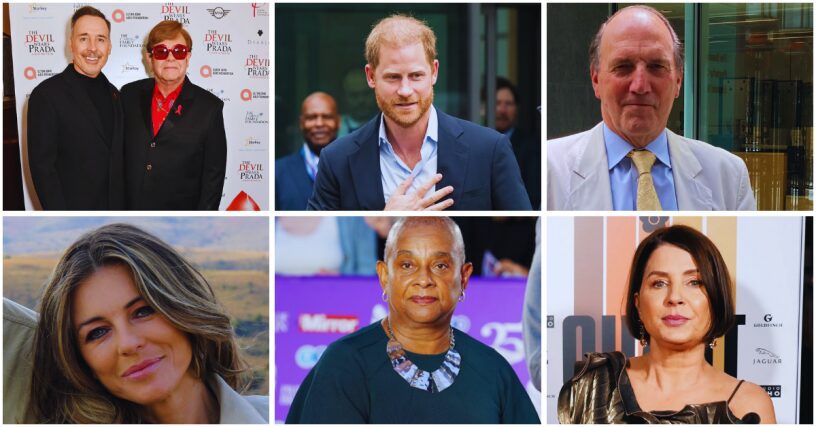
The other claimants — including actors Liz Hurley and Sadie Frost, musician Sir Elton John and his husband David Furnish, former Liberal Democrat MP Sir Simon Hughes, and campaigner Baroness Doreen Lawrence — accuse Associated Newspapers Limited (ANL) of engaging in a long-running pattern of unlawful information gathering to generate stories about their private lives. They allege that journalists working for the Daily Mail and Mail on Sunday routinely used private investigators, blagging, covert surveillance, and the illicit access of confidential records to obtain personal information, including medical details, financial data, private communications, and family matters. According to the claimants, these practices were systematic, widespread, and known to senior editors, causing lasting emotional distress and, in some cases, endangering personal safety, while allowing the publisher to profit from invasions of privacy over many years. In the cause of Liz Hurley, she accused the Associated Newspapers Limited (ANL) of obtaining information about her pregnancy and the paternity of her son Damian.
Their presence underscores the broader stakes of the case. This is not merely about celebrity discomfort with scrutiny, as the defence suggests, but about whether powerful media organisations crossed legal and ethical lines — and whether they can still be challenged.
The trial, expected to last nine weeks at the Royal Courts of Justice, is likely to intensify scrutiny of Britain’s tabloid culture once again.
For Prince Harry, however, the outcome may never fully resolve what he is fighting. Because beneath the legal arguments lies a deeper demand: that the suffering of his mother, his wife, and himself be acknowledged — not dismissed as collateral damage of fame.
And in that sense, the case is not just about the past 20 years. It is about whether the British press will ever truly reckon with the human cost of its power.