

Stop Rewriting Bob Marley and Marcus Garvey: Jamaica’s Pan-African Legacy Is Not Israel’s Story
OPINION | A recent claim by journalist and documentary filmmaker Simcha Jacobovici, who describes himself as a three-time Emmy Award winner, should be challenged and publicly admonished for attempting to recast Bob Marley as a Zionist while drawing Jamaica’s National Hero Marcus Garvey into the same narrative. Such claims distort the historical record and misrepresent the Pan-African philosophy that defined both men.
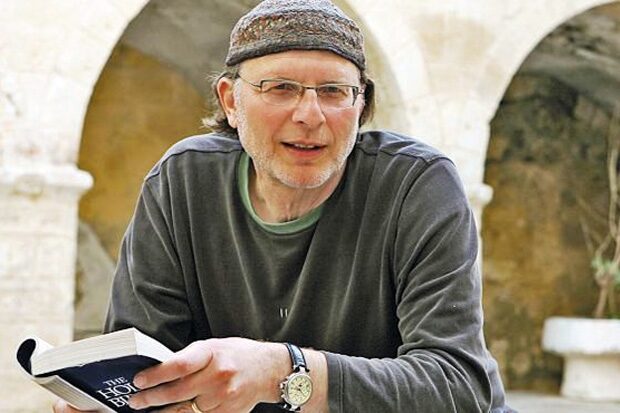
The claim that Bob Marley was a Zionist, and the attempt to draw Marcus Garvey into the same narrative, is one that deserves serious scrutiny.
For generations, Bob Marley’s references to Zion have been understood within the framework of Rastafari, a faith that places Ethiopia—not the modern State of Israel—at the centre of its spiritual worldview. In Marley’s music and interviews, Africa was consistently portrayed as the homeland of Black people and the source of liberation, identity, and spiritual belonging.
To reinterpret Marley’s Zion as the political Zion associated with the modern State of Israel is, in our view, to remove his words from the cultural and religious context in which they were spoken.
Bob Marley never visited Israel. His life, his message, and his music were deeply rooted in Pan-Africanism and the Rastafarian vision of Africa as Zion.
The attempt to place Marcus Garvey into the same narrative is equally controversial.
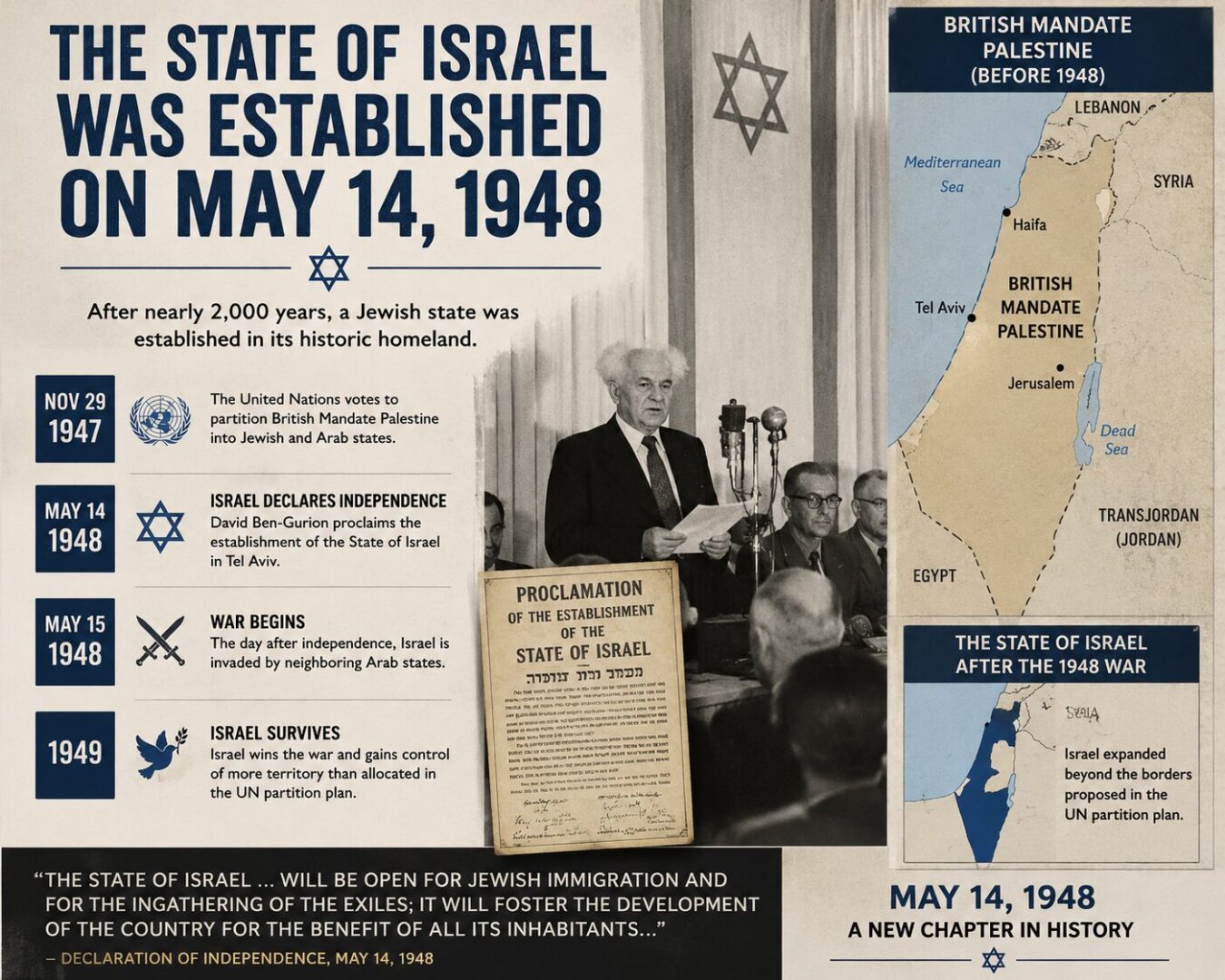
Garvey died on June 10, 1940. The State of Israel was not established until May 14, 1948—nearly eight years later. Any claim that Garvey supported the modern State of Israel must therefore contend with the simple historical fact that the state did not exist during his lifetime.
Garvey’s life’s work was devoted to the liberation and advancement of people of African descent. Through the Universal Negro Improvement Association (UNIA), the Negro World newspaper, the Black Star Line, and the Negro Factories Corporation, he promoted Black nationalism, economic self-determination, racial pride, and the global unity of African people.
His vision was unmistakably Pan-African.
There is no doubt that Marcus Garvey had a working relationship with the Jews in New York City. Therefore, it would make sense he would reference them within the framework of his understanding of what was communicated to him. Nevertheless, Garvey died before the State of Israel was not established and could not have supported it. Additionally, Garvey also blamed the Jews for his demise. It is documented that following his conviction on mail fraud charges, Garvey expressed resentment toward several Jewish individuals involved in his prosecution, writing critically about them in private correspondence. Those writings remain part of the historical record and have been the subject of scholarly discussion. They also illustrate that Garvey’s relationship with Jewish individuals and institutions was complex and contentious at points in his life. After his conviction Garvey wrote, it is alleged that Garvey burst into a storm of rage, denouncing both the judge and district attorney as “damned dirty Jews.” https://www.shogafilms.org/post/marcus-garvey-s-antisemitic-flare-up
None of this means Bob Marley and Marcus Garvey should be recast as figures whose movements or philosophies were centred on the modern State of Israel.
Jamaica has given the world two of the most influential Pan-African voices in modern history. Their legacies should be understood through their own words, their own movements, and the historical realities in which they lived—not through interpretations that detach them from the Rastafarian and Pan-African traditions that defined them.
Debates about history are inevitable. But history should be argued from evidence, context, and the historical record—not by imposing modern political narratives onto Jamaican icons whose lives were devoted to very different causes.
This man is literally trying to rewrite Bob Marley and Marcus Garvey’s legacy