

When Criminals Get More Sympathy Than Victims
Why Jamaicans Are Questioning the PNP’s Crime Narrative
There is something deeply unsettling about the way Jamaica’s crime debate is now being framed.
Jamaica is seeing something that many once thought impossible: a sustained decline in murders and major crimes. After years of bloodshed, entire communities are finally beginning to breathe again. Yet at the very moment this progress is being made, a new political debate has erupted — not about how to protect victims, but about how criminals are being treated.
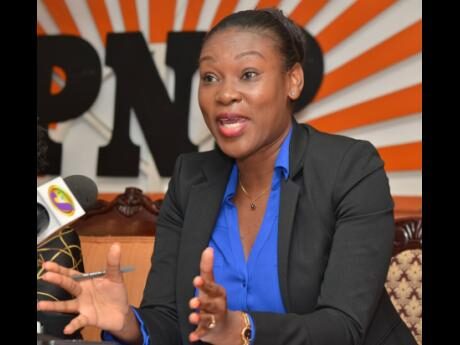
Opposition Spokesperson on Justice Zuleika Jess has described the recent increase in police fatal shootings in early 2026 as “alarming,” calling for independent investigations and the mandatory use of body-worn cameras during police operations. She warns that “unjust actions can breed resentment” among criminals.
In a recent interview with CVM TV, Jess has raised concerns about what she describes as an increase in fatal police shootings. While acknowledging that overall crime is trending downward, she argues that accountability is necessary to ensure that crime reduction remains “balanced, fair, just and sustainable” and that police actions do not fuel resentment in communities.
In 2024 alone, Jamaica recorded some of the most horrifying mass killings in modern memory. At Cherry Tree Lane in Clarendon, eight people were murdered and ten more wounded in a single attack. Women and children were not spared. Gunmen armed with military-style weapons showed no mercy.
These are not theoretical threats. These are not abstract statistics. These are people being slaughtered in their beds, abducted in broad daylight, and executed on their own streets.
Yet here we are in 2026, with senior opposition figures arguing that criminals might feel “attacked mercilessly.” If anyone in Jamaica is being attacked mercilessly, it is law-abiding citizens.
The idea that every police shooting must be treated as suspicious, while gang executions barely cause political outrage, sends a dangerous message: that criminals deserve more benefit of the doubt than their victims.
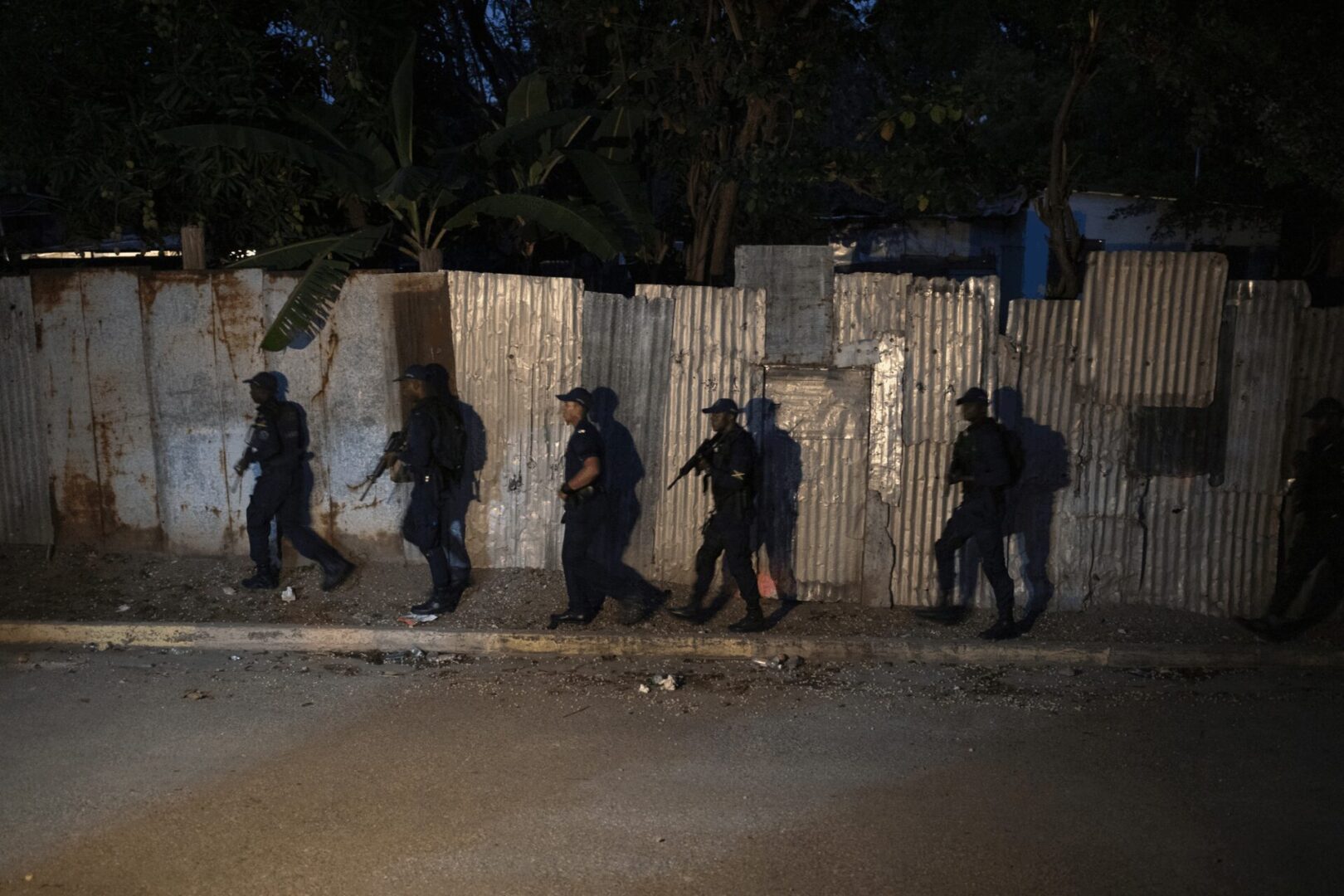
No serious person is saying the police should have free rein to abuse power. Accountability matters. Body-worn cameras and independent oversight are not bad ideas. But when those tools are weaponized politically to undermine officers in the field, the result is hesitation — and hesitation gets cops killed.
And when police hesitate, criminals win.
This is where the PNP’s moral authority collapses.
The same party now preaching “sustainable” crime reduction presided over some of the bloodiest years in Jamaica’s modern history. In 2013, then, PNP National Security Minister Peter Bunting openly said Jamaica needed “divine intervention” to deal with crime.
It was widely seen as an admission that the state had lost control.
Now, more than a decade later, that same failure is being repackaged with nicer language. “Divine intervention” has become “holistic” and “sustainable.” But the results Jamaicans remember are the same: skyrocketing murders, gang rule, and fear.
So when the PNP tells Jamaicans how to manage crime, people are right to ask:
Where was this wisdom when Jamaica was drowning in blood?
No serious person is saying the police should have free rein to abuse power. Accountability matters.
But accountability without context becomes a weapon against the very people standing between Jamaica and chaos. When politicians focus more on how criminals feel than how victims suffer, society loses its moral compass. The purpose of law enforcement is not to make criminals comfortable.
It is to make citizens safe. And right now, Jamaicans are not safe.
Until the opposition is willing to say, clearly and without apology, that violent criminals are the primary threat to this country, their calls for “balance” will continue to ring hollow.
Jamaica does not need more sympathy for gunmen.
It needs protection for its people. And that is a line the PNP still seems unwilling to draw.