

Holness Joins Accompong Maroons for Treaty Day Despite Recent Tensions
Jamaica Live News Desk– | Jan 6, 2026
ACCOMPONG, St. Elizabeth — January 6, 2026
Prime Minister Andrew Holness joined the people of Accompong on January 6 for the 288th anniversary of Accompong Maroon Treaty Day.
The annual celebration commemorates the 1738 treaty between the British colonial authorities and the Leeward Maroons, which formally recognized the Maroons as free people and granted them autonomy over the lands. The treaty remains a cornerstone of Maroon identity and governance.
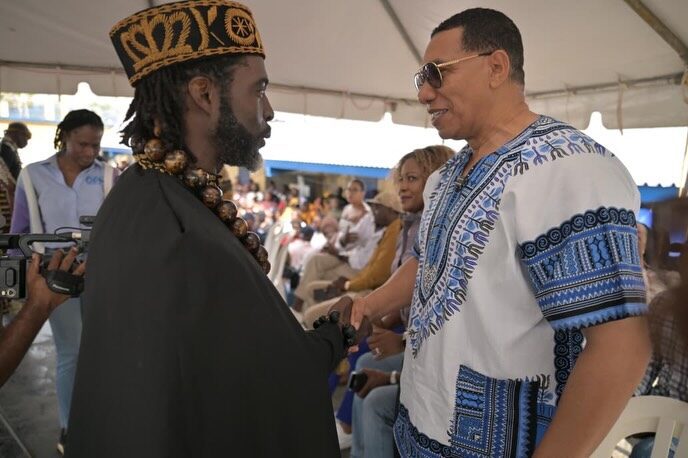
Treaty Day in Accompong is traditionally observed with ceremonial drumming, libations, cultural performances, ancestral remembrance, and community gatherings that draw visitors from across Jamaica and the diaspora. The atmosphere blends reverence with celebration, underscoring the Maroons’ enduring cultural heritage and their pivotal role in shaping the nation’s identity.
In a message shared on social media following the event, Prime Minister Holness reflected on the significance of the occasion, writing:
“Today, I joined the people of Accompong for the 288th Accompong Maroon Treaty Day celebrations, as we honoured the historic treaty that secured the freedom and autonomy of the Maroon people.
This occasion stands as a powerful reminder of our history of resistance, resilience, and pride.
The legacy of the Maroons remains a vital part of Jamaica’s national identity and continues to inspire our journey as a people.”
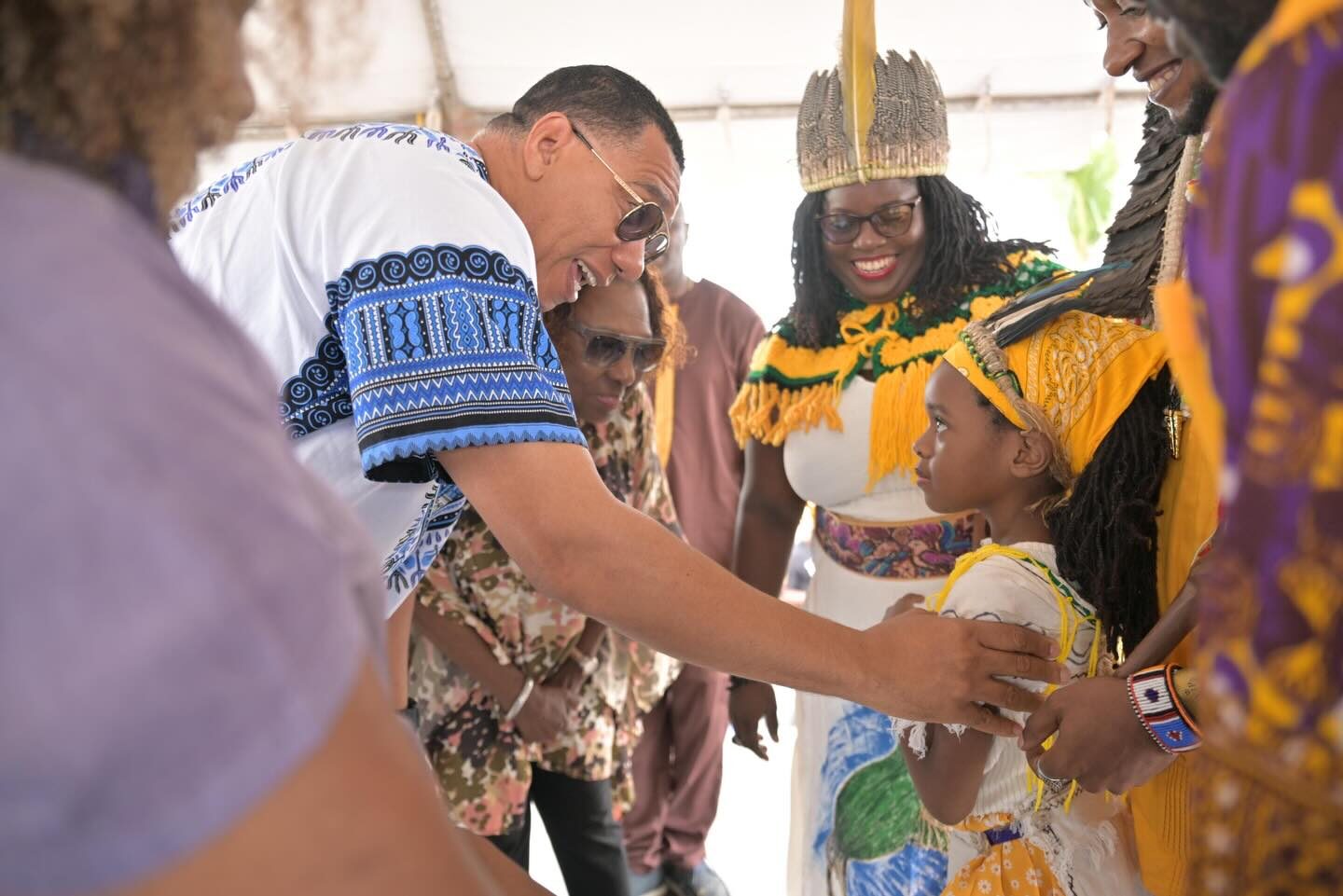
Holness’s presence at the celebrations came against the backdrop of recent public disagreements between the Government and Accompong’s leadership, particularly Maroon Colonel Richard Currie. Tensions had flared in recent weeks over the deployment of armed Jamaica Defence Force conducting work after the passage of Hurricane Melissa.
However, observers noted that Treaty Day appeared to provide a moment of pause and mutual respect. Despite the earlier exchanges, both Prime Minister Holness and Richard Currie set aside public differences to participate in the historic commemoration, signalling a shared recognition of the importance of unity and dialogue on a day rooted in a significant moment in Jamaica’s history.

Community members and cultural advocates welcomed the gesture, viewing it as an acknowledgment that while disagreements may arise, the history of the Maroons transcends contemporary political disputes. Many emphasized that Treaty Day is not only a celebration of the past but also a reminder of ongoing conversations about identity, justice, and the place of Maroon communities within modern Jamaica.
As drums echoed through Accompong and ancestral rituals unfolded, the 288th Treaty Day reinforced a powerful message: the Maroon story remains central to Jamaica’s national narrative.