
U.S. Congressman Threatens Jamaica — Sparks Outrage Over Sovereignty and Caribbean Independence
Jamaica Live News Desk– | Feb 26, 2026
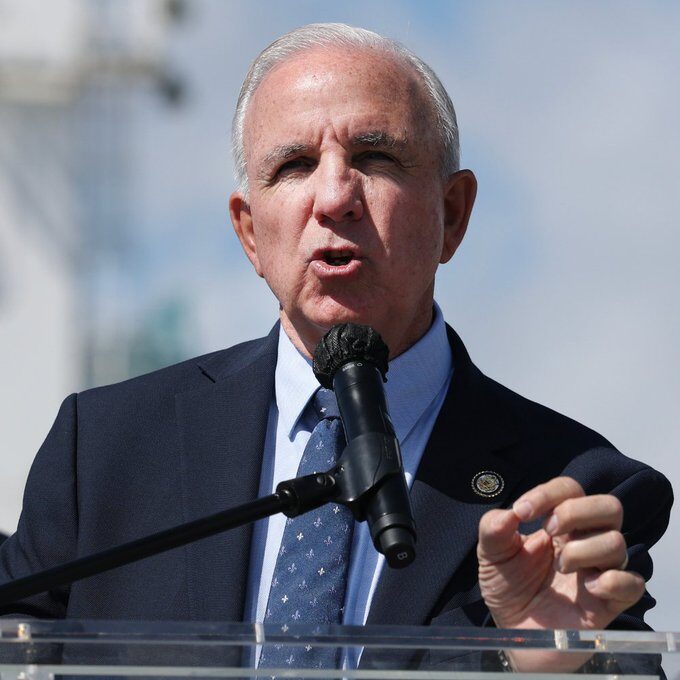
A diplomatic storm is brewing after Florida Congressman Carlos A. Giménez publicly threatened Jamaica following remarks by Prime Minister Andrew Holness on the crisis in Cuba.
In a strongly worded social media post, Giménez accused Jamaica’s governing Jamaica Labour Party (JLP) of “covering up for the moribund dictatorship in #Cuba” and warned ominously:
“Jamaica will face the consequences!”
The statement came in response to Holness’ address at CARICOM>, where the Prime Minister struck a measured tone — acknowledging Cuba’s historic support to the Caribbean while expressing concern about the island’s deepening economic and humanitarian crisis.
Holness made clear that Jamaica stands for democracy, human rights, accountability, and open market economies. At the same time, he urged constructive dialogue between Cuba and the United States, warning that instability in Cuba could trigger migration, security, and economic ripple effects across the Caribbean.
Nowhere did the Prime Minister endorse authoritarianism. Nowhere did he excuse repression. Instead, he called for stability, reform, and relief for suffering Cuban citizens.
Yet Giménez’s response framed Jamaica’s position as partisan betrayal — and escalated matters by implying punitive consequences.
🇯🇲 Jamaicans Push Back: “We Owe You No Explanation”
The reaction from Jamaicans online was swift and fierce.
“JAMAICA NO FOLLOW NOBODY!” one commenter wrote bluntly.
Patrick A. Stern added:
“We, the people of Jamaica owe you no explanation neither do we need your permission to act, as we deem fit and proper, in matters of our relationship with other sovereign nations.”
Another user, Red&Dread, invoked historical memory:
“The US’s own CIA was heavily involved in destabilizing the Jamaican economy and the govt of the late Michael Manley. Why do you people feel the need to lie so much and involve themselves in other countries. Deal with American politics and leave Jamaica alone.”
But perhaps one of the most pointed responses came from E. Marie James, who addressed Giménez directly:
“No, Sir! Our Prime Minister is calling for dialogue and for relief for the Cuban people who are suffering. For you to threaten that he will face consequences is unacceptable. You need to know that the US is an ally, but the Jamaican people will stand with the people of Cuba.”
Her words captured the sentiment spreading across social platforms: Jamaica values its alliance with the United States — but not at the cost of its independence.
🇹🇹 Regional Pressure Politics?
Giménez further intensified the controversy by posting a photo alongside U.S. Senator Marco Rubio and Trinidad and Tobago Prime Minister Kamla Persad-Bissessar, praising Trinidad & Tobago for governing with “moral clarity” and strengthening ties with Washington.
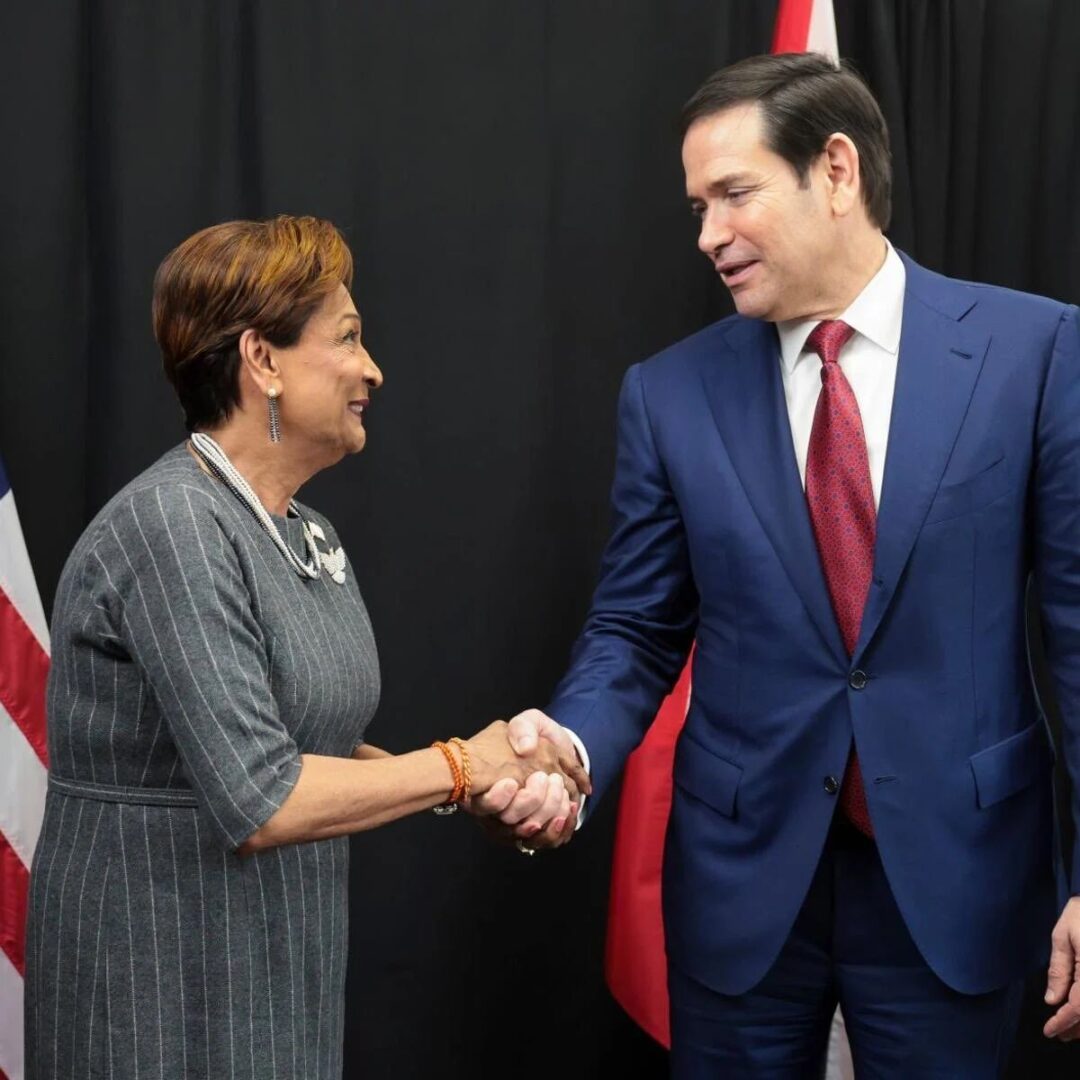
He suggested other Caribbean nations should “follow the lead.”
Despite deep divisions within the Caribbean over U.S. foreign policy, Kamla Persad-Bissessar has emerged as one of Washington’s most vocal regional partners. At the recent CARICOM summit, she publicly backed closer engagement with the United States on security and regional issues, including discussions on Cuba and Venezuela, and was publicly thanked by U.S. officials for her support of U.S. actions in the South Caribbean Sea. Persad-Bissessar has defended U.S. military cooperation and anti-narcotics operations, rejecting criticisms that such measures amount to extrajudicial violence, and has called for democratic reforms in Cuba while aligning her foreign policy more closely with U.S. priorities — a stance that contrasts sharply with other Caribbean leaders who call for neutrality and regional unity.
To many Jamaicans, the implication was unmistakable: align fully with U.S. hardline Cuba policy — or face consequences.
Such rhetoric raises uncomfortable questions. Is Caribbean diplomacy now to be graded publicly by U.S. lawmakers? Are sovereign governments to be pressured through social media posts?
🌎 The Bigger Question: Sovereignty or Submission?
The Caribbean has long walked a diplomatic tightrope — maintaining economic ties with the United States while preserving historic, cultural, and developmental relationships with Cuba.
Cuba has provided thousands of doctors, nurses, and teachers across the region, including Jamaica. At the same time, Caribbean governments have consistently voiced concerns about democratic governance and economic reform in Havana.
Holness’ remarks at CARICOM reflected that nuanced balance.
Giménez’s warning disrupted it.
For many observers, the issue is not about defending Cuba’s political system. It is about defending Jamaica’s right to articulate its own foreign policy without threats from foreign officials.
Public threats — especially from a member of the U.S. Congress — risk inflaming regional sensitivities and reinforcing perceptions of heavy-handed intervention in Caribbean affairs.
If the United States is indeed an ally, critics argue, diplomacy — not intimidation — should define the relationship.
As tensions reverberate online, one reality remains clear:
Jamaica is a sovereign nation. And Jamaicans are not shy about saying so. 🇯🇲