

No Nobel, No Peace? Trump Letter to Norway Sends Shockwaves Through Europe
Jamaica Live International News– | Jan 19, 2026
A controversial letter sent by President Donald Trump to Norwegian Prime Minister Jonas Gahr Støre has ignited fresh diplomatic tensions across Europe, after Trump explicitly linked his renewed push for U.S. control of Greenland to his failure to receive the Nobel Peace Prize.
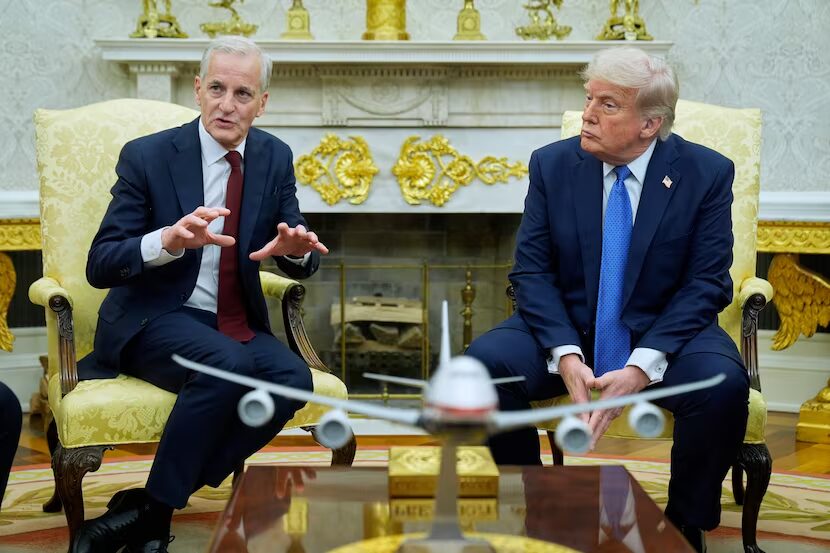
Mark Schiefelbein / AP
The letter, reportedly circulated among NATO allies and diplomatic missions in Washington, adopts an unusually blunt and personal tone. Trump argues that because Norway “decided not to give” him the Nobel Peace Prize, he no longer feels obligated to think “purely of peace,” instead prioritizing what he describes as U.S. strategic interests. While the Nobel Prize is awarded by an independent Norwegian committee—not the Norwegian government—the letter appears to conflate the two, drawing immediate criticism from European officials and diplomats.
Central to the letter is Trump’s assertion that global security requires “complete and total control of Greenland” by the United States. He questions Denmark’s historical claim to the island, dismissing centuries-old sovereignty arguments and warning that Denmark cannot adequately protect Greenland from rivals such as Russia or China. The remarks revive Trump’s long-standing fixation on Greenland’s strategic value, including its Arctic location, mineral resources, and proximity to major transatlantic military routes.
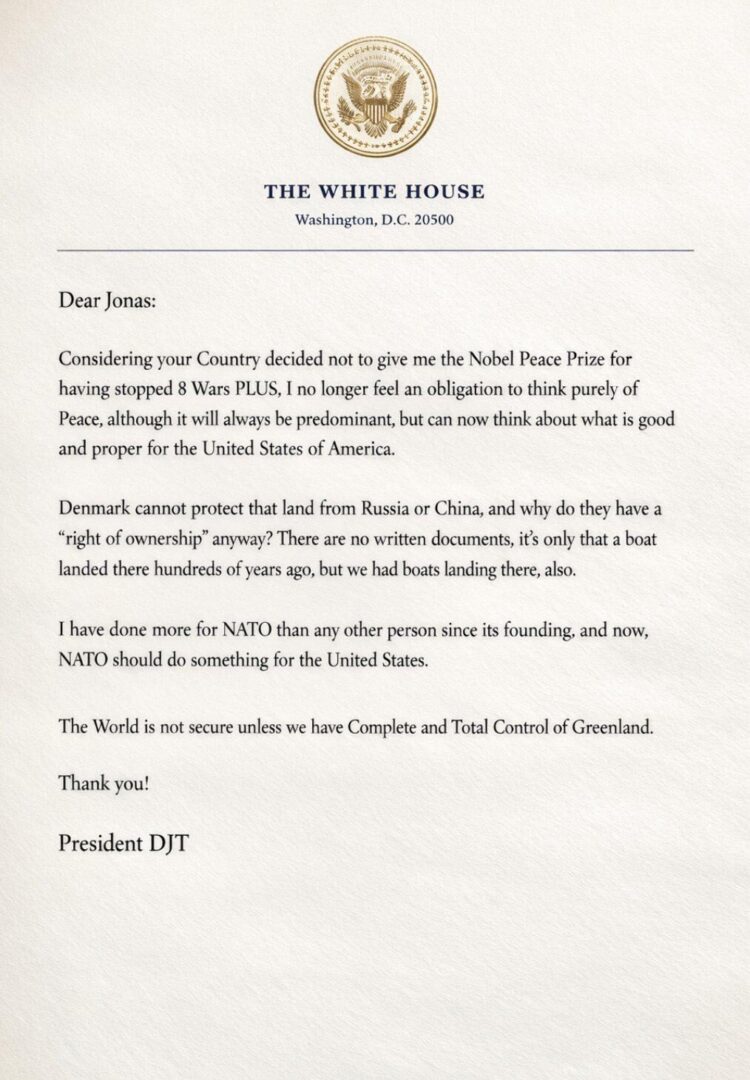
Trump also invokes his record with NATO, claiming he has done more for the alliance than any leader since its founding and insisting NATO should now act in America’s interest. European officials view this framing as a pressure tactic—linking U.S. security commitments to territorial demands that challenge international law and existing alliances.
The letter was sent to Norway because the Nobel Peace Prize is administered in Oslo by the Norwegian Nobel Committee, whose members are appointed by Norway’s Parliament. However, the committee operates independently of the Norwegian government. The Nobel Foundation, which oversees all Nobel Prizes and safeguards Alfred Nobel’s will, has emphasized that governments play no role in selecting laureates. As a result, Norway’s prime minister has no authority over Nobel Peace Prize decisions, a distinction that diplomats note appears to have been overlooked in Trump’s letter.
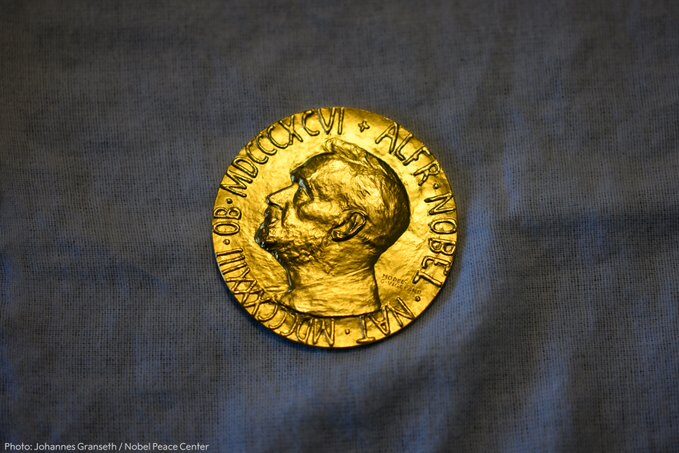
An official statement posted January 18, on the Nobel Peace Prize’s X account reiterated that one of the Nobel Foundation’s core missions is to protect the integrity and dignity of the Nobel Prizes and their administration. In accordance with Alfred Nobel’s will, the prizes are awarded to those who have conferred the greatest benefit to humankind. The Foundation stressed that each prize is awarded by a designated body and that a Nobel Prize cannot, under any circumstances—including symbolically—be transferred, shared, or passed on to another individual.
The reaction in Europe has been swift and uneasy. Norwegian officials have declined to comment directly on the letter’s tone, while Danish leaders have reiterated that Greenland is not for sale and that its future rests with the Greenlandic people. Diplomats privately describe the letter as alarming, not only for its content but for its explicit suggestion that peace is conditional on personal recognition and geopolitical concessions.
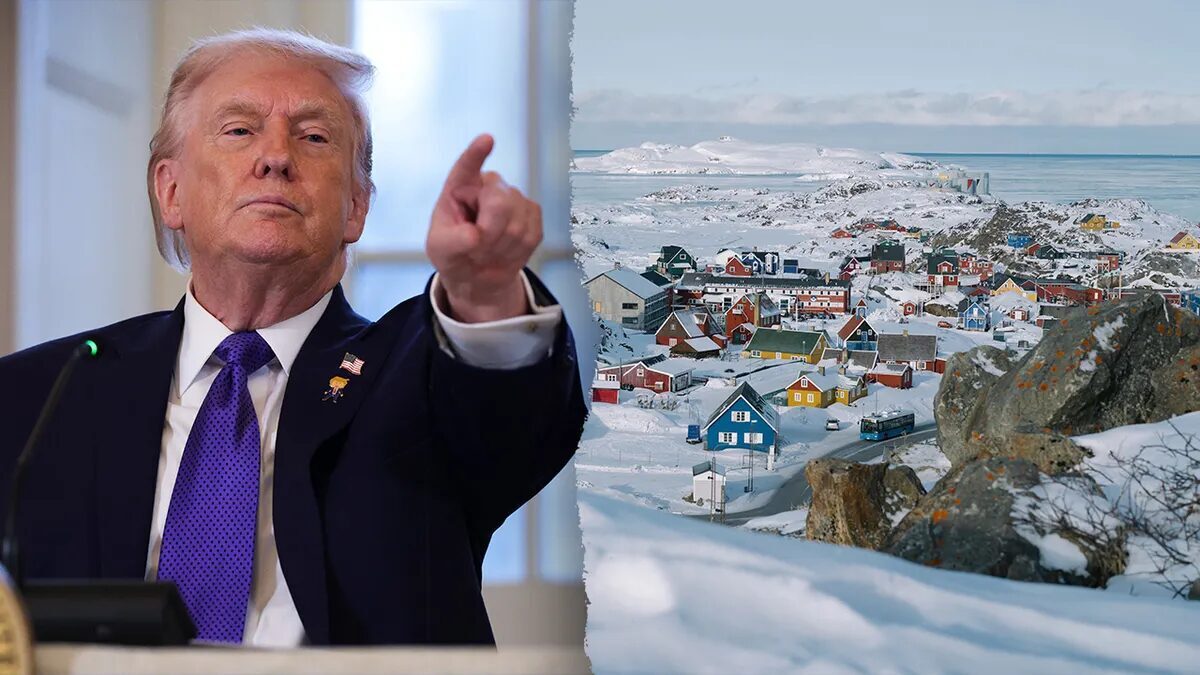
Beyond Greenland, the episode raises broader questions about the future of transatlantic relations. Critics warn that personalizing diplomacy and tying global security to individual grievances undermines long-standing norms of international cooperation. Supporters, however, argue the letter reflects Trump’s transactional worldview and willingness to openly challenge what he sees as outdated arrangements.
As tensions simmer, the letter stands as a stark reminder that Arctic geopolitics, NATO unity, and U.S.–Europe relations remain deeply intertwined—and increasingly volatile. Whether the remarks translate into concrete policy moves or remain rhetorical provocation, they have already succeeded in unsettling allies and reopening debates many thought had been settled.
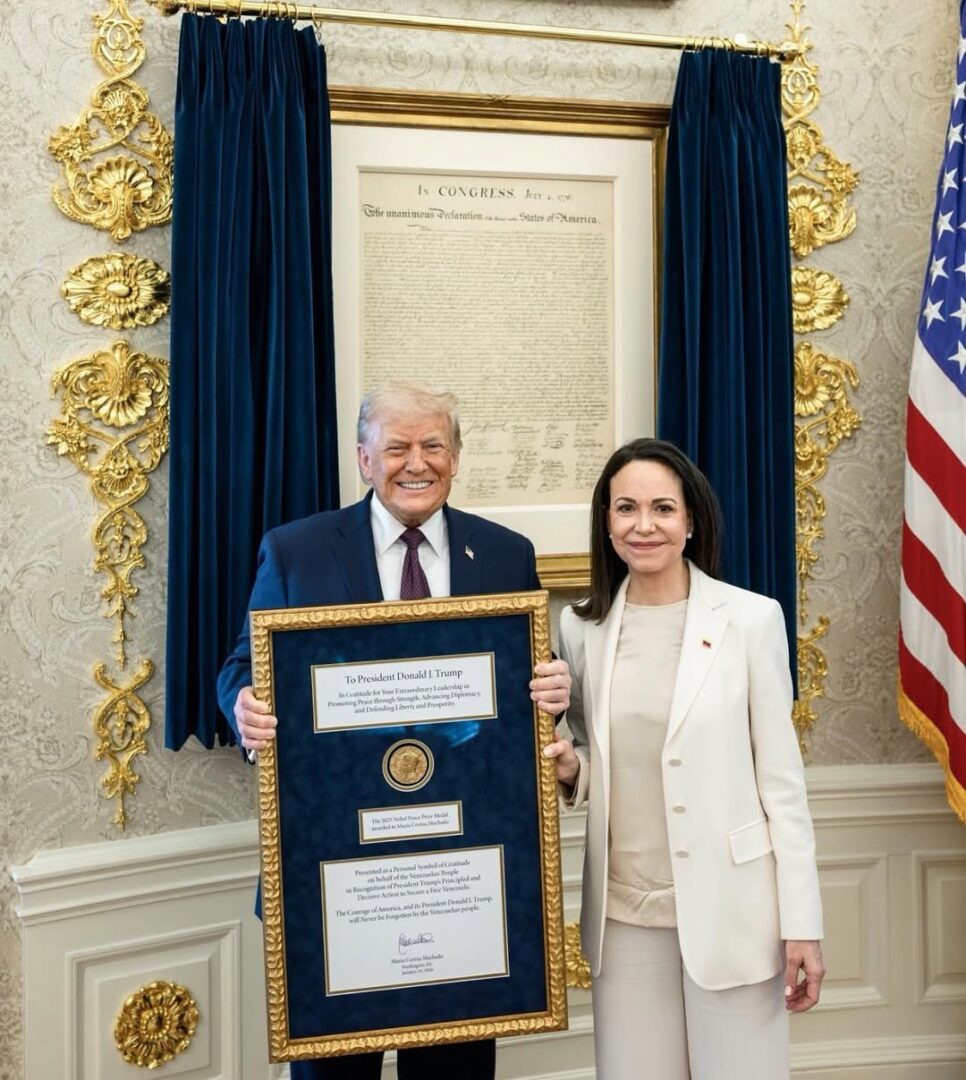
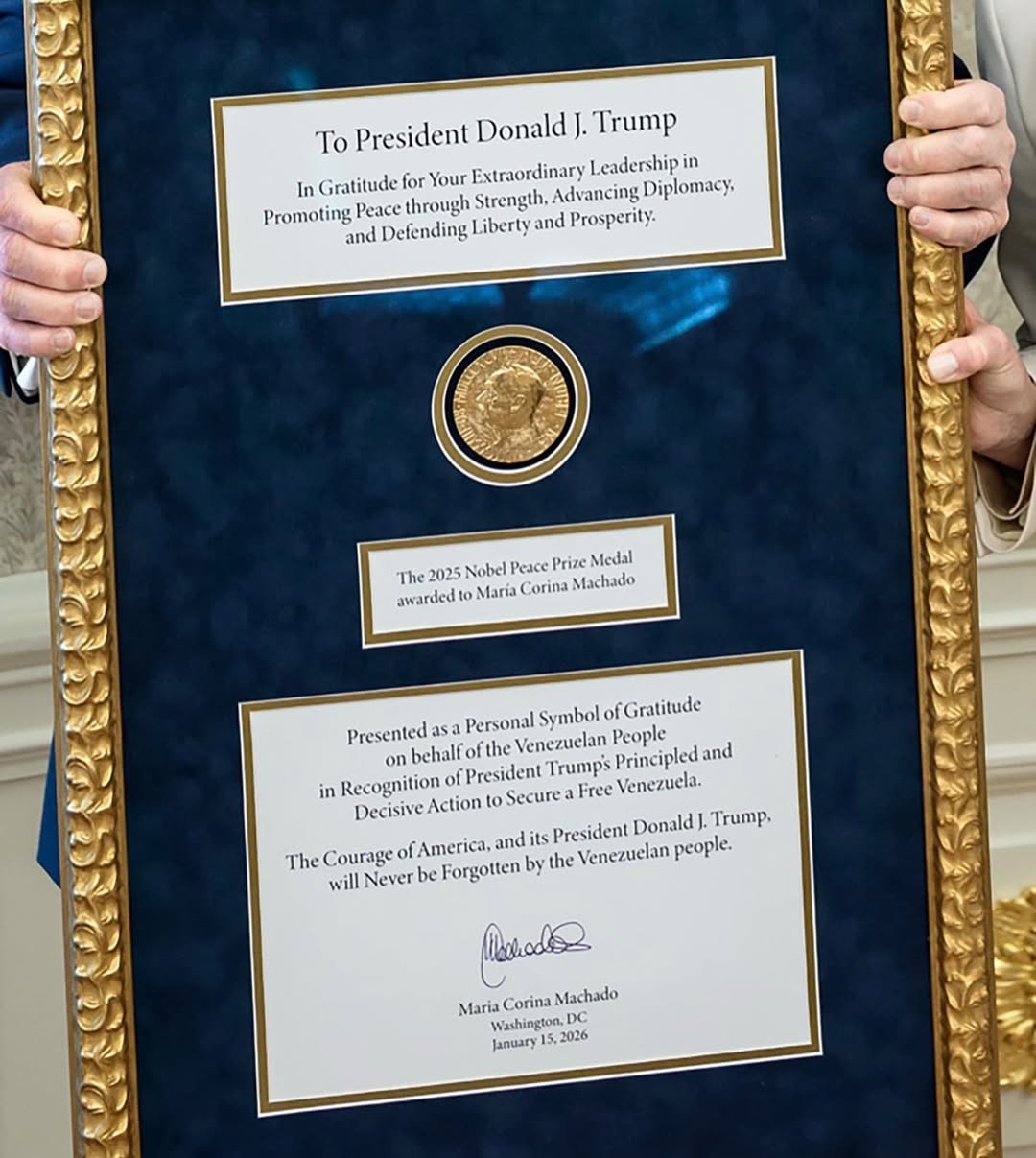
In a highly unusual diplomatic moment, Venezuelan opposition leader María Corina Machado, who won the 2025 Nobel Peace Prize for her work advancing democracy in Venezuela, presented her Nobel Peace Prize medal to Donald Trump during a meeting at the White House. Machado described the gesture as a symbolic tribute to Trump’s support in Venezuela’s political struggle, and Trump publicly accepted the medal, calling it a “wonderful gesture of mutual respect.” However, the Norwegian Nobel Committee and the Nobel Foundation clarified that while the physical medal can change hands, the honor of the Nobel Peace Prize itself remains inseparably tied to the original laureate and cannot be transferred or reassigned.