

Maduro Capture Controversy: Claims of an Unpaid Reward After Alleged Betrayal by His Own Driver and Bodyguard
Jamaica Live Regional News – | Mar 15, 2026
Fresh allegations emerging in early 2026 suggest that the dramatic capture of Venezuelan president Nicolás Maduro may have involved betrayal from within his own security circle.
Maduro was seized by U.S. special forces during a controversial military operation on January 3, 2026, and flown to the United States where he now faces federal charges related to narcoterrorism and drug trafficking. The operation, reportedly involving elite U.S. commandos and extensive intelligence planning, sparked global debate over sovereignty and international law.
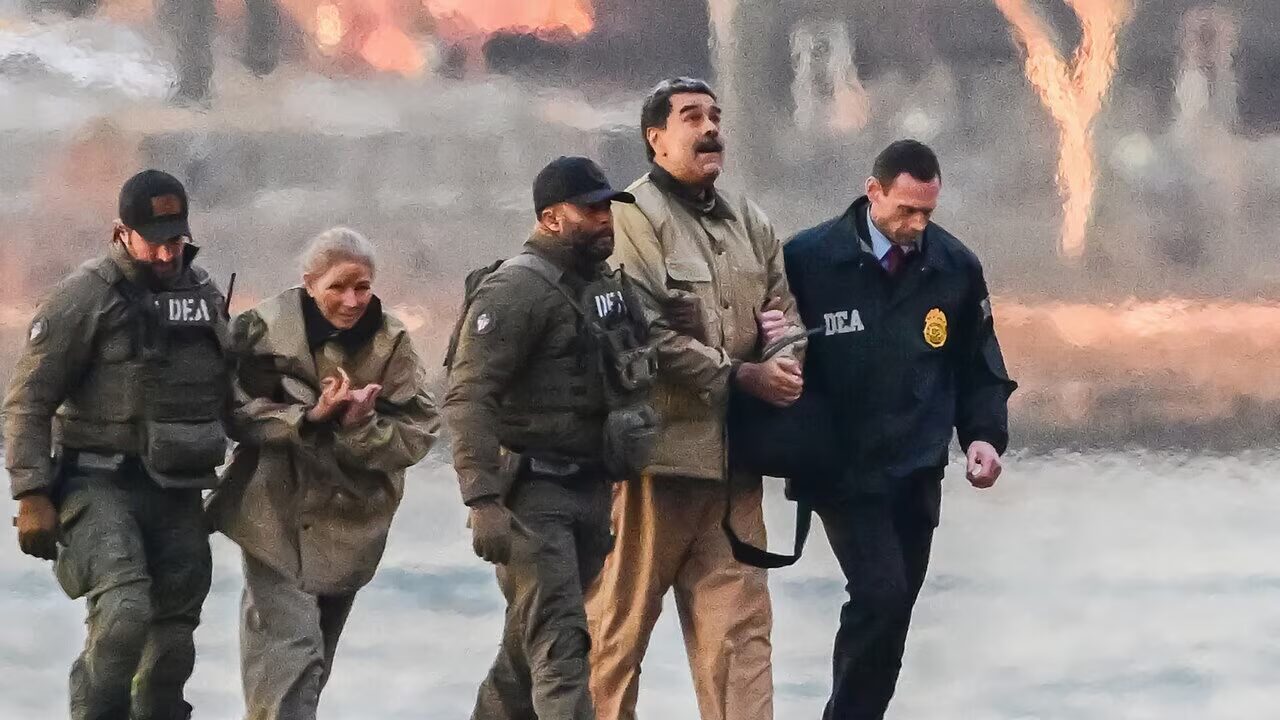
However, reports circulating in political and media circles claim the raid may have been aided by insiders close to the Venezuelan leader. According to the allegations, Maduro’s personal driver and one of his bodyguards allegedly provided critical information to U.S. authorities that helped facilitate the military operation leading to his capture.
Allegations of Betrayal
The reports suggest that the two individuals secretly cooperated with U.S. officials and were promised a reward for assisting in the operation. The United States had previously placed a massive $50 million bounty on Maduro for information leading to his arrest, the largest reward ever offered for a sitting head of state. The $50 million combined with promises of protection and relocation, may have encouraged individuals inside the Venezuelan regime to cooperate with American authorities.
Several reports—including commentary from regional officials and foreign media—have suggested that Maduro’s capture may not have been solely the result of outside military force. Instead, they claim insiders within the government or security structure may have assisted the operation.
Sources claim the driver and bodyguard provided intelligence about Maduro’s movements, security arrangements, or location—information that allegedly allowed U.S. forces to carry out the highly targeted strike.
According to reports, a CIA source embedded within the Venezuelan government closely monitored Nicolás Maduro’s daily routine and movements. This intelligence, often referred to as tracking his “pattern of life,” reportedly provided U.S. forces with critical information about his location in the days and moments leading up to the raid.
Key Insider Figure:
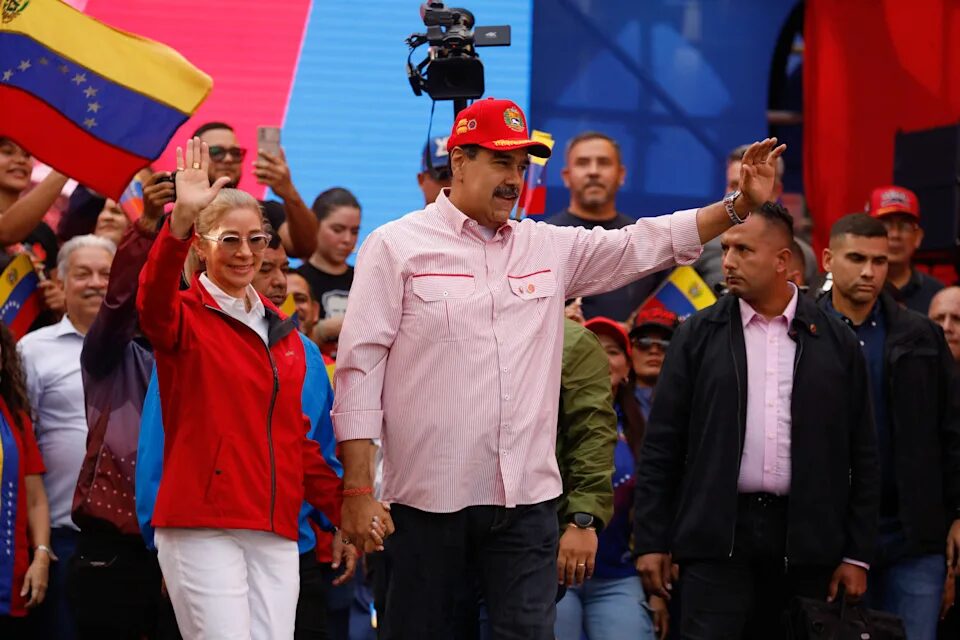
Some accounts reference a mysterious individual identified only as “Bob,” described as a senior figure close to Maduro who allegedly played a pivotal role in facilitating the operation.
Technical Support Inside Venezuela:
Sources also claim that a covert network inside the country helped prepare the ground before the U.S. special forces arrived. This reportedly included placing technical equipment such as communications jammers and surveillance tools to disrupt Maduro’s security systems.
Claims of an Unpaid Reward
Despite the alleged cooperation, claims have surfaced that the individuals have not received the reward they were promised. Following Maduro’s capture, some U.S. officials indicated that the bounty would not be paid because the arrest resulted from a direct military operation rather than a tip leading to a standard law-enforcement capture.
These reports have fueled speculation and controversy, particularly among critics who argue that informants may have been used and then abandoned.
Maduro’s Son Warns of Betrayal:
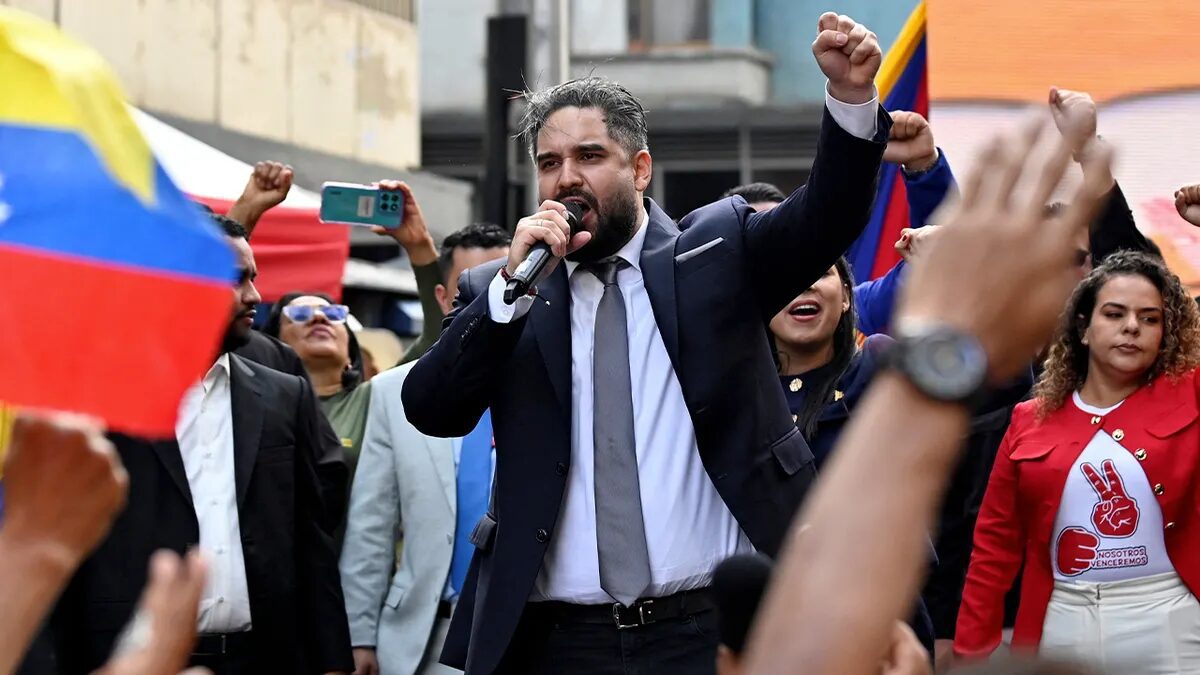
Shortly after the capture, Maduro’s son, Nicolás Maduro Guerra, suggested the possibility of internal treachery, warning that “history will expose those responsible.”
Safety Concerns in Venezuela
Adding to the controversy are reports that the alleged collaborators were left inside Venezuela after the operation. If true, analysts warn they could face severe retaliation from Maduro loyalists or elements of Venezuela’s security forces who view the capture as an act of treason.
The Venezuelan government has denounced the U.S. operation as an illegal abduction and continues to insist that Maduro remains the country’s legitimate president.
Legal Battle in the United States
Meanwhile, Maduro remains in U.S. custody awaiting trial in federal court. His legal team has argued that the U.S. administration is blocking Venezuelan state funds from being used to pay for his defense, raising questions about how the former leader will finance his legal battle.
As the case unfolds, the allegations of betrayal inside Maduro’s inner circle—whether confirmed or not—are likely to deepen the intrigue surrounding one of the most dramatic geopolitical operations in the Americas in decades.
Regime Figures Still in Power:
Despite the allegations of betrayal, several senior officials in Maduro’s government survived the operation. These include Vice President Delcy Rodríguez and Defense Minister Vladimir Padrino López, raising questions about who could ultimately control the government in the power vacuum left behind.