

Owe Child Support? The U.S. Government May Take Your Passport
Jamaica Live International News– | Feb 10, 2026
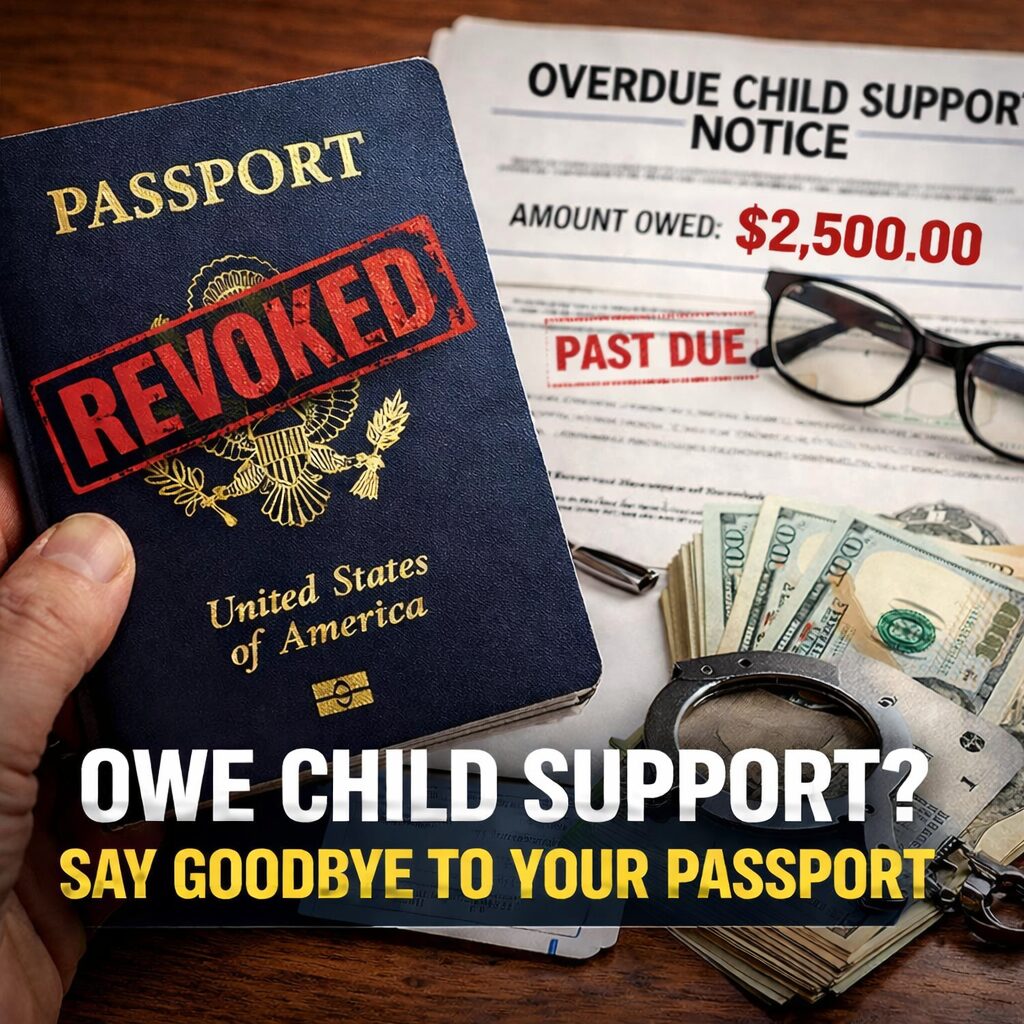
The U.S. State Department is significantly expanding enforcement of a 1996 federal law that allows the government to deny or revoke passports for parents who owe more than $2,500 in overdue child support — part of a broader effort to compel payment from delinquent parents. The Trump administration is intensifying enforcement of a three-decade-old federal law that permits the government to revoke U.S. passports for individuals with unpaid child support, according to three officials who spoke with The Associated Press.
What’s Changing
Under the historic Passport Denial Program, federal law already authorizes the denial or revocation of U.S. passports for individuals with substantial child support arrears. Previously, passport action was typically triggered only when a person applied for a new passport, renewed an existing one, or requested certain consular services.
Now, the State Department will proactively revoke passports on its own initiative using arrears data provided by the U.S. Department of Health and Human Services (HHS), rather than waiting for a passport application to be filed. This marks a major shift toward aggressive enforcement.
Who Is Affected and How
- Threshold for Action: Individuals who owe more than $2,500 in unpaid child support have long been eligible for passport denial under federal law — codified in the Personal Responsibility and Work Opportunity Reconciliation Act of 1996.
- Initial Focus: The new enforcement will begin with parents who owe particularly large sums in arrears. Officials say those with more than $100,000 delinquent could be the first group targeted. Fewer than 500 people currently fall into this highest tier, and they might avoid revocation by entering a payment plan with HHS after notification.
- Expansion Over Time: Once the process is established, the State Department could lower the arrears threshold, potentially affecting thousands of passport holders with significant debt.
Why the Move Now
This effort reflects an intensified push by the administration to enforce long-standing child support laws and collect past-due payments. Since the passport denial authority was created, the Passport Denial Program has helped secure nearly $621 million in overdue child support.
Officials say the expanded use of automatic revocations is intended to strengthen compliance with financial obligations and ensure parents meet their legal responsibilities to their children.
How Parents Can Restore Passport Privileges
Parents whose passports are revoked or denied won’t be permanently barred from travel. To restore their passport rights, they must either:
- Pay the full outstanding child support balance, or
- Establish an approved payment plan with their state child support enforcement agency.
Once an arrearage is resolved or a payment plan accepted, the state agency will notify HHS, which then informs the State Department. Under current processing timelines, this clearing process can take about 2–3 weeks before the passport is reinstated.
What Lies Ahead
Officials have not yet announced a firm timeline for when these enforcement changes will go into effect or when lower arrears thresholds might be implemented. However, the heightened scrutiny is expected to affect a broad swath of individuals with substantial child support debt — particularly as the program moves beyond its initial focus on the highest debt brackets.