

Washington Moves to Dictate How the Caribbean Trains Its Doctors
Jamaica Live Regional News – | Jan 02, 2026
Prime Minister Philip J Pierre has revealed that Washington has formally called on Saint Lucia to stop sending its nationals to study medicine in Cuba — a request he described as a “major problem” for the island’s already strained healthcare system.
Speaking at the Second World Congress on Racial and Ethnic Health Disparities in Castries, Pierre said the country now faces a difficult diplomatic and public-health crossroads.
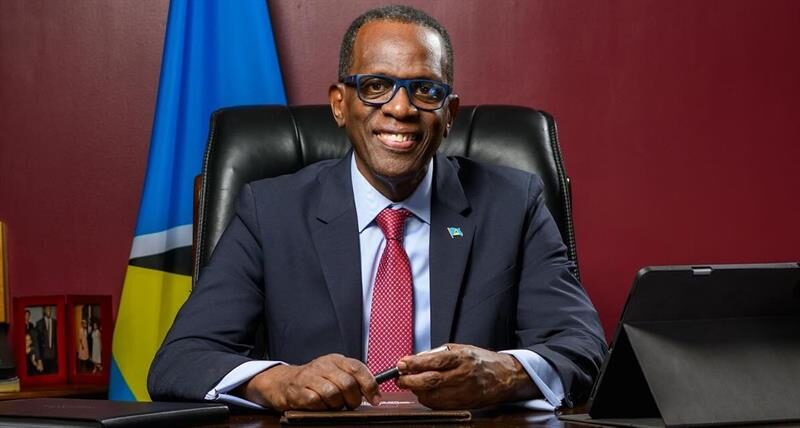
“Many of our doctors got trained in Cuba, and now the great United States has said we can’t do that any longer… This is a major problem I have to face,” Pierre told delegates.
For decades, Cuba has provided low-cost or fully funded medical training opportunities to Caribbean students, including many from Saint Lucia, helping to fill critical gaps in regional healthcare systems where the cost of foreign medical education is often prohibitive.
But last month, the United States Embassy in Barbados issued a pointed statement alleging that Cuba’s overseas medical missions rely on “coercion and abuse,” citing claims of withheld wages, confiscated passports, surveillance, and unsafe working conditions for Cuban medical workers abroad.
Those assertions have now spilled into Saint Lucia’s domestic policy space.
Pierre noted that the issue goes beyond students. Cuban medical professionals currently working in Saint Lucia could also be affected by the shifting US position.
“We also have Cubans who come over to work. So the American government has said we can’t even train them in Cuba. So I have a major issue on my hands.”
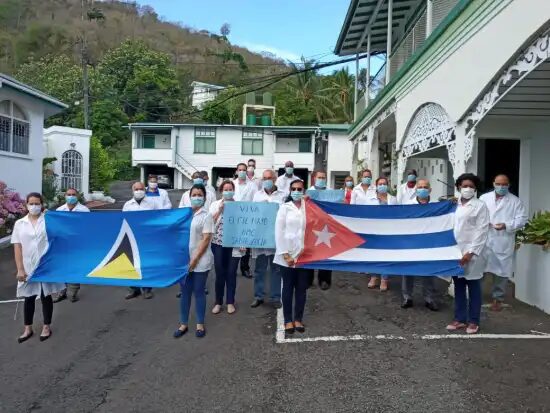
The St Jude Hospital Dilemma
The timing of this diplomatic pressure is especially sensitive. Pierre highlighted the long-delayed reopening of St Jude Hospital in Vieux Fort, estimating commissioning costs at US$50 million — well beyond what the national budget can absorb.
His administration is now exploring the Citizenship by Investment Programme (CBI) as a funding bridge, allowing foreign investors to gain Saint Lucian citizenship through major socio-economic contributions.
“These disparities, apart from social and economic, must filter down into our health care system,” Pierre said, linking healthcare challenges to broader development pressures.
Saint Lucia’s situation reflects a wider tension playing out quietly across the Caribbean, where Cuban medical missions have long supported national health services, while Washington has intensified scrutiny of Havana’s international programmes.
Pierre’s remarks signal that small island states may soon have to navigate an uncomfortable choice between longstanding healthcare lifelines and new geopolitical expectations.
As Saint Lucia weighs its options, one reality is clear: the decision is not simply about where doctors study — but about who will staff the hospitals, how they will be funded, and which global power shapes the future of Caribbean healthcare.
Jamaica’s medical and diplomatic ties with Cuba stretch back to the 1970s under Prime Minister Michael Manley, when Kingston and Havana forged close cooperation in health, education, and technical support. That era laid the foundation for decades of Cuban-trained Jamaican doctors and the presence of Cuban medical professionals in underserved communities across Jamaica. Because this relationship is historical, institutional, and deeply woven into the public health system, any external pressure aimed at limiting Cuban medical pathways would not be a simple policy adjustment for Jamaica, but a shift touching long-standing partnerships and the practical staffing of hospitals and clinics nationwide.