

Jamaica Among 75 Countries Hit by New U.S Immigrant Visa Freeze
Jamaica Live News Desk– | Jan 14, 2026
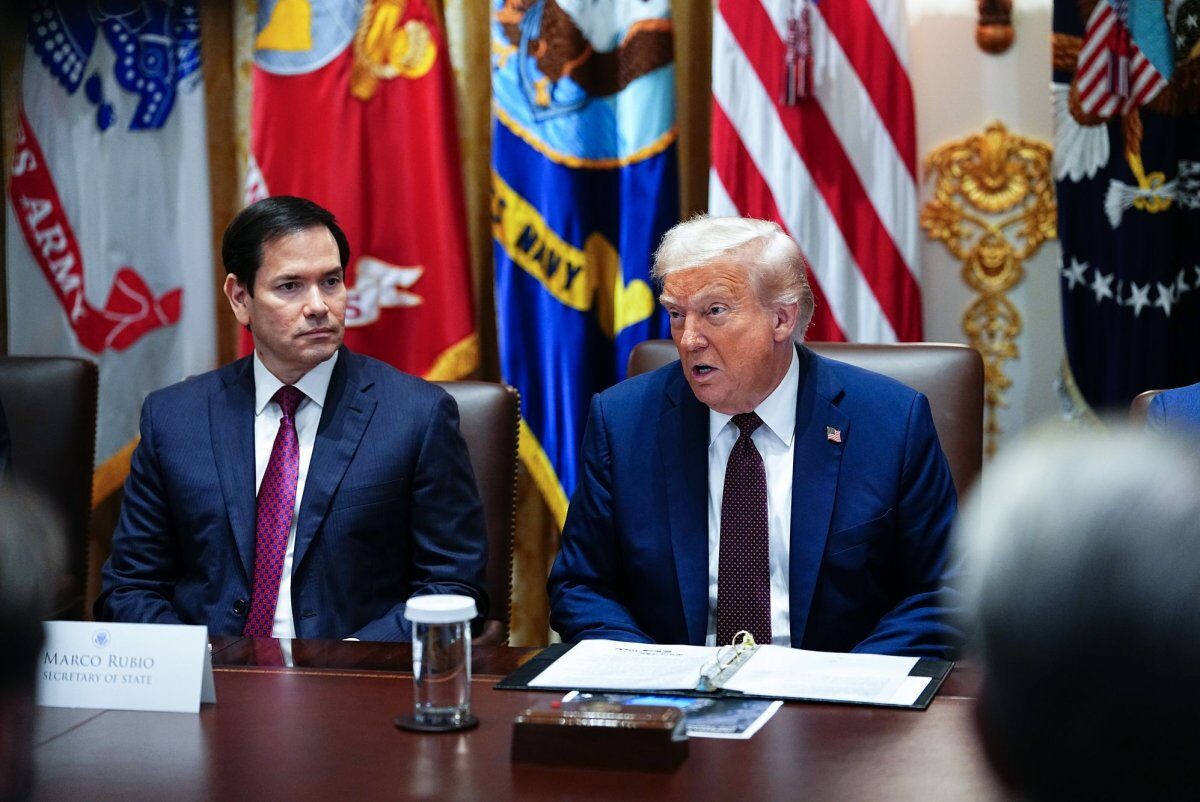
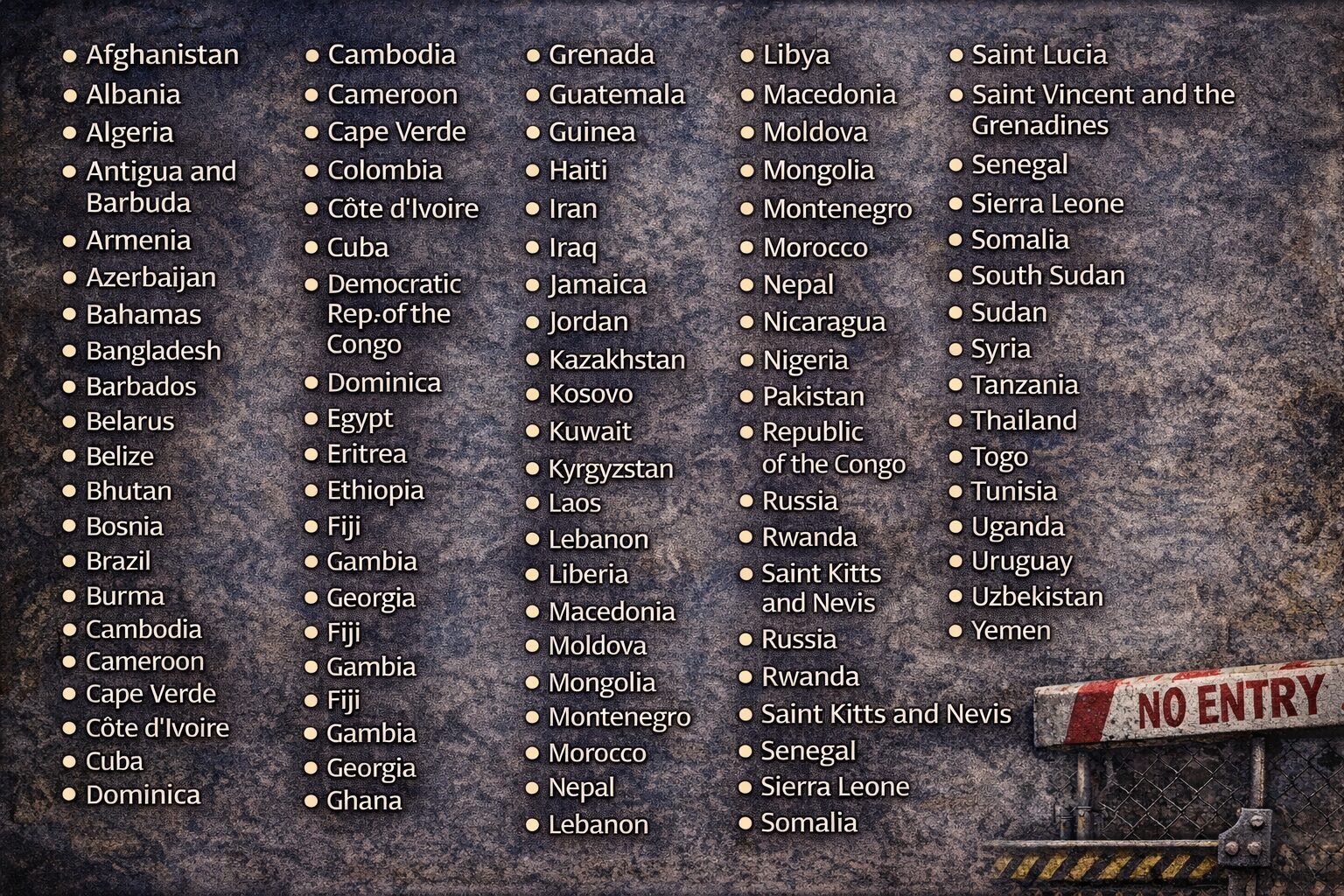
The United States government has confirmed that visa processing for citizens of 75 countries will be suspended indefinitely. There will be no processing of new immigrant visas for Jamaica and dozens of other countries, triggering concern across the Caribbean and the wider Global South. The U.S. State Department confirmed that, effective January 21, consular posts have been instructed to pause new immigrant visa approvals for 75 countries, including Jamaica, as Washington rolls out stricter screening measures aimed at blocking applicants deemed likely to become a “public charge.”
Under the new guidance, U.S. consular officers are now required to deny visas based on a range of factors, including age, health status, financial stability, English proficiency, prior use of government assistance, and potential long-term medical needs. A “public charge” refers to someone the U.S. government believes is likely to rely mainly on public assistance such as welfare, Medicaid, or housing subsidies after arriving in the country.
State Department spokesperson Tommy Piggott said the move is designed to prevent what officials describe as the “exploitation of U.S. public resources,” adding that the pause will remain in place indefinitely while vetting procedures are reviewed and tightened.
For Jamaica and the Caribbean, the implications are significant. Along with Jamaica, the affected regional countries include Antigua and Barbuda, The Bahamas, Barbados, Belize, Dominica, Grenada, Haiti, Saint Kitts and Nevis, Saint Lucia, and Saint Vincent and the Grenadines. Thousands of Caribbean families are currently in various stages of the immigrant visa pipeline, including family reunification cases that may now face prolonged uncertainty.

Immigration advocates warn that the policy effectively shifts U.S. immigration standards from legal eligibility to economic profiling, disproportionately impacting working-class migrants, elderly parents being sponsored by relatives, and people with medical conditions. Caribbean migration patterns have long been driven by family ties, education, and economic opportunity, with remittances from the diaspora playing a crucial role in regional economies.
The pause does not affect tourist visas, student visas, or temporary work visas, but it strikes at the heart of permanent migration and family reunification, which have been central to Caribbean-U.S. relations for generations.
As Washington tightens its gates, Caribbean governments and diaspora groups are expected to push back, arguing that migrants contribute far more to the U.S. economy than they ever take out—and that this policy risks separating families and destabilizing already vulnerable communities.
Jamaica Live will continue to monitor this developing story and its impact on Jamaican and Caribbean families worldwide. 🇯🇲