

Playing God with the Planet: The Dangerous Push to Block the Sun
The global climate crisis has unleashed a wave of radical proposals—pushed not only by scientists and governments, but by billionaires who see opportunity in planetary chaos. But none is more controversial—or more dangerous—than the idea of dimming the sun. Yes, you read that correctly. A growing scientific movement is studying whether humanity can cool the planet by blocking, reflecting, or reducing sunlight before it reaches Earth.
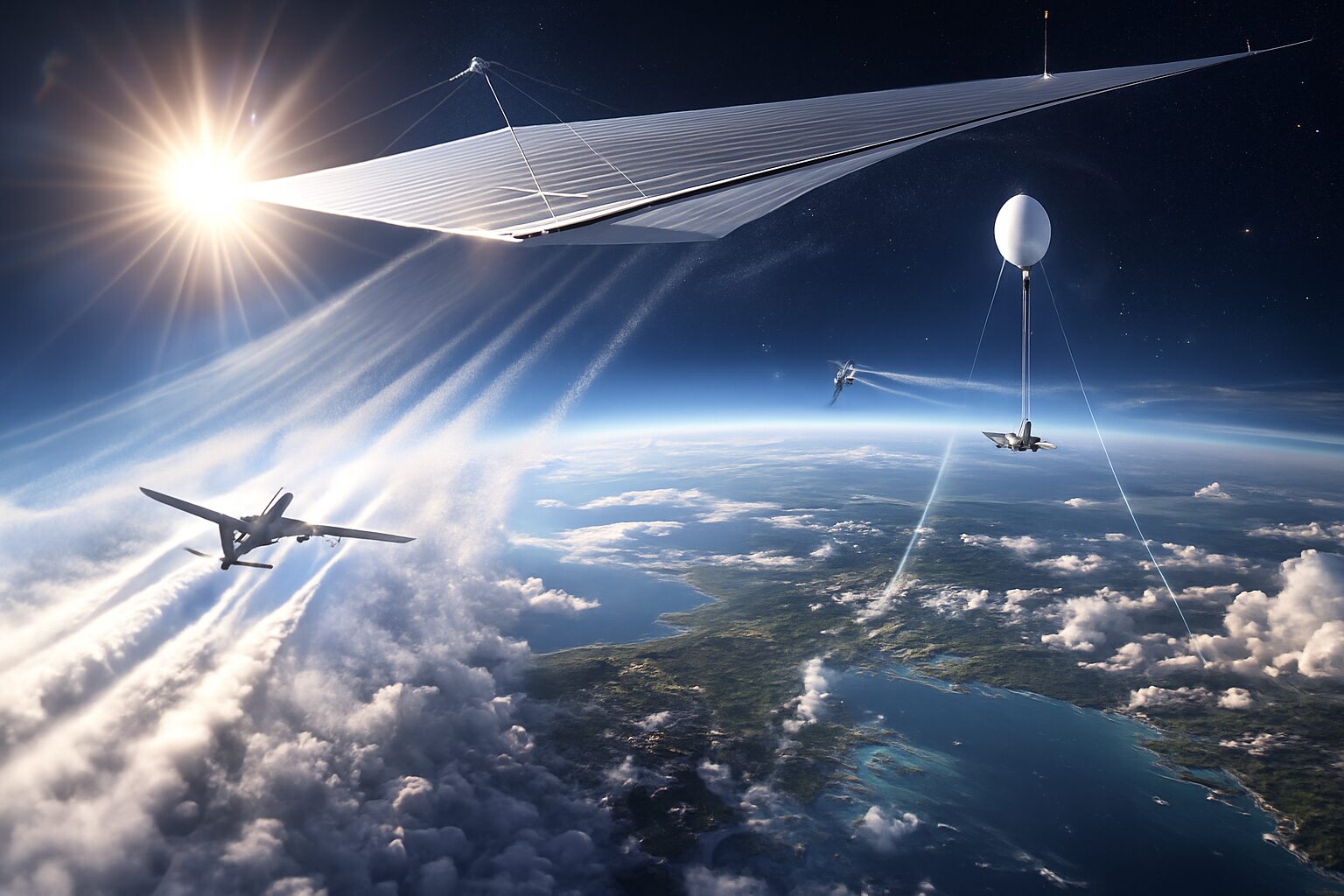
But while the planet is warming at an alarming rate, this extreme approach raises the most profound question: Should humans interfere with the very star that keeps all life alive?
The Sun powers the weather, feeds the crops, regulates the oceans, drives the water cycle, and sustains every living thing. To tamper with it is to gamble with the entire planetary system. The unintended consequences could be catastrophic—and irreversible.
But while the climate crisis is a real and urgent threat, so is the danger of tampering with the very force that sustains all life on our planet. The Sun is the primary source of energy for every ecosystem, every crop, every weather pattern, and every living organism on Earth. Any attempt to reduce its natural intensity comes with catastrophic unknowns.
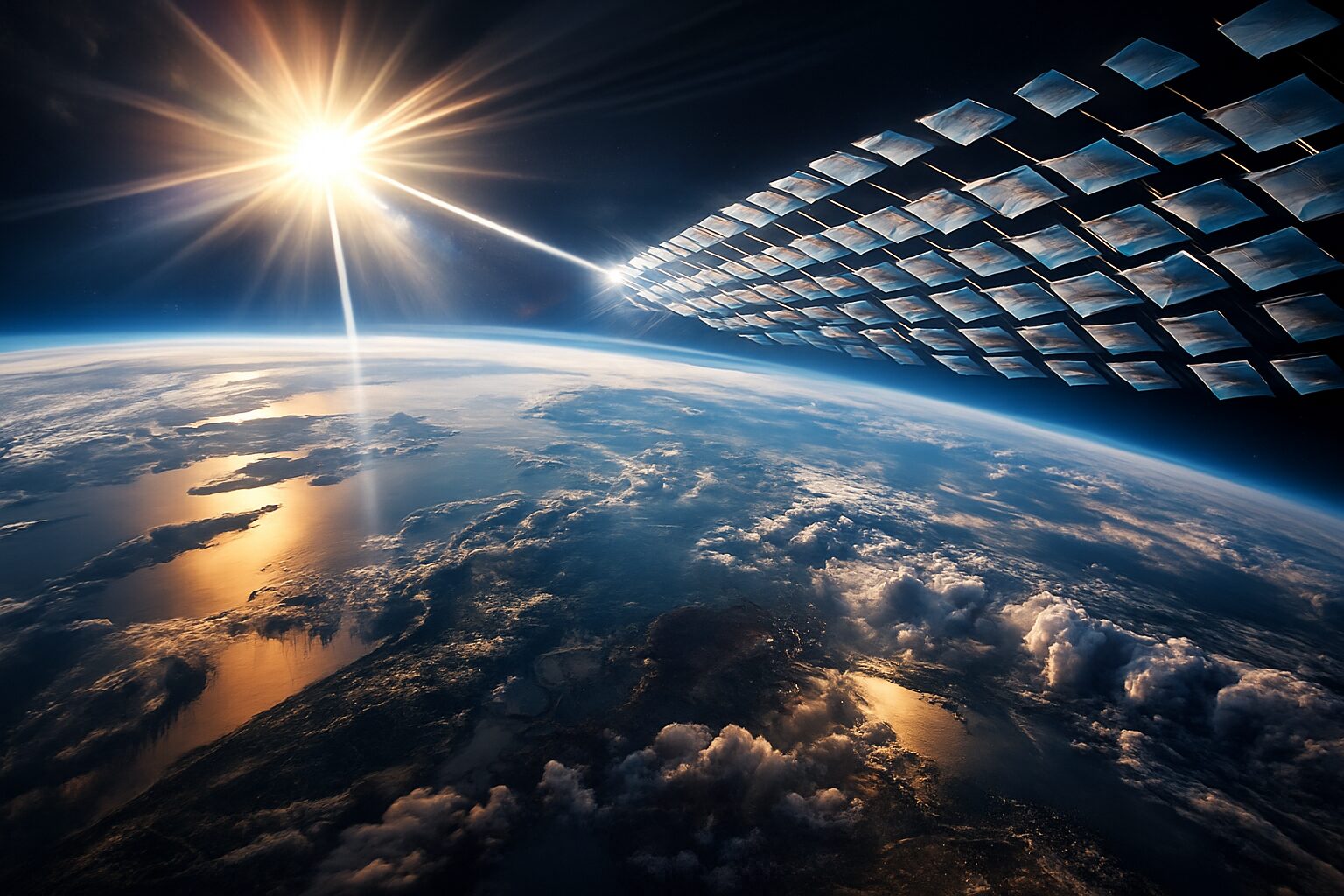
Solar geoengineering, or solar radiation modification, involves using technology to reflect a portion of sunlight back into space. The goal is simple: cool the Earth quickly. But the implications are anything but simple. Solar geoengineering includes a range of experimental and highly controversial techniques aimed at reducing the amount of heat the Earth absorbs. None of these methods address the root cause of climate change—greenhouse gas emissions—but instead act as a temporary “cooling bandage.”
Scientists propose several techniques, including:
• Stratospheric Aerosol Injection (SAI)
Injecting reflective particles—often sulfates—into the stratosphere to mimic the cooling effects of volcanic eruptions like Mount Pinatubo in 1991.
• Marine Cloud Brightening
Spraying sea salt into marine clouds so they become whiter and more reflective.
• Cirrus Cloud Thinning
Thinning high-altitude cirrus clouds, which trap heat, to allow more infrared radiation to escape.
• Space-Based Sunshades
Deploying mirrors or shields in orbit to block a fraction of sunlight.
These ideas are bold, futuristic, and deeply unsettling.
The Leading Scientists Behind the Push to Dim the Sun
Despite global controversy, a small but influential group of researchers is accelerating the study of these techniques, arguing that the climate crisis may soon leave the world with no choice.
Dr. David Keith, a leading figure at the University of Chicago’s Climate Systems Engineering Initiative, Keith has spent decades researching geoengineering, especially SAI. He is known both for his carbon-removal technology and for urging policymakers to consider solar geoengineering as a legitimate climate strategy—even as critics warn it is far too risky.

Daniele Visioni, assistant professor at Cornell University and head of the data team at Reflective, a nonprofit supporting solar geoengineering research.
Kelly Wanser
A key voice at the Marine Cloud Brightening Project, Wanser studies how materials like sea salt could be used to increase cloud reflectivity over oceans.

Gernot Wagner: A Harvard University lecturer who co-directed the Harvard Solar Geoengineering Research Program, one of the most visible and controversial geoengineering initiatives in the world.
Other Scientists and Institutions
Research groups involved in geoengineering studies include
• The NSF National Center for Atmospheric Research (NCAR)
• Princeton University
• Resources for the Future (RFF)
• The Salata Institute for Climate and Sustainability
• NOAA’s Solar Radiation Modification research teams
A 2024 paper assessing evaluation criteria included experts like Simone Tilmes, Karen Rosenlof, and others—showing just how wide this scientific network has become.
How Stratospheric Aerosol Injection (SAI) Works
SAI is the most heavily researched—and most polarizing—technique.
It involves:
- Releasing fine sulfate particles into the stratosphere (10–17 km above Earth).
- Using high-altitude aircraft, balloons, or artillery to disperse the particles.
- Allowing the particles to scatter sunlight, reducing the amount that reaches the Earth’s surface.
The science is inspired by volcanoes; Pinatubo’s 1991 eruption cooled the planet by about 0.6°C for nearly two years.
But unlike a volcano, SAI would be deliberate, continuous, and controlled by human decisions—a breathtaking level of planetary manipulation.
Potential Benefits (According to Supporters)
- Rapid global cooling
Models show SAI could quickly reduce temperatures, potentially slowing ice loss and extreme heat. - Cost-effectiveness
Some researchers argue SAI is far cheaper than other climate interventions. - Temporary relief from warming
Could provide a cooling “buffer” while nations cut emissions (assuming they actually do).
The Alarming Risks and Unknowns
1. Ozone Depletion
Sulfur-based aerosols could slow or reverse ozone layer recovery, increasing UV radiation globally.
2. Extreme Weather Changes
SAI could disrupt rainfall patterns, including monsoons—directly affecting food and water supplies.
3. Damage to Ecosystems and Agriculture
Changes in sunlight intensity and precipitation could severely affect crop yields, ecosystems, and marine life.
4. Stratospheric Warming
Ironically, the stratosphere itself could warm, triggering new climate feedbacks scientists cannot yet predict.
5. Temperature Rebound Threat
If SAI is suddenly stopped, the Earth could experience rapid, dangerous warming, potentially triggering climate chaos.
6. A False Solution
SAI does nothing to remove the greenhouse gases causing climate change.
It simply masks the symptoms—temporarily.
The Core Problem: You Cannot Play With the Sun
The entire concept rests on a fundamental gamble:
that humans can adjust the Sun’s energy without breaking the planet.
The more researchers push forward, the more the global public must ask:
Who gets to decide how much sunlight reaches Earth?
What happens if something goes wrong?
And why experiment with the Sun instead of cutting emissions?
For small nations like Jamaica—already battered by monster storms like Hurricane Melissa—any tampering with global rainfall or weather systems could make us even more vulnerable.
Solar geoengineering represents one of the most audacious scientific pursuits in human history. Supporters call it a necessary Plan B. Critics call it reckless, arrogant, and potentially catastrophic.
What everyone agrees on is this:
dimming the sun will not fix climate change.
It will not reduce carbon.
It will not stop pollution.
It will not restore balance to the Earth’s natural systems.
Without reducing emissions, humanity is simply trading one crisis for another—one we may not survive.
These approaches sound futuristic—but they also sound risky.
1. Unknown Side Effects
The Earth’s climate system is incredibly complex. Even small changes in sunlight could trigger unpredictable shifts in rainfall, drought patterns, storm cycles, and monsoons—especially in vulnerable regions like the Caribbean.
2. Uneven Cooling
Geoengineering would not cool the world evenly. Some regions could cool too much while others continue warming, leading to global tensions and dangerous environmental imbalances.
3. Ozone Layer Threats
Certain proposed particles could damage the ozone layer—the Earth’s natural sunscreen—undoing decades of global environmental progress.
4. A Dangerous Temperature Rebound
If aerosol injections began and were suddenly stopped, the planet could experience a rapid and extreme spike in temperature—far worse than current warming projections.
5. It Doesn’t Address the Real Problem
Solar geoengineering doesn’t reduce carbon emissions or remove greenhouse gases from the atmosphere. It only masks symptoms, leaving the true cause untouched.
6. A Distraction From Real Solutions
Climate advocates fear governments and industries may rely on geoengineering as an excuse to delay urgent emissions cuts.
Why Many Are Alarmed: You Cannot Play With the Sun
The Sun is not just another variable to tweak—it powers agriculture, regulates weather, sustains ecosystems, and keeps the planet habitable. Altering the Sun’s light is altering life itself.
Dimming the Sun could trigger catastrophic damages that we cannot anticipate or reverse. Once deployed, it may be impossible to stop without severe consequences.
Small island nations like Jamaica—already facing rising seas, extreme heat, and monster hurricanes like Melissa—stand to be among the most affected by any global climate experiment. Tampering with the Sun could further destabilize rainfall, agriculture, fisheries, and the Caribbean climate cycle.
The question must be asked:
Should humanity gamble with the very star that keeps us alive?
Solar geoengineering remains speculative, controversial, and fraught with risks. While the climate emergency demands bold action, dimming the Sun may be the most dangerous proposal ever placed on the table.
Real solutions still lie in cutting emissions, protecting ecosystems, and strengthening climate resilience—not manipulating the light of the star that sustains life on Earth.
Critics argue that the rush toward solar geoengineering is not just about saving the planet—it’s also about money, power, and control. A growing coalition of skeptics warns that billionaires and private tech interests see geoengineering as the next trillion-dollar industry. From funding university research to launching privately backed climate-tech startups, wealthy investors stand to profit from patents, delivery systems, atmospheric monitoring technology, and potential government contracts.
Their fear is simple: that a handful of ultra-rich actors could push the world into a risky planetary experiment because it benefits their financial portfolios—even if the consequences are unknown. Opponents point out that blocking the sun could destabilize weather, agriculture, and ecosystems, yet there is currently no global democratic process to regulate who gets to engineer the sky.
For many people, this raises a troubling question: Is solar geoengineering really about climate protection—or is it a high-stakes business opportunity disguised as science?